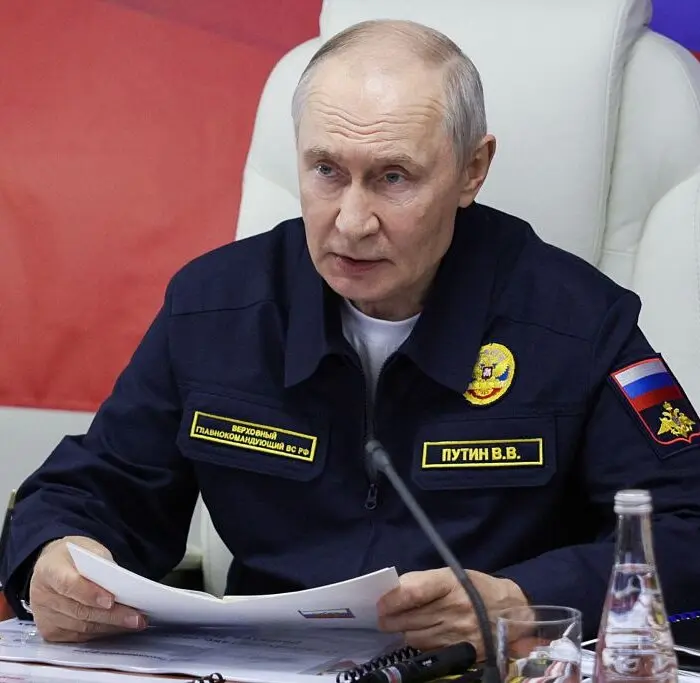
Russian President Vladimir Putin on Aug. 13 made his first visit to Iturup, one of the southern Kuril Islands in the Pacific, drawing strong condemnation from Tokyo.
His visit to the islands, an archipelago stretching northeast from Hokkaido, Japan, to Russia’s Kamchatka Peninsula, came one day after North Korea carried out major naval drills and fired a missile. Iturup is one of the disputed island territories controlled by Russia since the Soviet Union occupied them in 1945, and it is still claimed by Tokyo.
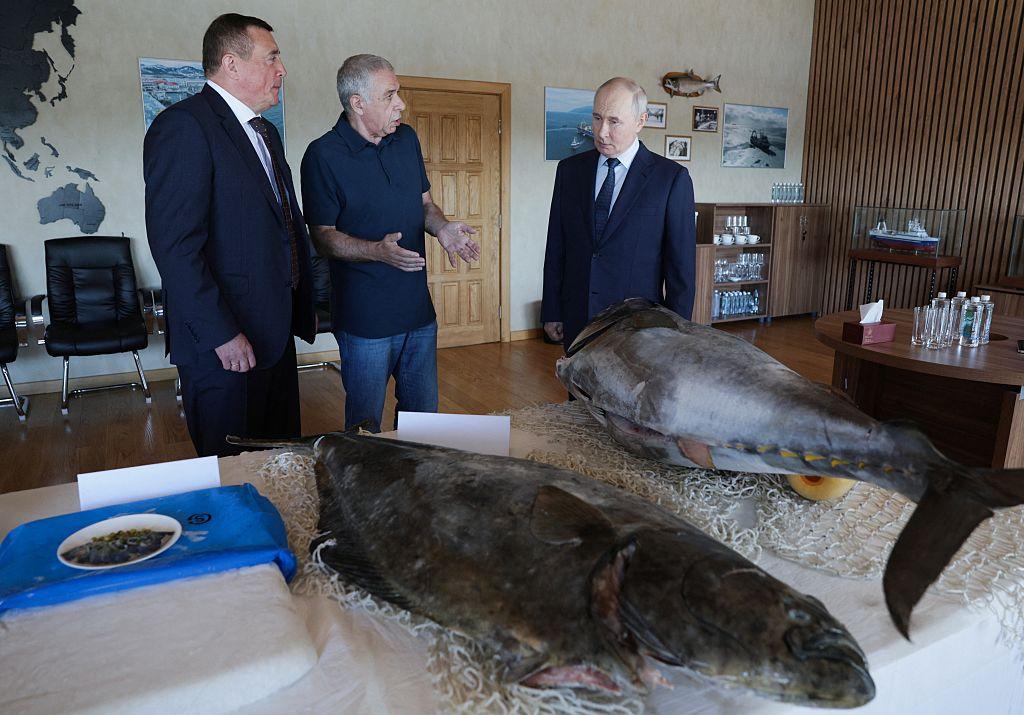
Putin visited a fish plant, a hospital and a school on the island. He also briefly spoke to local residents and met with the governor of Russia’s Sakhalin region, Valery Limarenko.
“What lovely weather you have there, just like a resort,” Putin told the locals.
“We thought you arranged this,” a woman joked in response.
Moscow and Tokyo did not sign a formal peace treaty after World War II, and the status of the islands, which Japan refers to as the Northern Territories, remains unresolved.
Thousands of Japanese residents fled or were expelled from the islands in the 1940s and replaced by Soviet settlers.
Putin Visit ‘Unacceptable’
Japanese Prime Minister Sanae Takaichi told reporters that Putin’s visit to Iturup “hurts the feelings of the Japanese people and is absolutely unacceptable.”
“The Northern Territories are an inherent part of Japan’s territory, both historically and under international law,” she added.
Takaichi said in an Aug. 13 post on X that she strongly protested the visit.
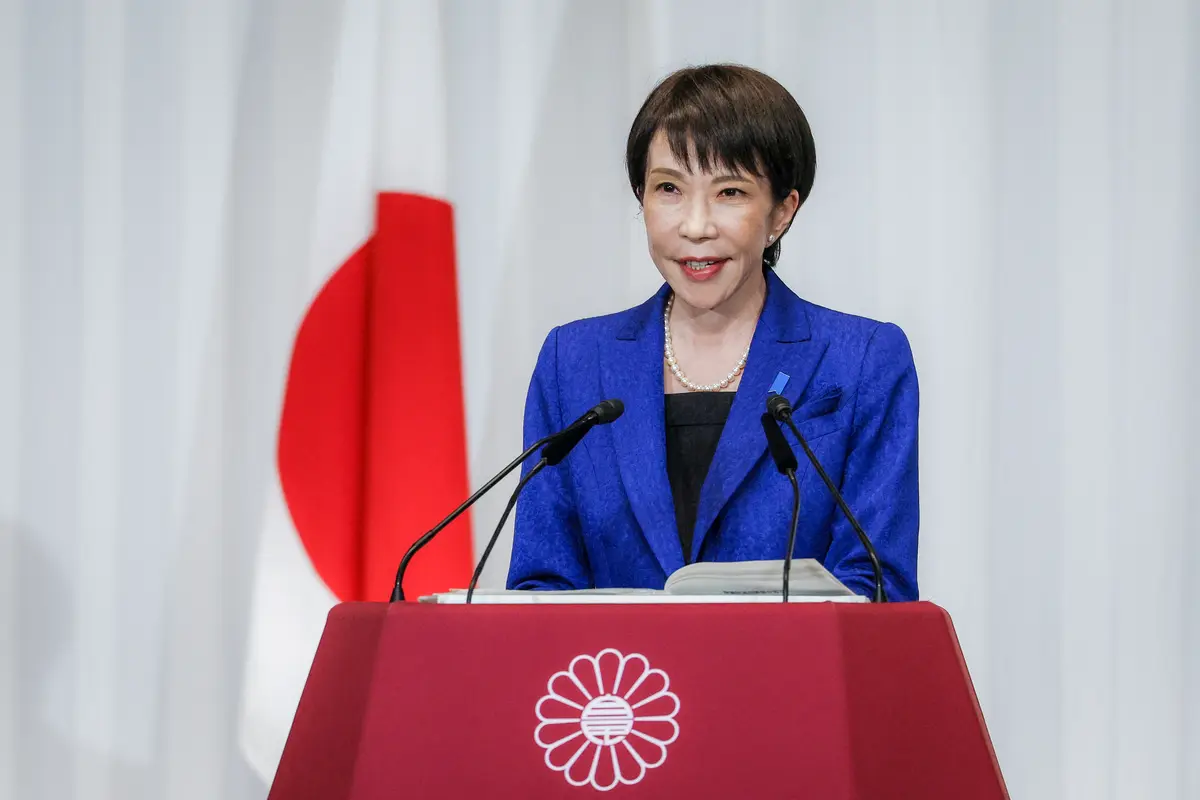
“Since President Putin stated in January 2024 that he would definitely visit the Northern Territories, the Japanese government has repeatedly urged the Russian side not to allow such a visit by the president to take place,” she said.
“Even amid the difficult state of Japan-Russia relations following Russia’s invasion of Ukraine, Japan has made every possible effort. However, we must conclude that this visit will further harden sentiment toward Russia within Japan and make it more difficult to restore relations over the medium to long term.”
Medvedev Says Islands Remain ‘Russian Land’
Russian Prime Minister Dmitry Medvedev responded to Takaichi’s comments in an Aug. 13 post on X.
“Japan’s PM Takaichi can prattle on all she likes about the Kuril Islands being ‘historically Japanese,’ but this chatter won’t change a thing,” Medvedev said. “They were, are, and will remain Russian land. Anyone who fails to understand this will face the monstrous consequences of their delusion.”
During a visit to see Russia’s Pacific Fleet on Sakhalin island on Aug. 12, Putin said the status of the Kuril Islands as Russian “is enshrined in international documents as a reality that arose following the outcome of World War II.”
“But even here, Russia was prepared to seek a solution with the goal of concluding a peace treaty with Japan.”
Japanese Foreign Minister Toshimitsu Motegi said he had summoned the Russian Ambassador Nikolay Nozdrev to his office in Tokyo on Aug. 13, and lodged a strong protest, requesting he “promptly report the message back to Moscow.”
The Russian Embassy in Tokyo called the Japanese response “unfounded” and said Nozdrev had explained that “the southern Kuril Islands are an integral part of the Russian Federation and became part of it following World War II on legitimate international grounds.”
At the Yalta Conference in February 1945, U.S. President Franklin D. Roosevelt, British Prime Minister Winston Churchill, and Soviet leader Joseph Stalin agreed that, in return for the Soviet Union’s entry into the war against Japan, the Kuril Islands would be handed over to the Soviet Union.
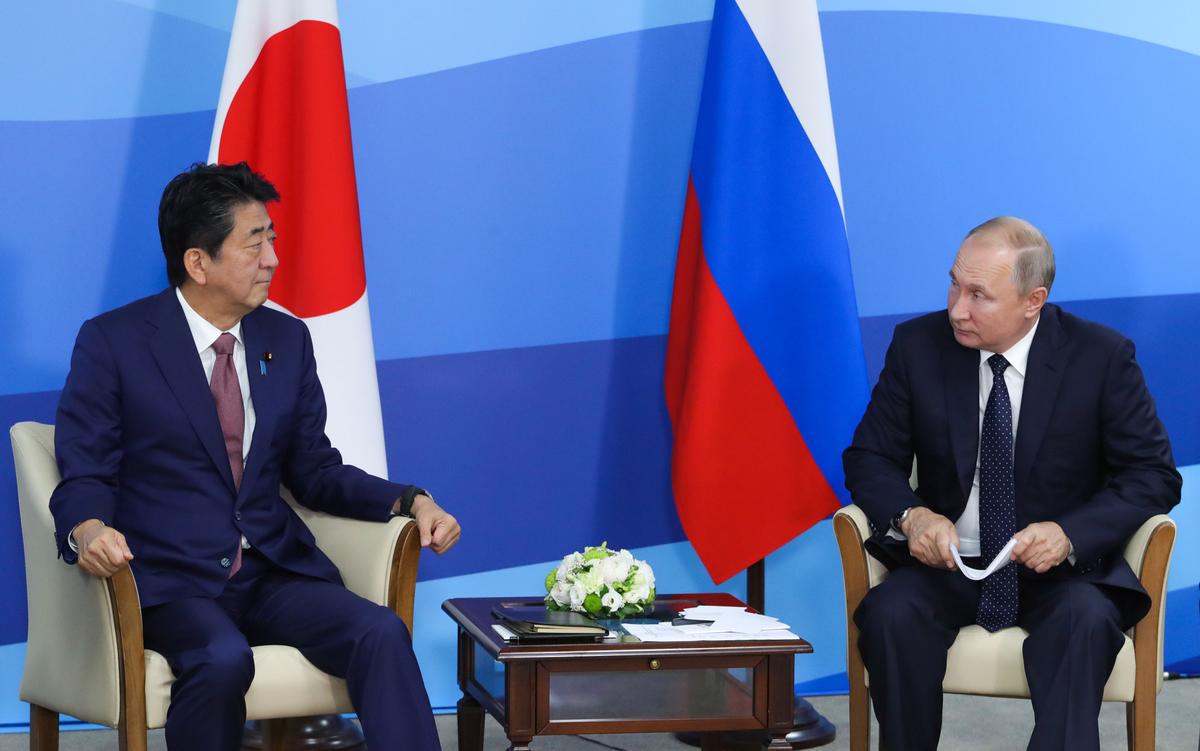
In 2018, Japanese Prime Minister Shinzo Abe held talks with Putin about the Kuril Islands.
“The Japanese and the Russians will be able to reap the fruits of the joint work on the islands,” Abe said at the time. “If we cooperate, we can achieve great results that bring mutual benefit.”
Russia eventually withdrew from the negotiations, and Abe was assassinated on July 8, 2022.
On Aug. 13, Takaichi said Japan had kept “channels for dialogue” open over the Kuril Islands. “As for our response going forward, the government will carefully consider appropriate measures,” she added.
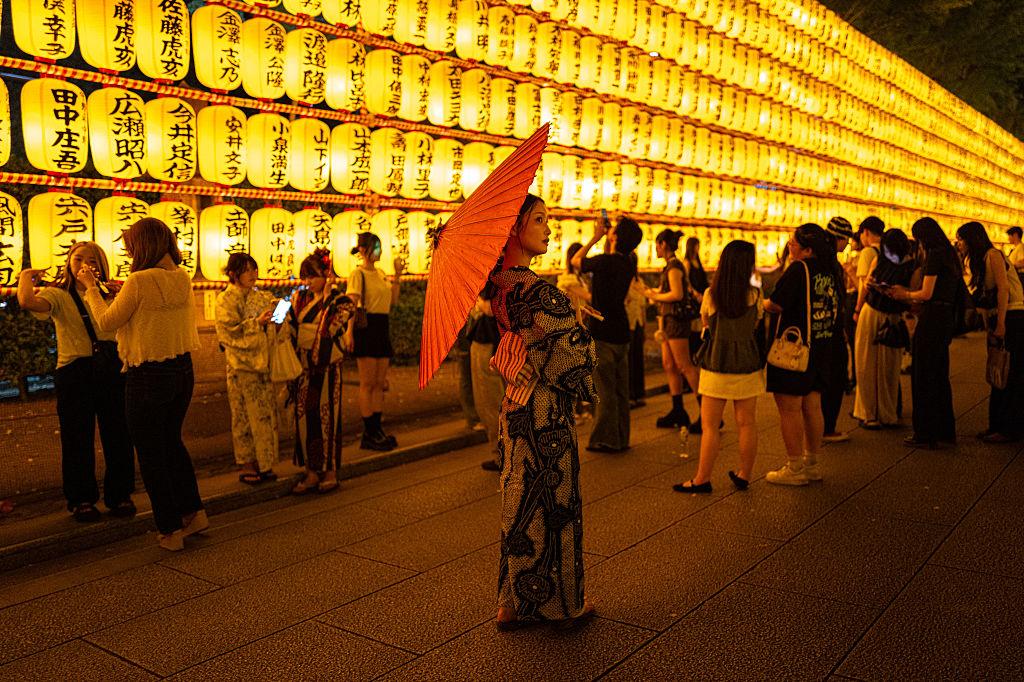
She is a regular visitor to the Yasukuni Shrine in Tokyo, which, according to Shinto belief, houses the spirits of 2.5 million people who died in service of Japan in war, including several executed war criminals.
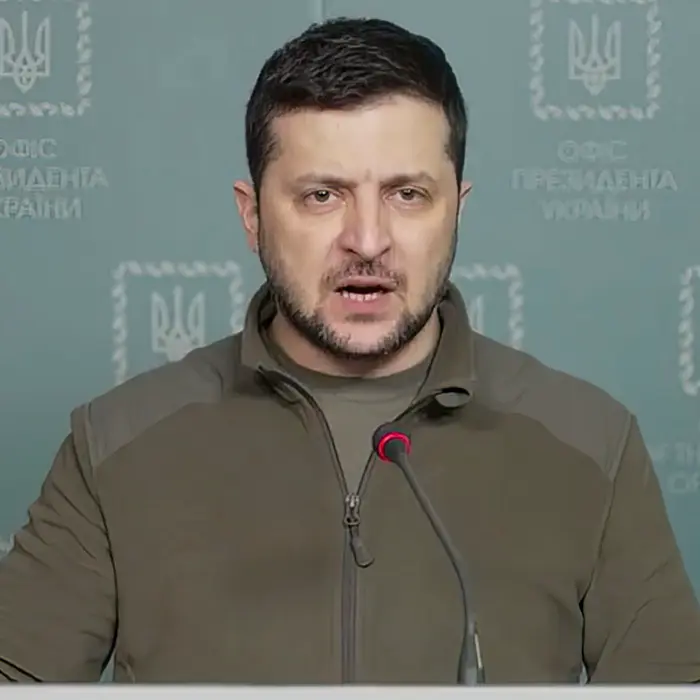
“Ukraine confirmed its respect for the sovereignty and territorial integrity of Japan, including its Northern territories, which are still under Russian occupation,” Zelenskyy said at the time. “We must de-occupy all the lands that the Russian occupiers are trying to keep for themselves.”