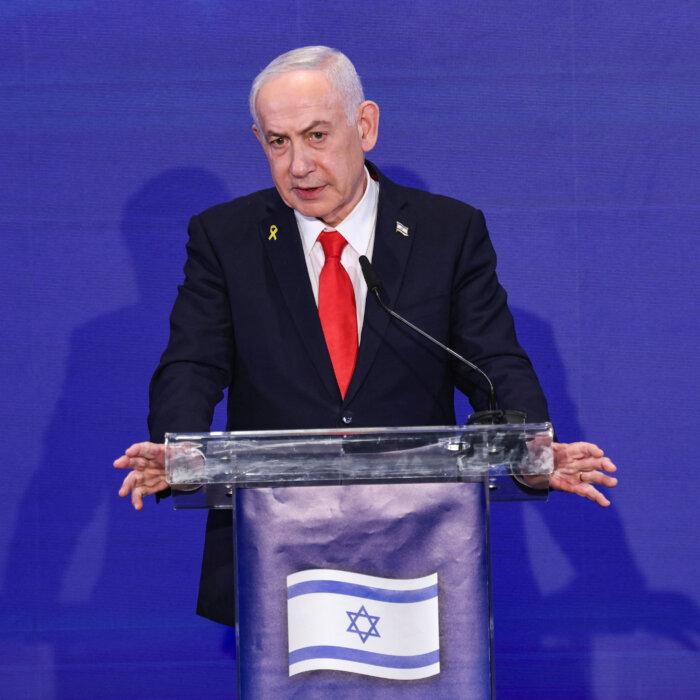
Speaking at a U.N. Security Council emergency meeting, Israeli Deputy U.N. Ambassador Jonathan Miller said Israel’s relationship with Somaliland dated back decades and was grounded in international law.
“Israel’s engagement with Somaliland has a long and consistent record,” Miller said, noting that when Somaliland declared independence in 1960, Israel was among 35 countries to recognize it.
Miller said Somaliland civilians were subjected to mass atrocities in the late 1980s, referring to what is known as the Isaaq genocide.
“Israel’s recognition of Somaliland is neither provocative nor novel,” he said.
“It is a lawful, principled acknowledgement of a long-established reality, consistent with international law and aligned with the values this Council is meant to uphold.”
Somaliland’s president, Abdirahman Mohamed Abdullahi, welcomed Israel’s recognition in a statement released following the announcement, saying Somaliland would seek to join the Abraham Accords.
The Abraham Accords are a series of U.S.-mediated bilateral agreements to normalize relations between Israel and some neighboring countries.
US Position
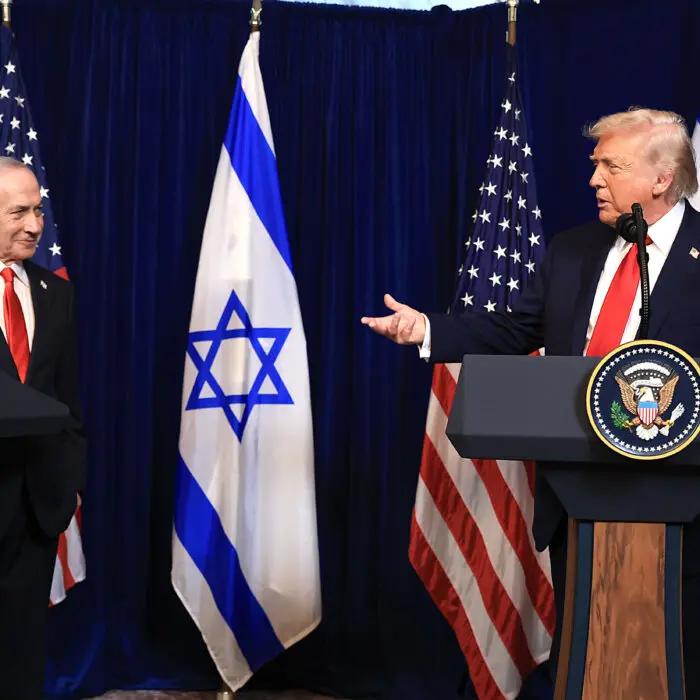
Israel’s recognition came as U.S. President Donald Trump continues to promote a peace framework for Gaza.The United States said it had not changed its policy on Somaliland, while defending Israel’s right to conduct diplomatic relations.
However, she added that Washington was not following Israel’s lead.
“We have no announcement to make regarding U.S. recognition of Somaliland. And there has been no change in American policy,” Bruce said.
She also criticized the focus of the emergency meeting.
“Colleagues, meetings such as today’s distract from serious work to address issues of international peace and security, including in both the Middle East and the Horn of Africa,” Bruce said.
She also pointed to what she described as inconsistencies in the Security Council’s responses, noting that earlier in the year, several countries recognized a Palestinian state without triggering an emergency meeting.
Arab and African States Condemn Move
The League of Arab States criticized Israel’s decision, accusing it of seeking to legitimize secession and advance military and political aims.The League’s representative told the Security Council on Dec. 29 that international reactions reflected “unanimous rejection and condemnation” of Israel’s actions.
“Israel aims to use this as pretext for illegal presence on Arab-African Somali soil to advance well known political, security, and economic agendas that are unacceptable and condemned,” he said.
“These actions flagrantly violate the United Nations Charter,” the representative added, warning that the move could facilitate the forced displacement of Palestinians and the exploitation of northern Somali ports for military bases.
The Somali delegate, speaking on behalf of Algeria, Guyana, and Sierra Leone, condemned Israel’s recognition as a “flagrant assault” on Somalia’s unity and territorial integrity.
Any such arrangements were “null and void,” he said, calling them a direct violation of the U.N. Charter, African Union principles, and international law. He urged member states to condemn the move “unequivocally.”
Delegates from Djibouti and Turkey also expressed their concern over Israel’s recognition of Somaliland.
Djibouti’s delegate said Israel’s decision violated established international norms and the founding texts of the African Union. Turkey’s representative said Israel’s actions posed a “direct threat” to an Arab League member and risked destabilizing the Horn of Africa.