Iraqi Prime Minister Ali al-Zaidi will travel to Washington on Monday at the head of a high-level delegation, government spokesman Haider al-Aboudi said Sunday.
Al-Aboudi said memoranda of understanding are expected to be signed with the United States in the oil and natural gas sectors to increase Iraq’s production capacity, according to Iraq’s official news agency, the Iraqi News Agency.
Al-Aboudi said the main theme of the visit will be the economy.
Iraq is one of the world’s largest oil producers and holds the fifth-largest proven crude oil reserves. While the United States imports Iraqi crude oil, those imports account for only a small share of U.S. oil supplies—generally around 150,000 to 250,000 barrels per day in recent years, depending on market conditions, according to the U.S. Energy Information Administration.
Iraq is a major supplier to global energy markets, and U.S. companies have sought expanded opportunities to develop the country’s oil and natural gas resources.
The United States and Iraq cooperate under the 2008 Strategic Framework Agreement, which provides a framework for cooperation in areas including economic development, energy, security, and cultural exchanges.

During a visit to Baghdad in June, U.S. special presidential envoy Tom Barrack met with al-Zaidi to reaffirm the two countries’ commitment to strengthening their strategic partnership.
In a joint statement issued after the meeting, the two sides said they discussed expanding cooperation in economic development, energy, security, and regional stability while emphasizing the importance of increasing trade and investment between the United States and Iraq.
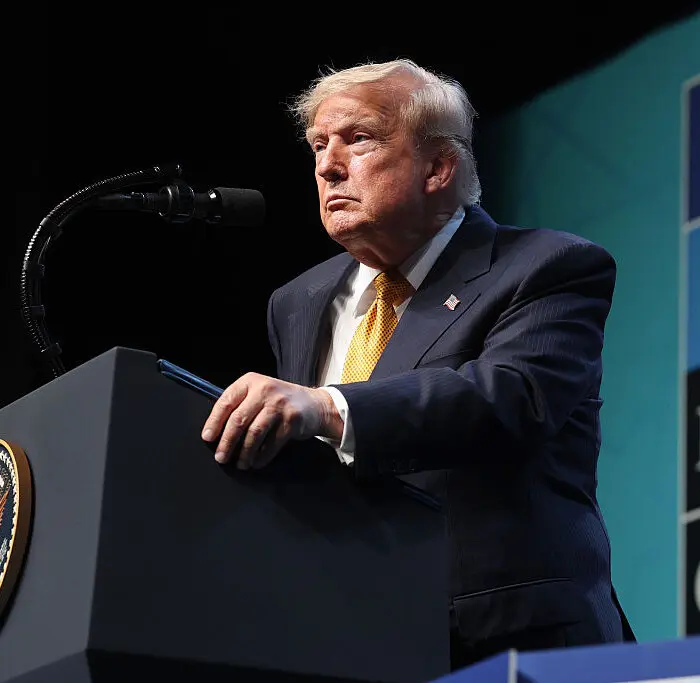
The statement said both governments are committed to advancing practical cooperation that supports Iraq’s long-term stability and economic growth. Barrack also conveyed that President Donald Trump looked forward to welcoming al-Zaidi to Washington in mid-July, while the Iraqi prime minister reaffirmed his government’s commitment to continued coordination with the United States on issues of mutual interest.
U.S. companies have historically played major roles in Iraq’s oil, natural gas, and electricity sectors. Honeywell worked with Iraq’s Ministry of Oil on the Ar Ratawi gas project to capture and process domestic gas for Iraqi energy use. General Electric partnered with the Ministry of Electricity on power plant upgrades, grid improvements, and regional interconnections, while Stellar Energy supported technology intended to improve turbine efficiency.
Baker Hughes collaborated with the Oil Ministry on converting flared gas into electricity and supplying oil-field equipment and services. Chevron also pursued an exploration and production agreement in Dhi Qar Province.
The United States has been reducing the number of troops in Iraq since September 2024, when there were about 2,500 troops as part of Operation Inherent Resolve, according to the U.S. Department of War.