

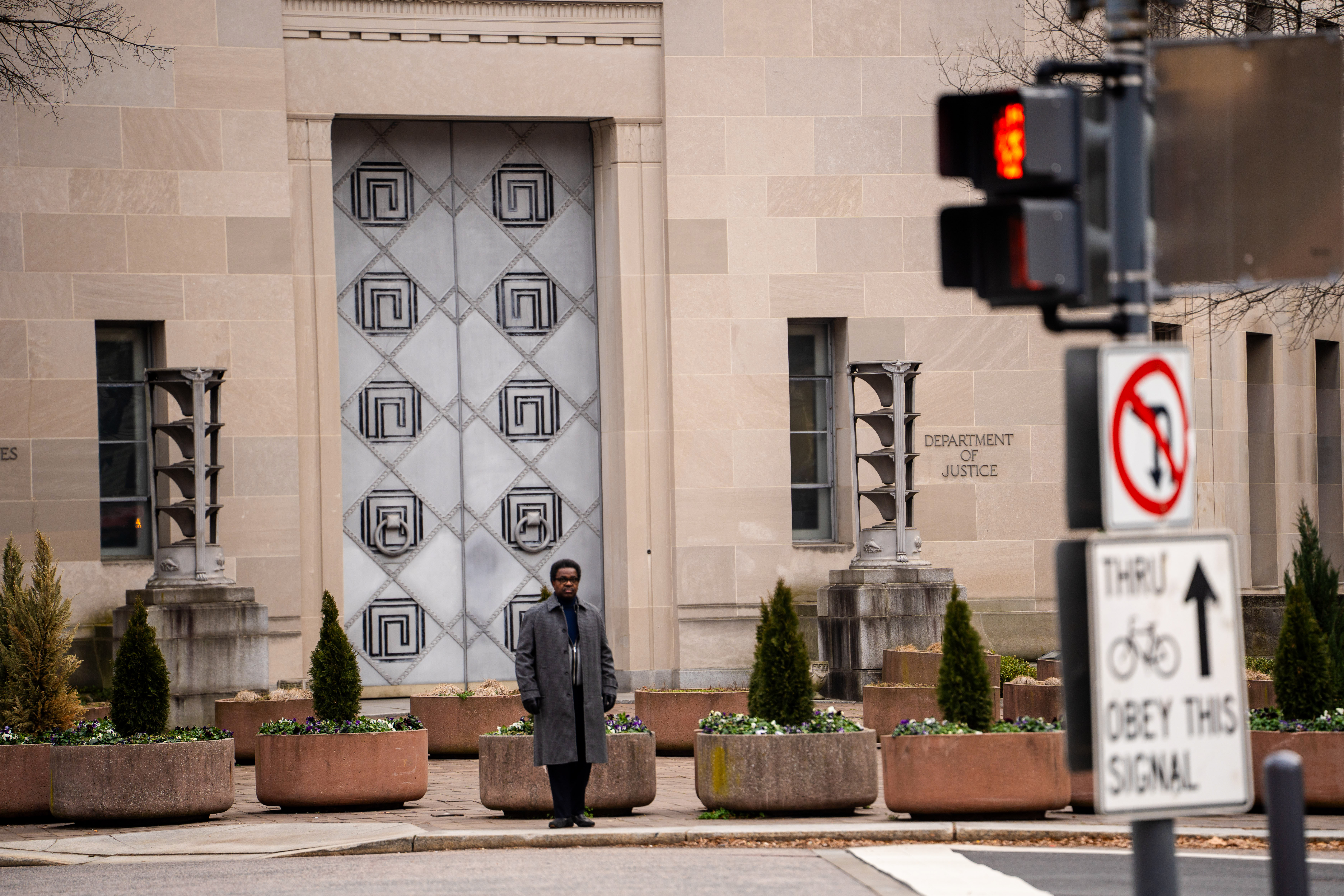
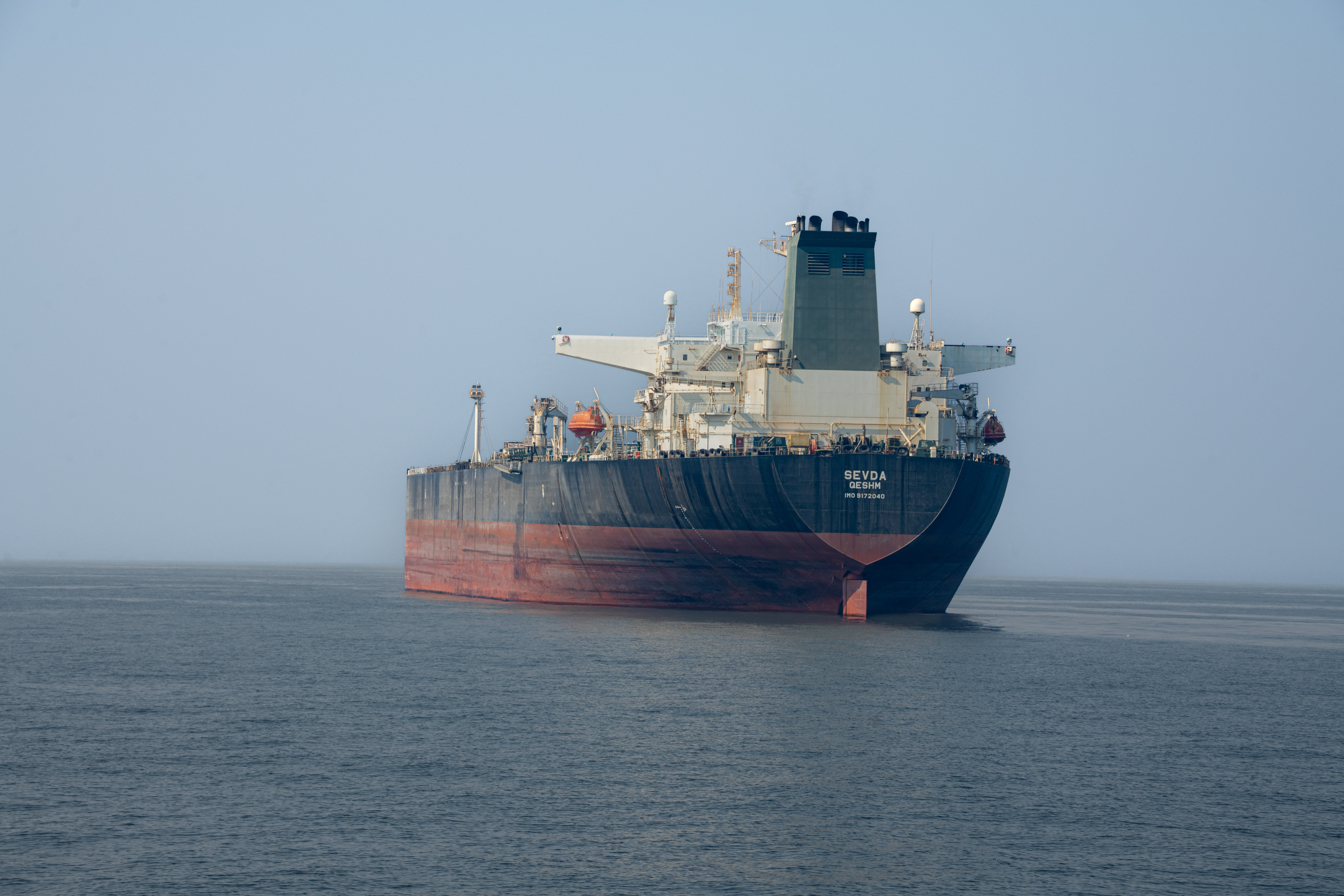
The Department of Justice (DOJ) filed two lawsuits on March 6 in federal court, seeking forfeiture of more than $15.3 million that was allegedly used to finance the illicit distribution of sanctioned Iranian oil.
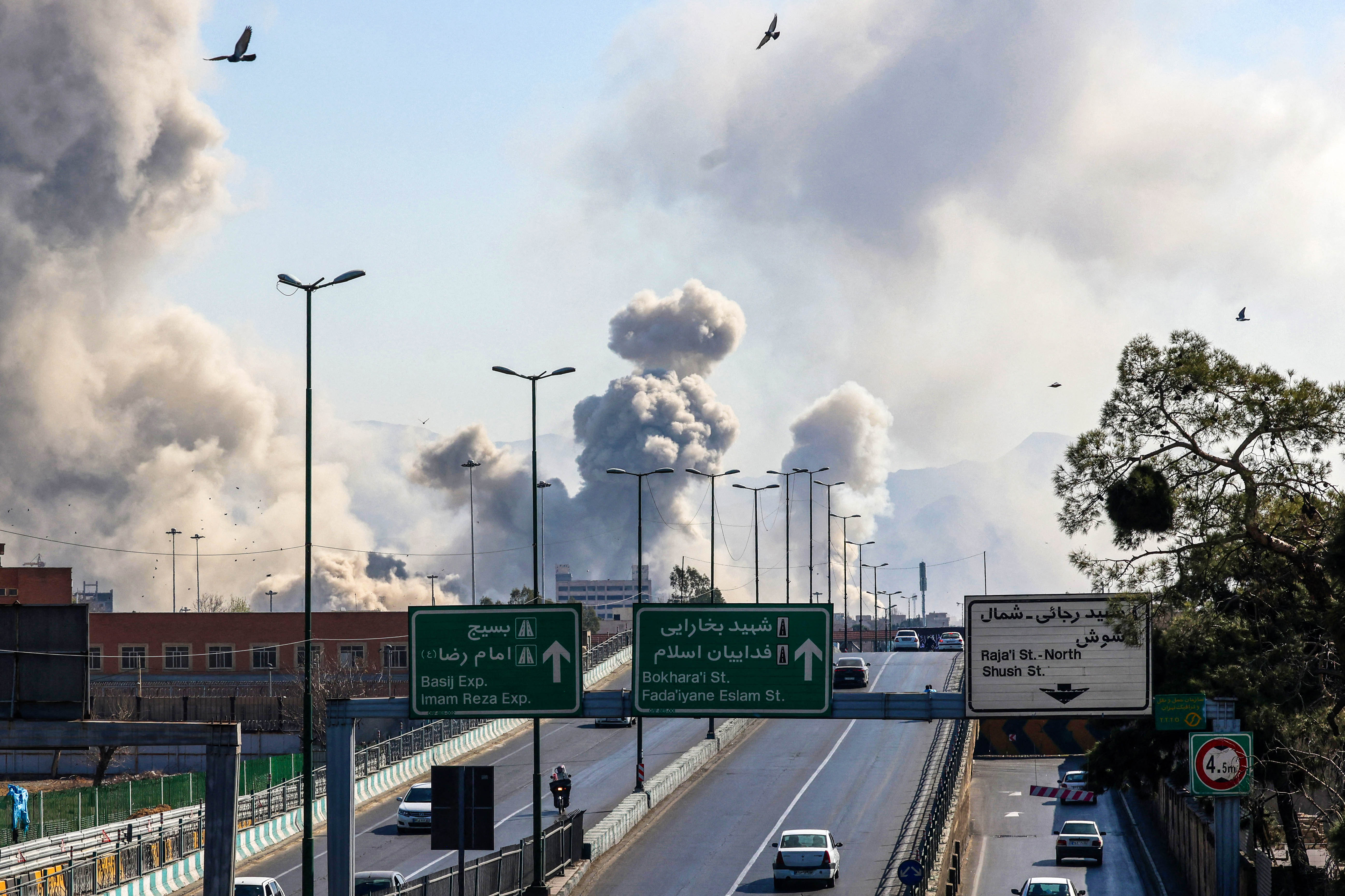
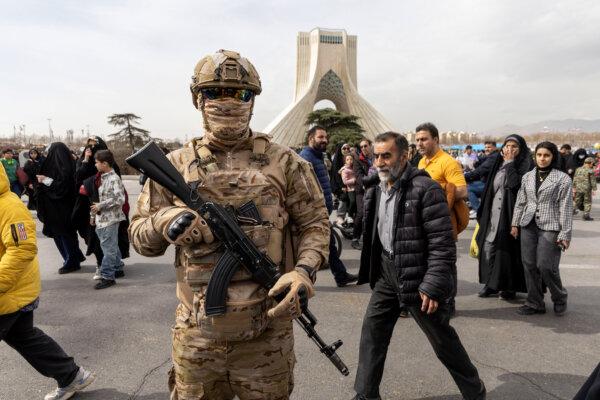
The lawsuits come after the United States and Israel launched coordinated airstrikes against Iran on Feb. 28 that led to the death of Iran’s supreme leader, Ayatollah Ali Khamenei. The military effort is ongoing.
The new legal complaints filed in federal court in the nation’s capital allege that Iranian oil magnate Mohammad Hossein Shamkhani has run a network of companies and individuals that has sold and shipped Iranian oil and other commodities in violation of U.S. sanctions.

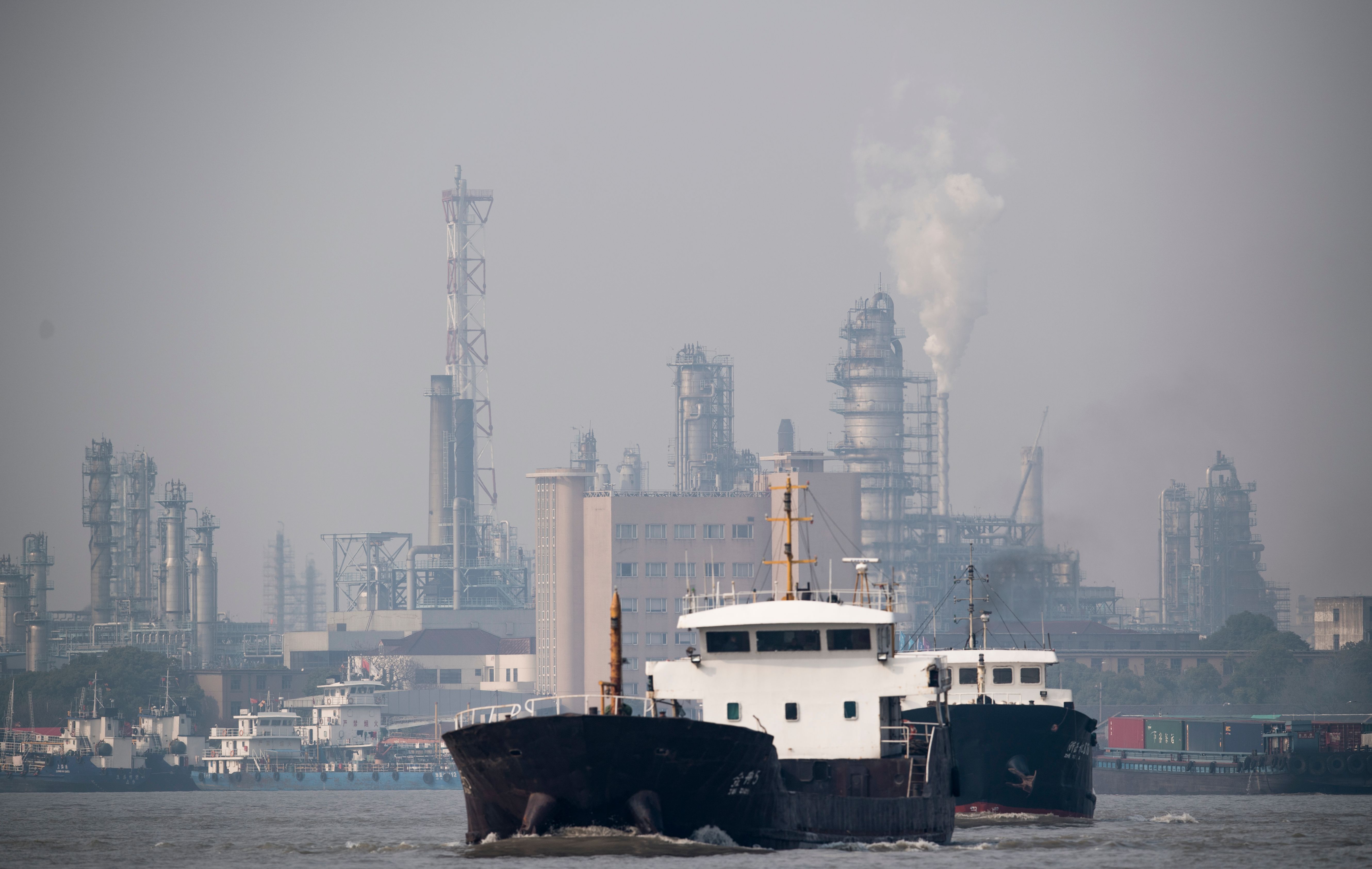
The Chinese Communist Party is slashing exports of oil products and other materials in what insiders describe as akin to “wartime measures” and potentially providing indirect support to Iran.
A source in China’s foreign trade sector familiar with import-export policy told the Chinese edition of The Epoch Times on March 6, using the pseudonym Huang Juguang out of fear of reprisal, that amid rising tensions in the Middle East, Beijing has ordered relevant domestic enterprises to tighten export controls on strategic materials, including tactical drones, rare-earth minerals, and refined petroleum products.
According to Huang, some technology companies and trading firms have already received verbal notices requiring additional reviews of export contracts and stricter approval procedures for the ones involving “sensitive regions.”

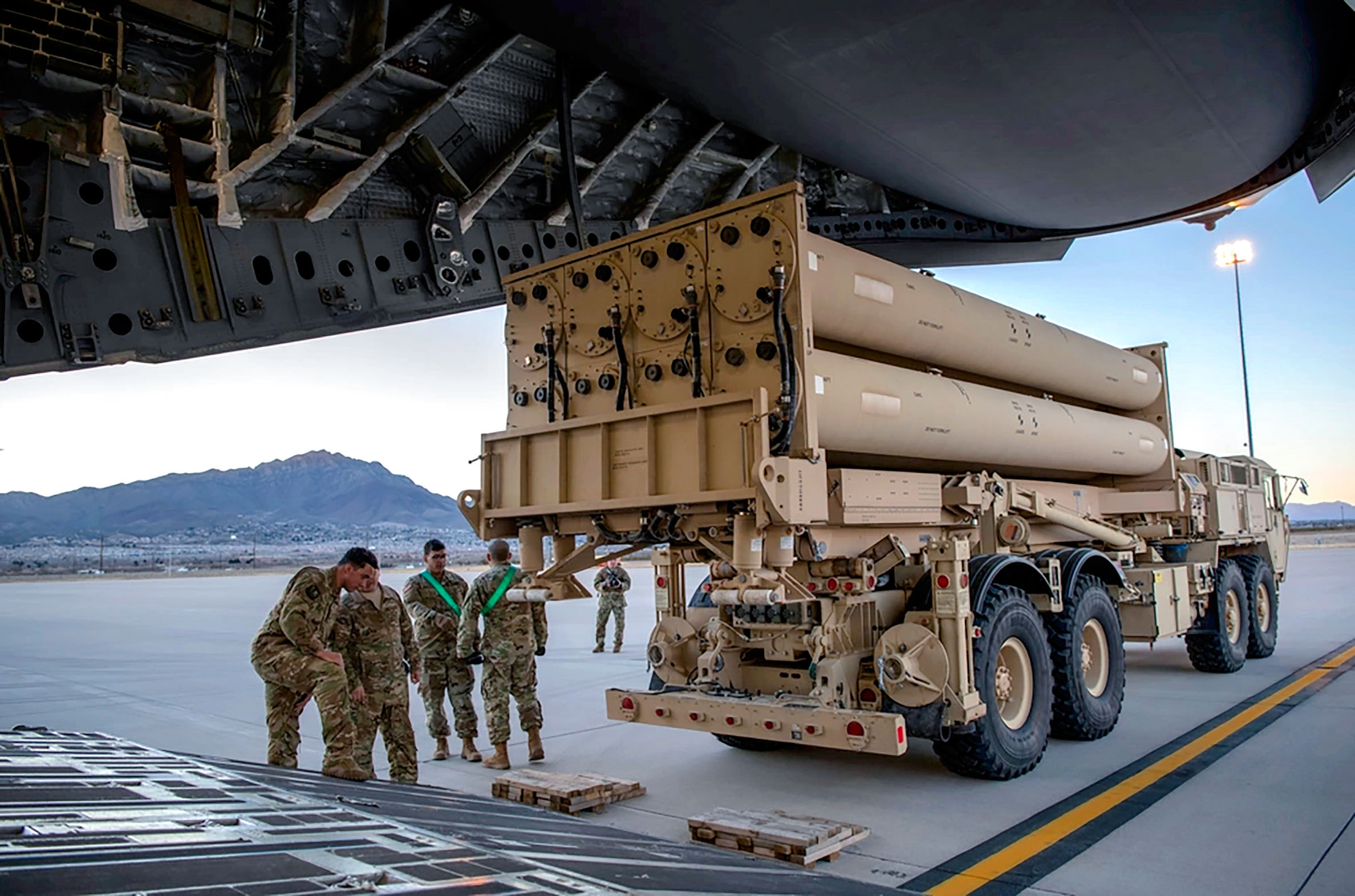
President Donald Trump met with executives of the nation’s largest defense contractors on Friday in the White House and said they agreed to quadruple production of “exquisite weaponry … as rapidly as possible.”
“Expansion began three months prior to the meeting, and plants and production of many of these weapons are already under way,” Trump said.


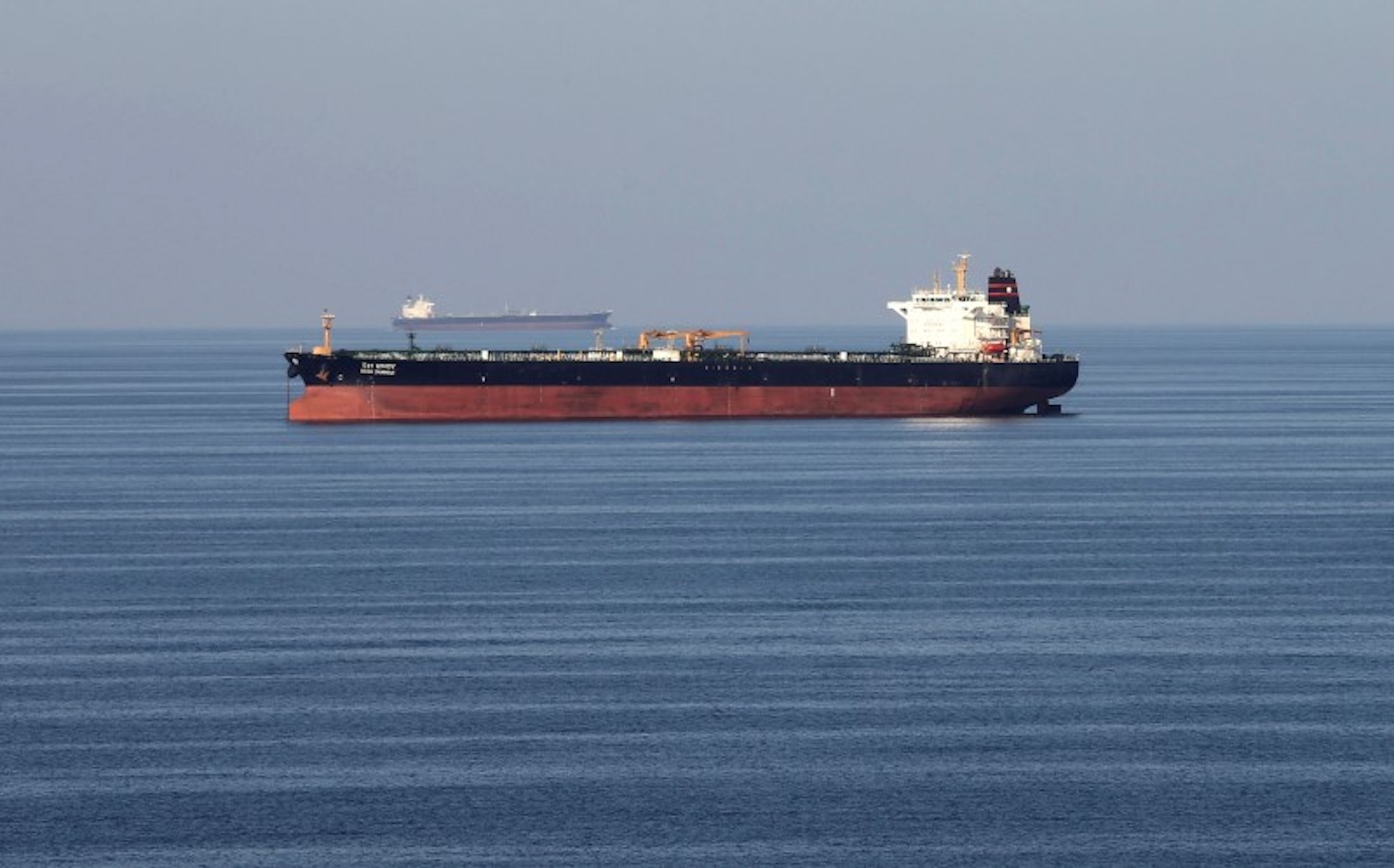
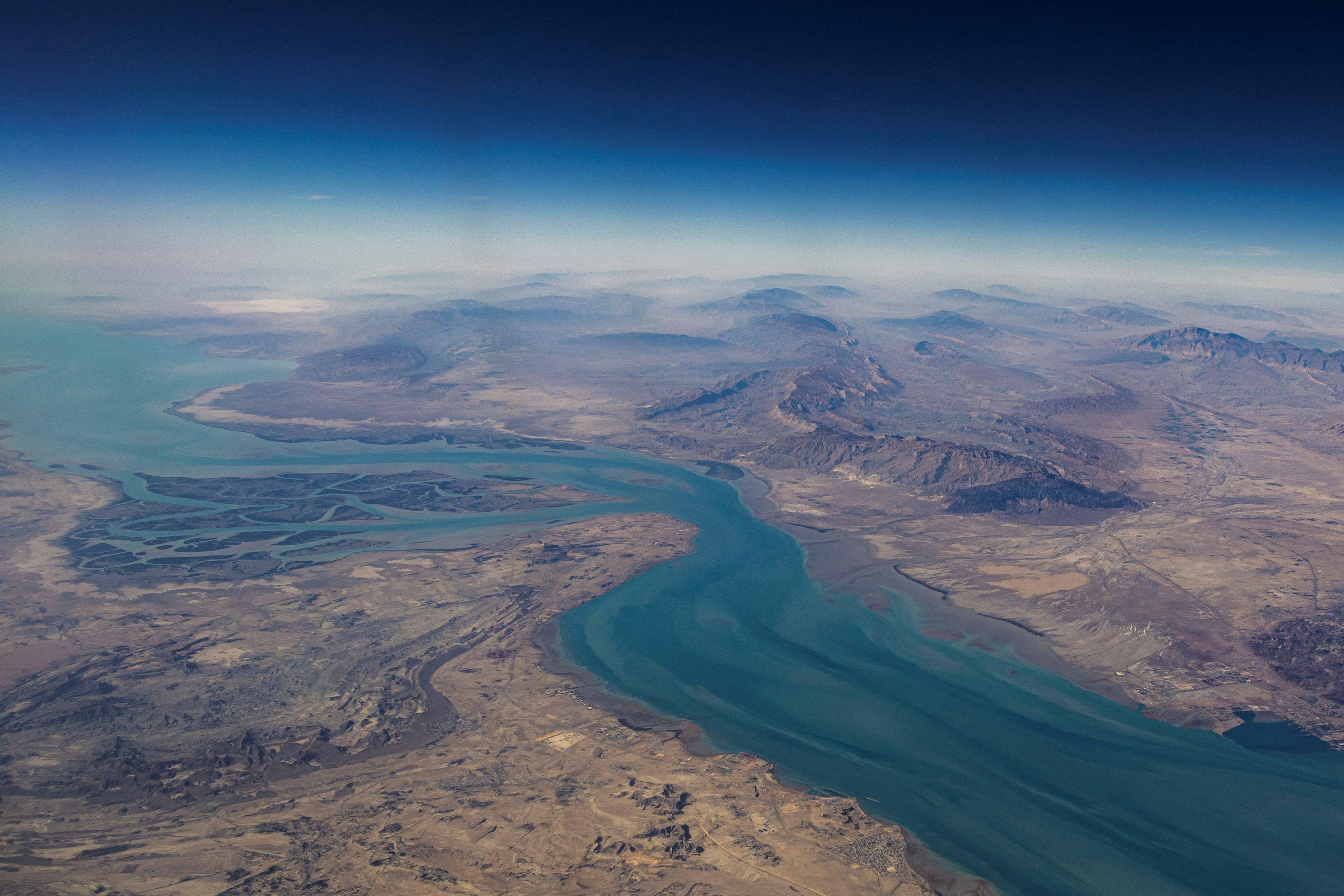
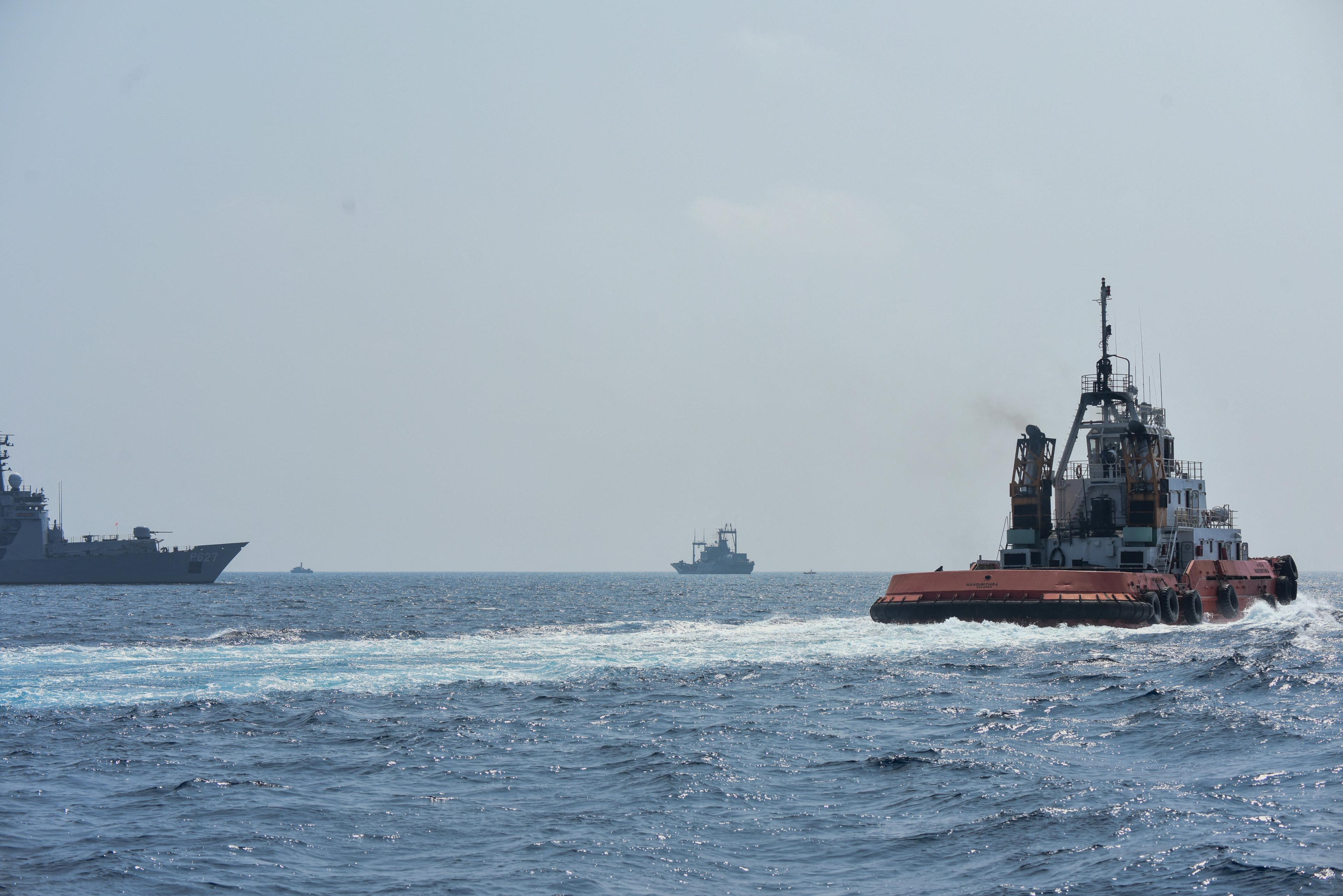
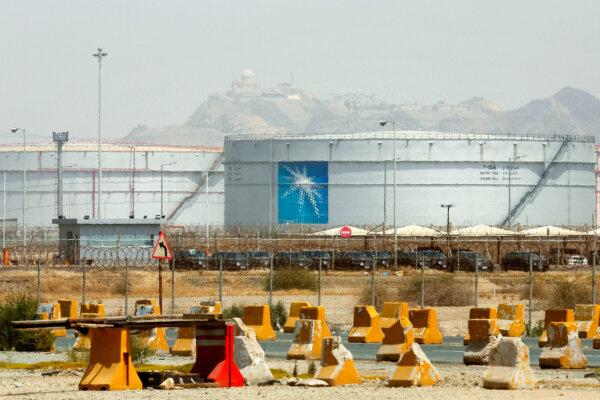
The Trump administration created a $20 billion federal reinsurance program for commercial oil and gas vessels to restore tanker traffic in the Strait of Hormuz.
White House officials have been employing various measures to stabilize global energy markets as oil prices broke $90 per barrel at the end of the trading week amid the conflict in Iran.


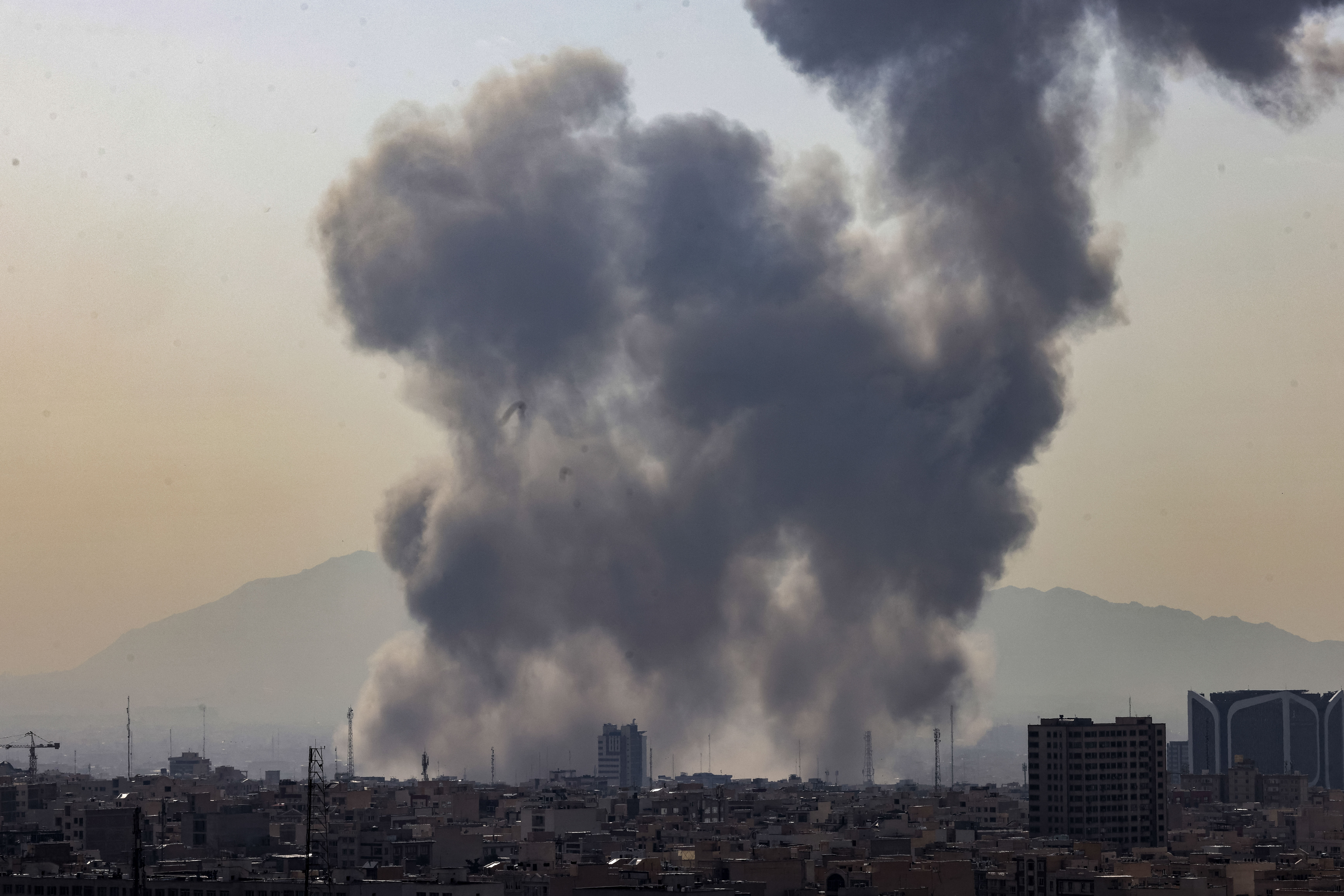
Israel has said that after the destruction of three Iranian nuclear sites by the United States and Israel during the Twelve Day War in June 2025, Iran continued clandestine efforts to restore its nuclear weapons program.
On March 3, the Israel Defense Forces (IDF) said that it “struck and destroyed the secret nuclear headquarters in Minzadehei, located partly underground in the city of Tehran. A team of nuclear scientists was operating covertly at this headquarters.”
The Israeli military added that during the June 2025 strikes, “the Iranian regime transferred some of its capabilities to secret bunkers and attempted to restore its efforts and conceal them.”
U.S. crude oil prices broke $90 per barrel on March 6 as President Donald Trump demanded an “unconditional surrender” from Iran.
A barrel of West Texas Intermediate—the U.S. benchmark for oil prices—rocketed 14 percent above $92 on the New York Mercantile Exchange.
The U.S. front-month contract is on track for a record weekly gain of about 37 percent, adding to its year-to-date gain of 60 percent.


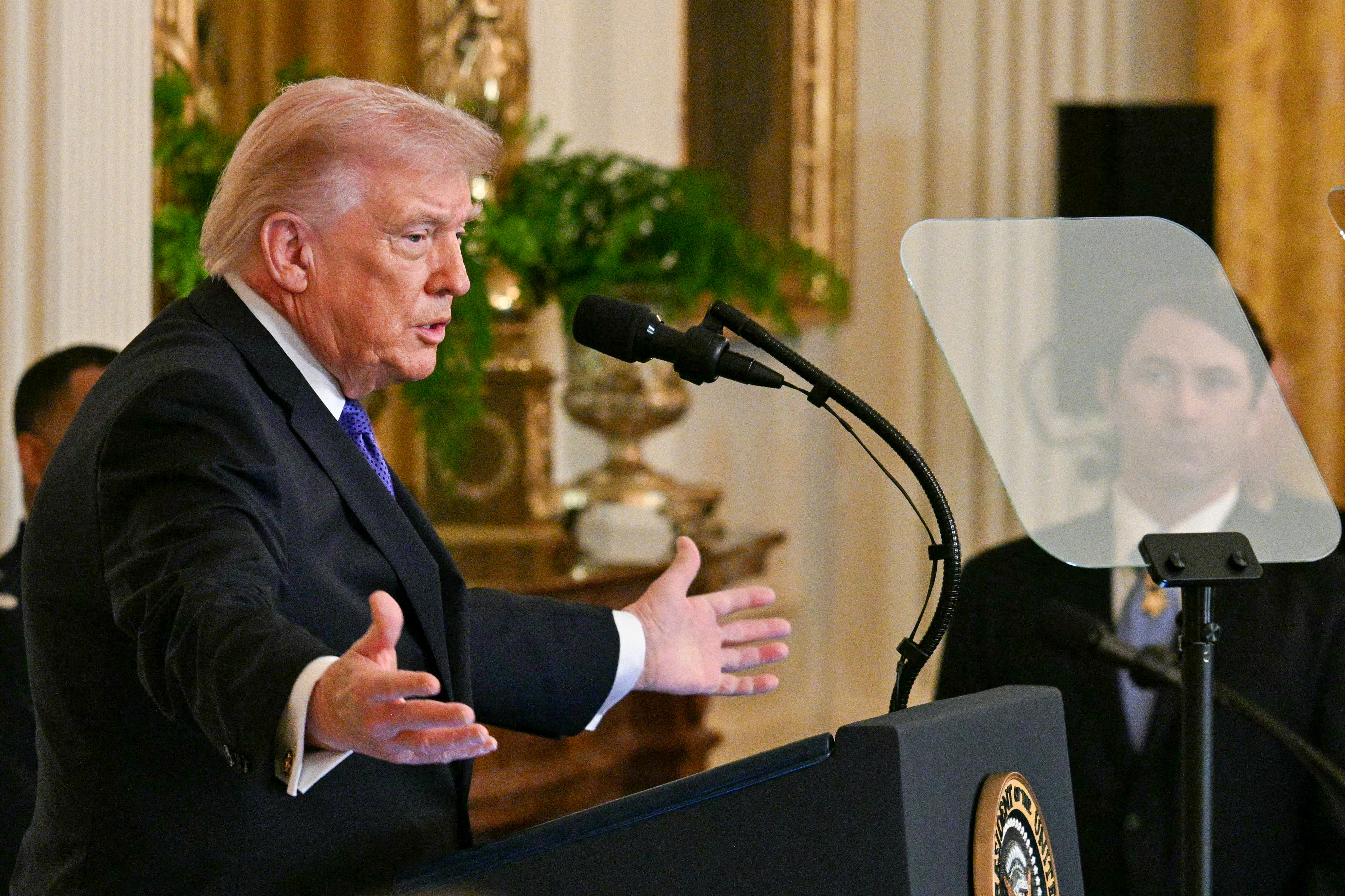
President Donald Trump said on March 6 that he would be open to Iran being ruled by another religious leader and said he wants Iran to undergo a process similar to what occurred in Venezuela in January.
When asked by CNN on Friday in a phone interview about whether he'd be open to another religious leader heading the country, Trump responded, “I may be, yeah.”
Iran has been ruled by a theocratic regime since 1979, encompassing Ayatollah Ali Khamenei’s reign since 1989. Khamenei was killed in U.S.–Israeli strikes on Feb. 28, and no replacement leader has been named.


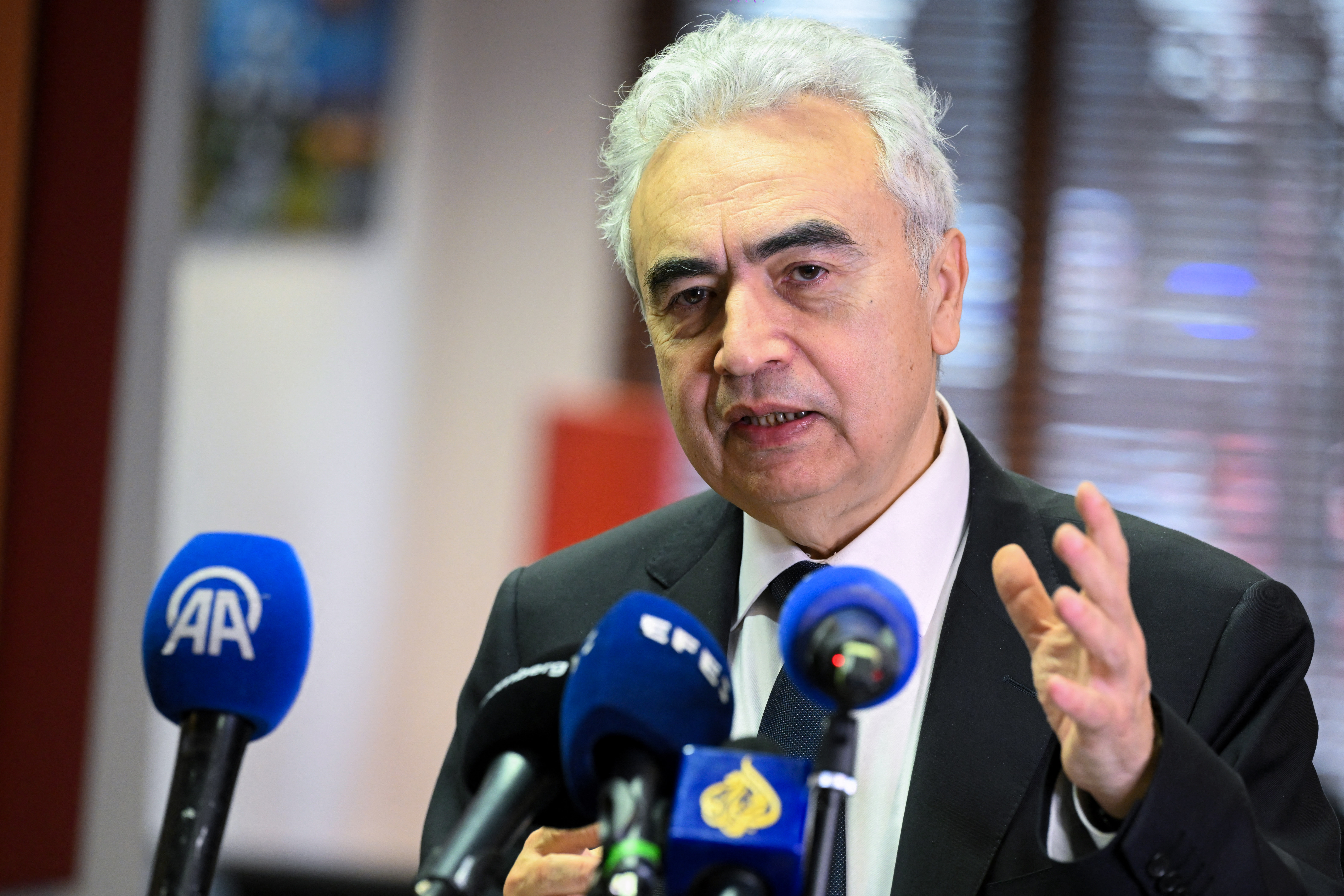
IEA Executive Director Fatih Birol told reporters in Brussels that “there is plenty of oil in the market,” saying the problem was about logistics, not a lack of supply.

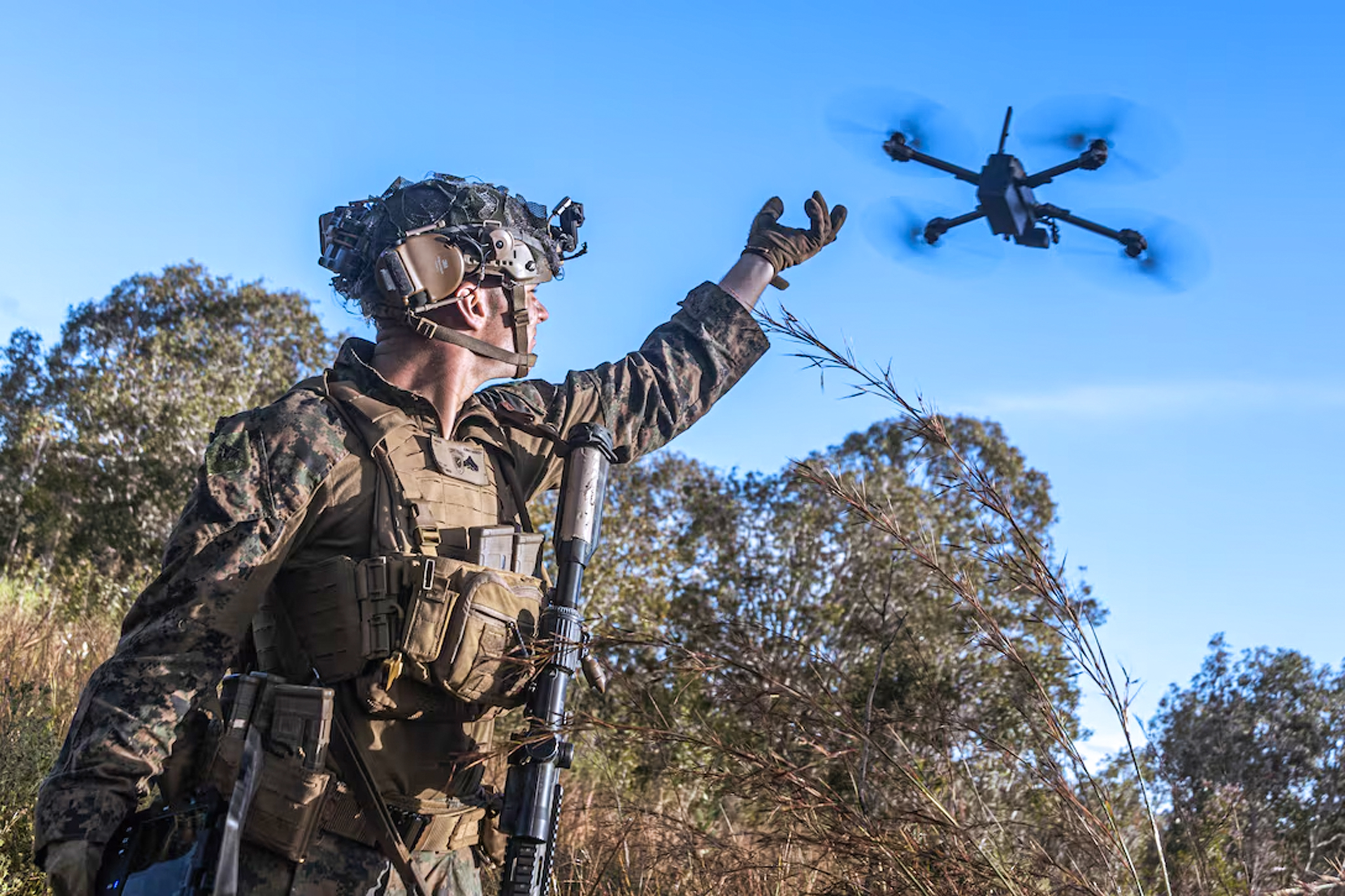
Just days after the United States fired a one-way attack drone for the first time in combat, a Senate committee on March 5 highlighted an urgent need to increase military unmanned vehicle production, training, and use.
“This issue has profound implications for both our warfighting readiness and our future prosperity,“ said Sen. Roger Wicker (R-Miss.), chairman of the Senate Committee on Armed Services. ”I’m not really sure Americans understand that fully yet.”
During the hearing, Wicker acknowledged the U.S. combat debut of the low-cost unmanned combat attack system (LUCAS) drone during Operation Epic Fury against Iran.
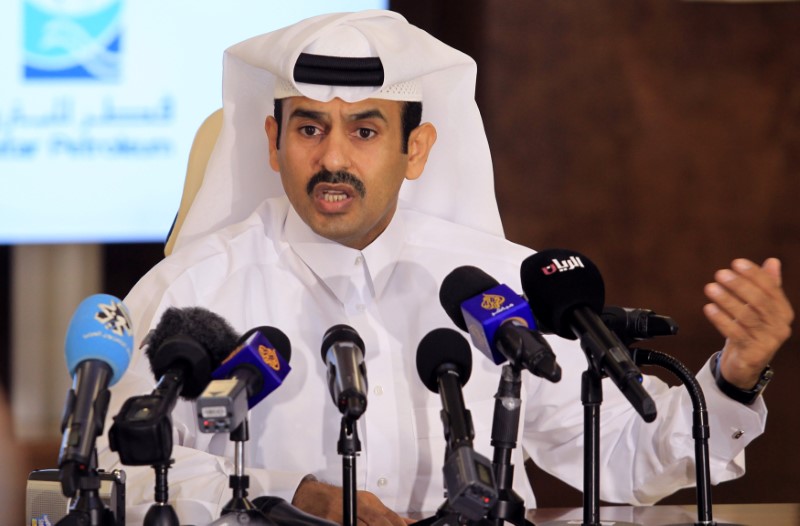
Qatari Energy Minister Saad Al-Kaabi has said that the conflict in the Middle East could “bring down the economies of the world.”
Al-Kaabi, who is also the CEO of QatarEnergy, told the Financial Times on March 6 that oil prices could soar to $150 a barrel within two to three weeks if tankers and other merchant vessels are unable to pass through the Strait of Hormuz.
“Everybody that has not called for force majeure we expect will do so in the next few days that this continues. All exporters in the Gulf region will have to call force majeure,” Al-Kaabi said.
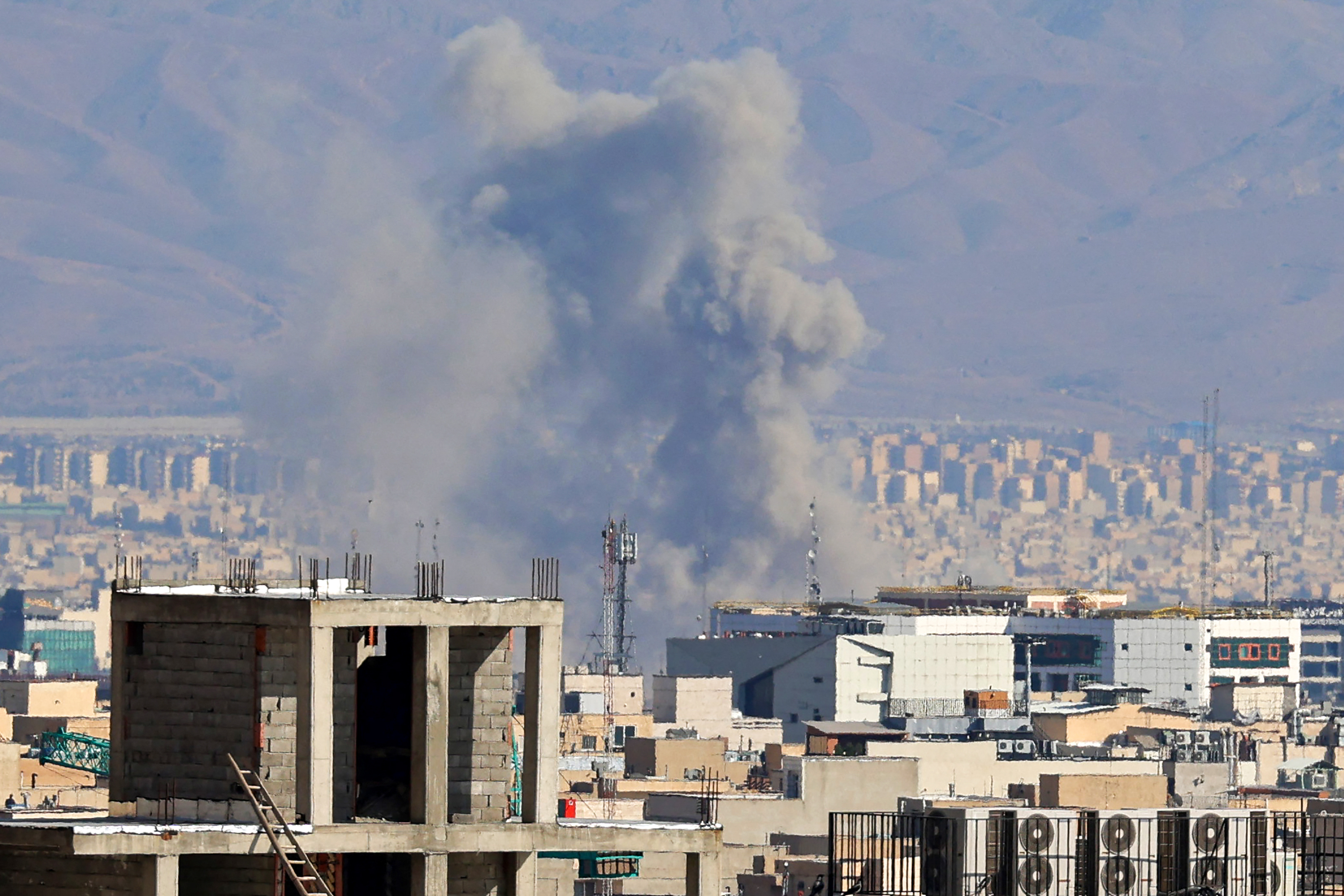
President Donald Trump said on March 6 that he wants unconditional surrender from the Iranian regime and would then work to “bring Iran back from the brink.” His comments come in the midst of a week-long U.S. and Israeli military campaign targeting the country.
Detailing what the administration wants from Iran to potentially stop the military operation that took out the Islamic Republic’s top leadership, Trump wrote on social media that “there will be no deal with Iran except UNCONDITIONAL SURRENDER!”
The president then suggested that he wants to select Iranian leaders on his terms. He added that the United States, “and many of our wonderful and very brave allies and partners, will work tirelessly to bring Iran back from the brink of destruction, making it economically bigger, better, and stronger than ever before.”

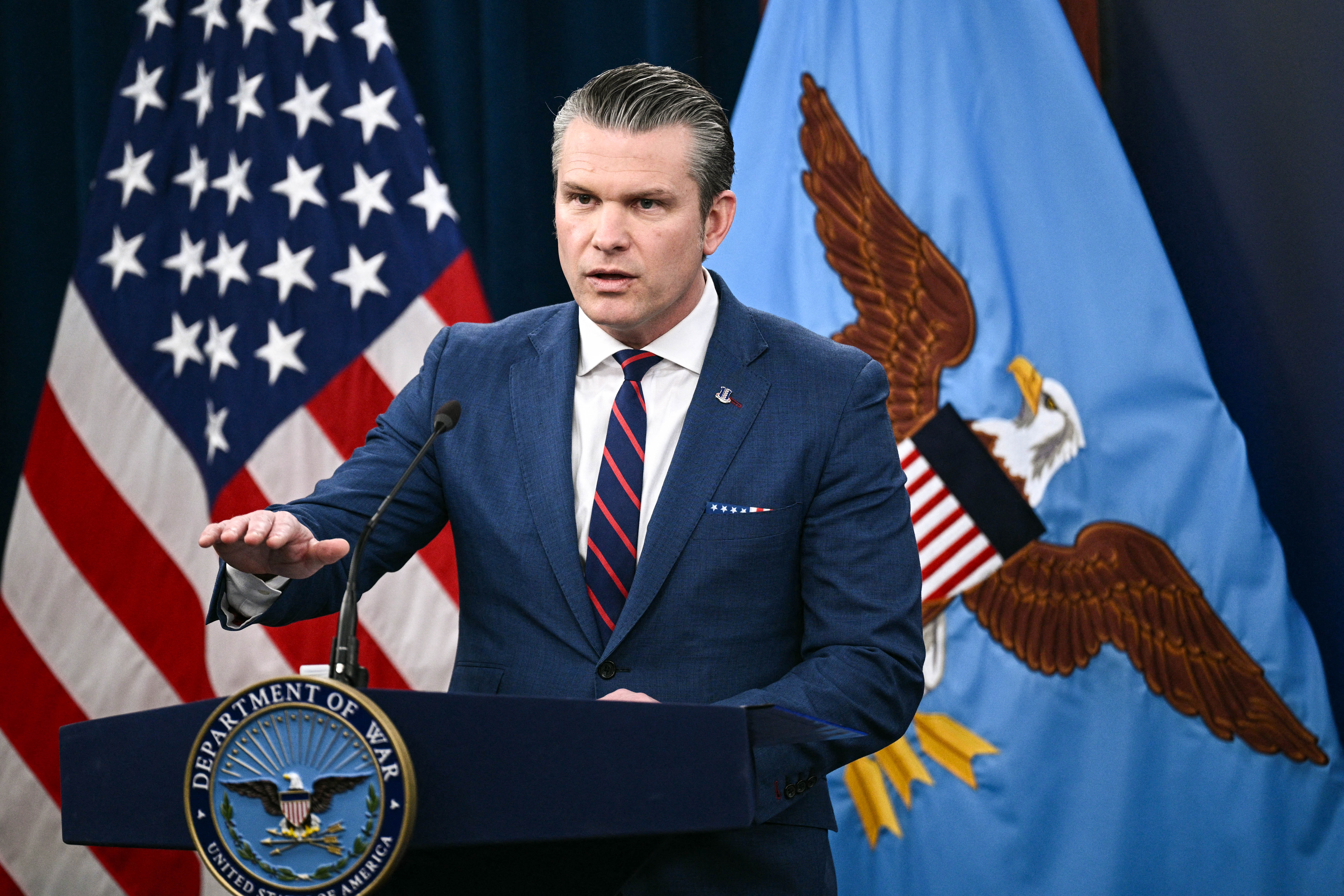
U.S. Secretary of War Pete Hegseth said on March 5 that there is no expansion of objectives in the military operation in Iran.
“We know exactly what we’re trying to achieve,” Hesseth said during a news briefing at U.S. Central Command headquarters in Tampa, Florida.
Hegseth was responding to a question about whether President Donald Trump’s desire to have a say in who will be the next leader of Iran represented an expansion of the objectives of Operation Epic Fury.


The Associated Press