A spokesperson for Iran’s Islamic Revolutionary Guard Corps (IRGC) said on March 9 that Tehran would not allow any Middle Eastern oil to reach the United States or its allies as long as attacks against Iran continue.
The spokesperson, General Ali Mohammad Naeini, was cited by the IRGC-affiliated Tasnim News Agency as saying that Iran’s military “will not allow a single liter of oil to be exported from the region until further notice due to ongoing aggressions” by the United States and Israel.
Naeini suggested that an Iranian oil shipment blockade would send crude prices soaring, and that any attempts by the United States and its allies to bring down oil prices would prove “temporary and fruitless.”
The Iranian general’s threat comes amid a sharpened focus on the Strait of Hormuz, one of the world’s most critical maritime shipping chokepoints through which some 20 percent of the world’s oil is exported from the Persian Gulf.
Fears of Global Energy Shock
Saudi Arabia’s Aramco, the world’s top oil exporter, said on March 10 that there would be “catastrophic consequences” for the world’s oil markets if the Iran war continues to disrupt shipping in the Strait of Hormuz.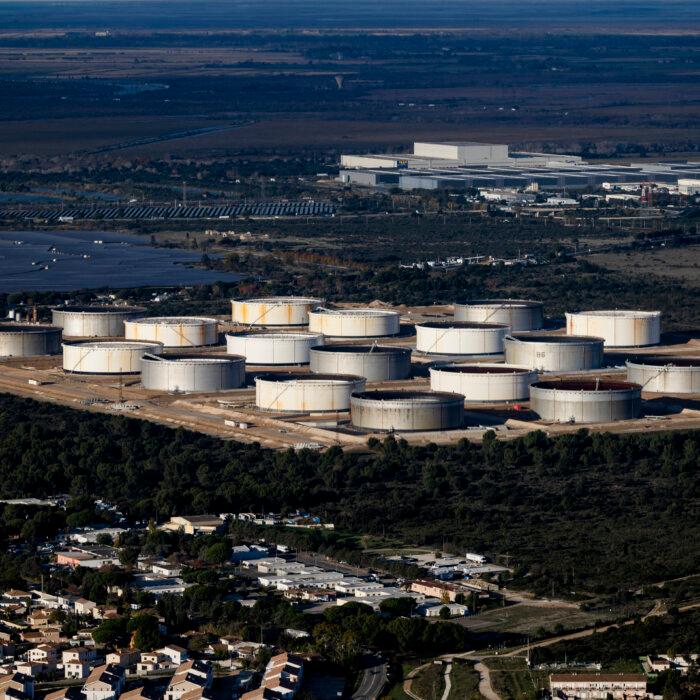
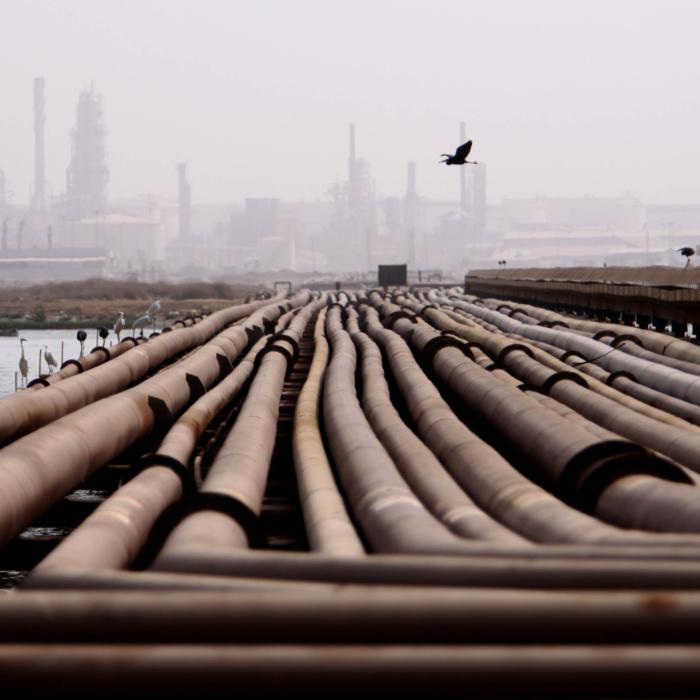
“There would be catastrophic consequences for the world’s oil markets and the longer the disruption goes on ... the more drastic the consequences for the global economy,” Aramco CEO Amin Nasser told reporters on an earnings call.
“While we have faced disruptions in the past, this one by far is the biggest crisis the region’s oil and gas industry has faced.”
Meanwhile, Iran’s Foreign Minister Abbas Araghchi told PBS on March 10 that Tehran had not blocked the Strait of Hormuz and that Iranian strikes against oil production facilities of America’s allies in the Gulf are a legitimate act of self-defence.
“The oil production, the transportation of oil has been slowed down or stopped not because of us, because of the attacks and aggression made by Israelis and Americans against us,” he said.
“So they have made the whole region insecure. And this is why the tankers, the ships are scared to pass through the Strait of Hormuz.
Trump Warns Iran Against Blocking Strait of Hormuz
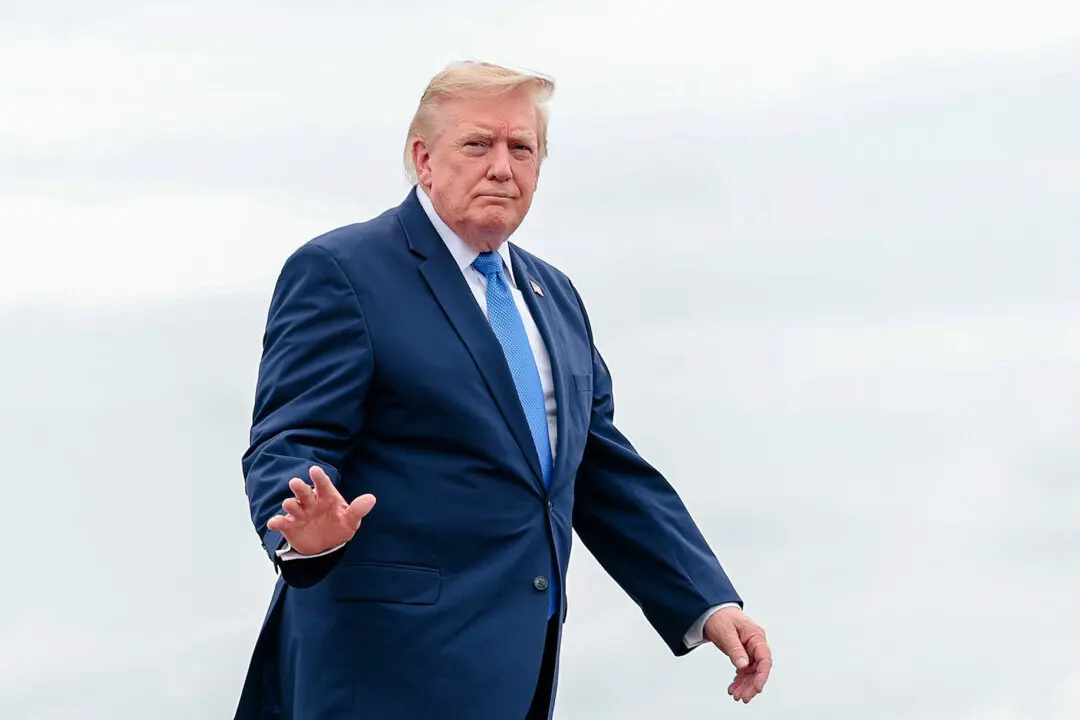
Trump, meanwhile, insisted on March 9 that U.S. military power would be sufficient to keep oil flowing. Speaking at a press conference at his golf resort near Miami, Trump warned that if Iran blocks oil through the Strait of Hormuz, it will “get hit at a much, much harder level.”Despite the sharp rhetoric from both sides, investors placed strong bets on March 10 that the war would end soon, before disruptions to energy supplies trigger major economic fallout.
Economists and market analysts have said that prolonged disruption of oil shipments through the Strait of Hormuz could have significant impacts.
Kristalina Georgieva, the head of the International Monetary Fund (IMF), said in a keynote speech on March 9 that global economic resilience is being tested by the conflict in the Middle East and urged policymakers to “think of the unthinkable and prepare for it.”
Georgieva said that every persistent 10 percent jump in oil prices shaves 0.1–0.2 percent from global economic output and pushes inflation up by 40 basis points.