Iran reopened its airspace after nearly five hours of closure, according to FlightRadar24, which reported the notice was lifted shortly before 10 p.m. EST on Jan. 14—6:30 a.m. on Jan. 15 local time.
The airspace closure, which was prompted by concerns over possible military action between the United States and Iran, forced airlines cancel, reroute, or delay flights.
The closure came as nationwide protests against the Iranian regime continue.
“The situation may signal further security or military activity, including the risk of missile launches or heightened air defense, increasing the risk of misidentification of civil traffic.”
The closure is the latest in a series of short-term airspace restrictions implemented since early January, aligning with escalating unrest and international tensions.
Aviation tracking services and open-source intelligence reports indicate that these closures are part of broader defensive preparations, including the activation of air defenses across western, southern, eastern, and northern fronts. Regions such as Tabriz, Hamadan, Kermanshah, and Ahvaz have been the subjects of specific NOTAMs designating no-fly zones over military bases, missile sites, and oil facilities.
Open-source monitors described the measures as transforming Iranian airspace into a “war zone,” with defenses on high alert to counter potential aerial incursions.
The protests, fueled by economic collapse—including a banking system failure and currency devaluation—have led to a harsh response by security forces. The regime has imposed an internet blackout and phone outages to squash coordination among protestors.
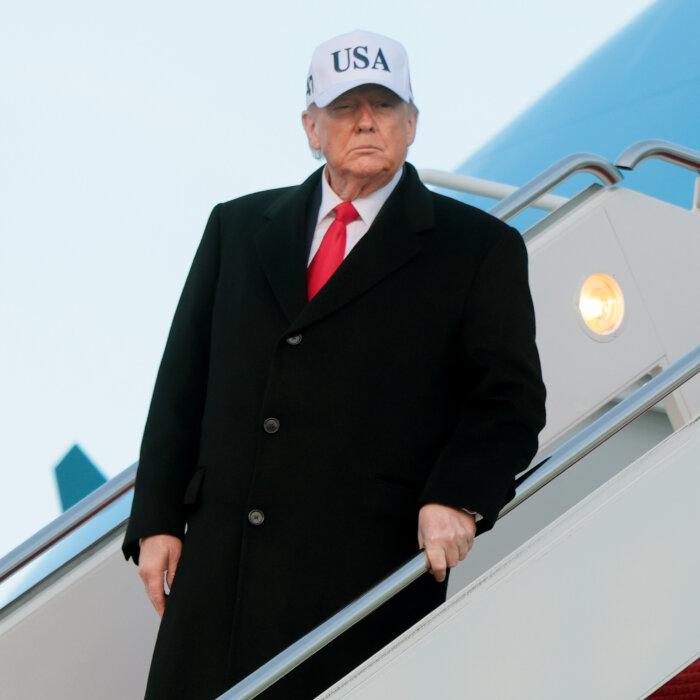
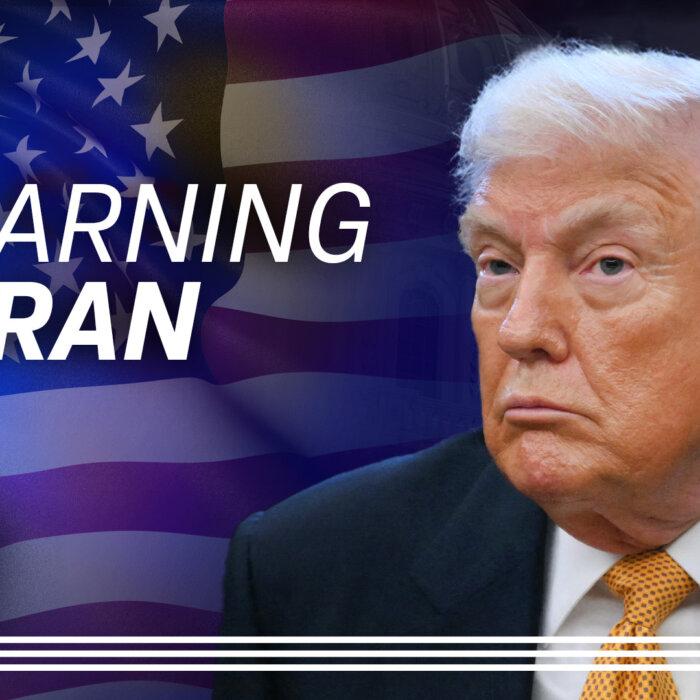
President Donald Trump on Jan. 14 relayed information that planned executions of protesters in Iran are expected to be canceled.
“We’ve been told that the killing in Iran is stopping,” Trump said at a press conference. “It’s stopping, and there’s no plan for executions or an execution.”
The U.S.-based HRANA rights group said it had so far verified the deaths of 2,403 protesters and 147 regime-affiliated individuals. HRANA reported 18,137 arrests so far.
After days of flirting with military intervention to assist the people of Iran against their government, Trump suggested that any U.S. action could be terminated if the regime keeps its promise.
He was asked by a reporter whether the update means that the United States is taking military action “off the table.”
Trump said that the United States would “watch and see what the process is.”