The Albanese government has announced reforms to Australia’s federal parole system, introducing legislation to establish an independent Commonwealth Parole Board that will take over decision-making from the attorney-general.
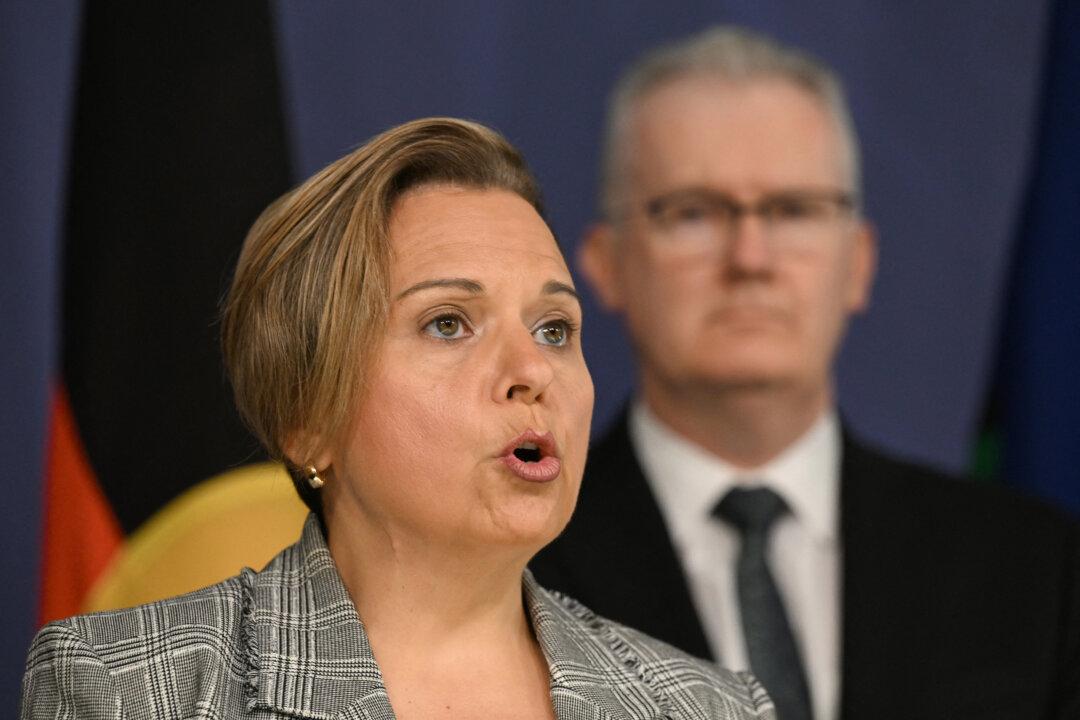
“Decisions about whether convicted federal offenders are released into the community on parole, and the conditions under which they are released, should be made by law enforcement and community safety experts—not by politicians,” Attorney-General Michelle Rowland told Parliament on Oct. 8.
The board will comprise members with expertise in law enforcement, corrective services, psychology, victims’ rights, and community safety.
It will prioritise protecting the public, assessing each offender’s risk before release, and monitoring their reintegration into society.
Why the Reform Is Needed
There are around 1,200 federal offenders currently serving sentences across Australian states and territories—more than the combined prison populations of the ACT and Tasmania. The number of federal parole-related decisions has grown steadily, from 463 in 2023–24 to more than 530 in 2024–25.Until now, parole decisions for federal offenders—ranging from social services fraud to terrorism and child sex offences—have been made by the attorney-general or departmental delegates.


While this system was adequate when the offender cohort was smaller and less complex, the government says it no longer meets modern security needs.
“This cohort now includes increasing numbers of offenders who pose a direct risk to community safety, such as terrorists and child sex offenders,” Rowland said.
“The new framework ensures that decisions about release and management are made by people with the right skills and experience to assess rehabilitation prospects and community risk.”
Powers and Safeguards Under the New Law
Under the new Commonwealth Parole Board Bill, the independent board will assume full responsibility for granting, refusing, or amending parole and licence orders.The board will also oversee breaches, revocations, and overseas travel requests related to parole conditions.
Members will have powers to access and share information from corrective services and intelligence agencies to support decision-making.
Rowland said the independence of the new system would be enshrined in law. Board members will be appointed by the governor-general for terms of up to five years, based on their qualifications and expertise.
They can only be removed for serious misconduct, incapacity, or bankruptcy, ensuring decisions remain free from political influence.
To promote accountability, the board’s chair will produce an annual report to Parliament, outlining its performance and decisions.
A formal legislative review will occur three years after the board’s establishment to assess its effectiveness.
The new law will also preserve existing safeguards for terrorism offenders, who will continue to face strict statutory limits on parole.
Such offenders can only be considered for release under exceptional circumstances and after meeting a high evidentiary threshold.
“Supervision on parole allows for early detection of reoffending,” Rowland said.
“Those on parole are subject to strict supervision conditions informed by advice from corrective services and law enforcement agencies.”