
The International Energy Agency (IAE) slashed its global oil supply and demand growth forecasts on April 14, saying both are now expected to fall from their 2025 levels as the war in the Middle East disrupts oil flows.
The Paris-based body now envisions global oil demand falling by 80,000 barrels per day (bpd) during the current year, compared with a projected year-on-year rise of 640,000 bpd in its March monthly report.
“Demand destruction will spread as scarcity and higher prices persist,” the IEA said in its April oil market report, published Tuesday. It added that the deepest cuts in oil consumption have come from the Middle East and Asia-Pacific so far.
The IEA also predicts global oil supply to plummet by 1.5 million bpd in the second quarter of this year. In March, it had predicted that the global oil supply would rise by 1.1 million bpd in 2026 on average.
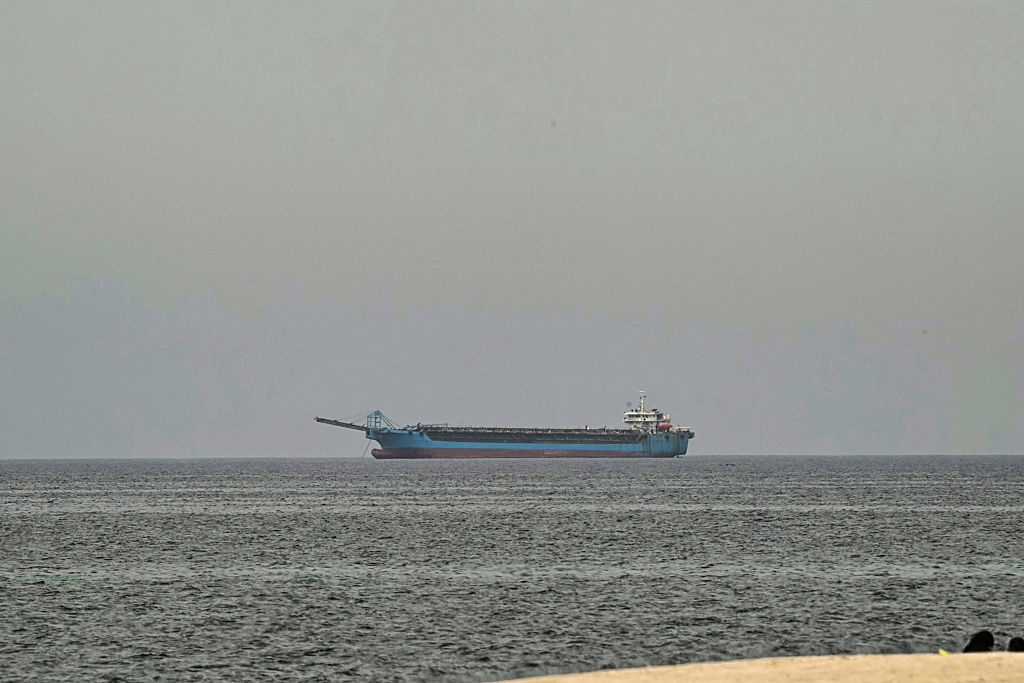
Attacks on energy infrastructure in the Middle East and Iran’s effective closure of the Strait of Hormuz have led to the largest oil supply disruption in history, the IEA said, with the global oil supply plummeting by 10.1 million bpd in March.
The report added that oil prices posted their largest-ever monthly gain in March in the wake of what the IEA termed “the most severe oil supply shock in history.”
“Spot crude benchmarks and differentials soared, outpacing futures markets, as refiners anxiously scrambled to replace locked in Middle Eastern cargoes,” a summary of the report said.
North Sea Oil at Record High
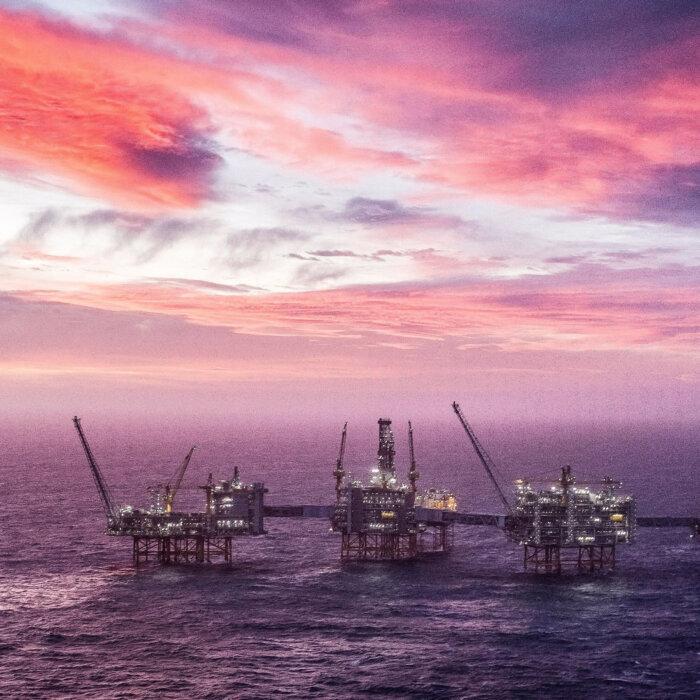
North Sea oil hit record highs last week as demand soared due to the blockage of the Strait of Hormuz, through which around a fifth of the world’s supply flows.Strait of Hormuz Blocked
U.S. President Donald Trump warned on April 13 that the United States could destroy any Iranian vessels approaching its newly announced blockade of the Strait of Hormuz.“Warning: If any of these ships come anywhere close to our blockade, they will be immediately eliminated, using the same system of kill that we use against the drug dealers on boats at Sea,” Trump said in a post to Truth Social. He was alluding to operations used against drug trafficking vessels in the Caribbean and Pacific.
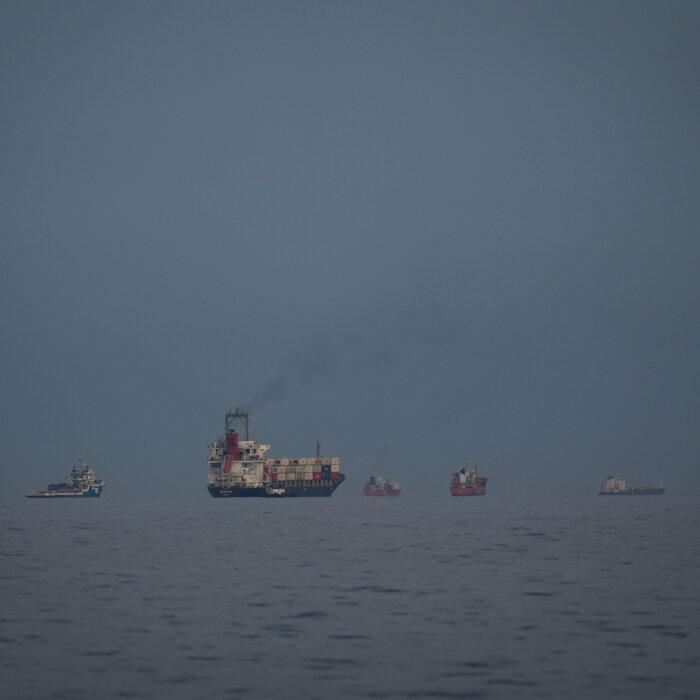
Although traffic had slowed prior to the blockade, maritime tracking data showed that more than 40 commercial vessels had passed through the strait since a two-week ceasefire was announced April 7. The strait handled about 20 percent of global oil shipments before the war.
The blockade affected global energy markets with oil prices rising sharply following the announcement. U.S. crude increased 8 percent to $104.24 per barrel, and Brent crude rose 7 percent to $102.29. Before the conflict began in late February, Brent crude was priced at around $70 per barrel.
“I am very pessimistic because this war is blocking one of the arteries of the world economy. Not just oil and gas, but also fertilizers, petrochemicals, helium, and many other things,” he told French newspaper Le Figaro in comments published on April 6.
“If we look at the three major oil and gas crises of the past, the current crisis is more serious than those of 1973, 1979, and 2022 combined. We are facing a major energy shock that combines an oil shock, a gas shock, and a food shock. It is a major upheaval for the economy.”