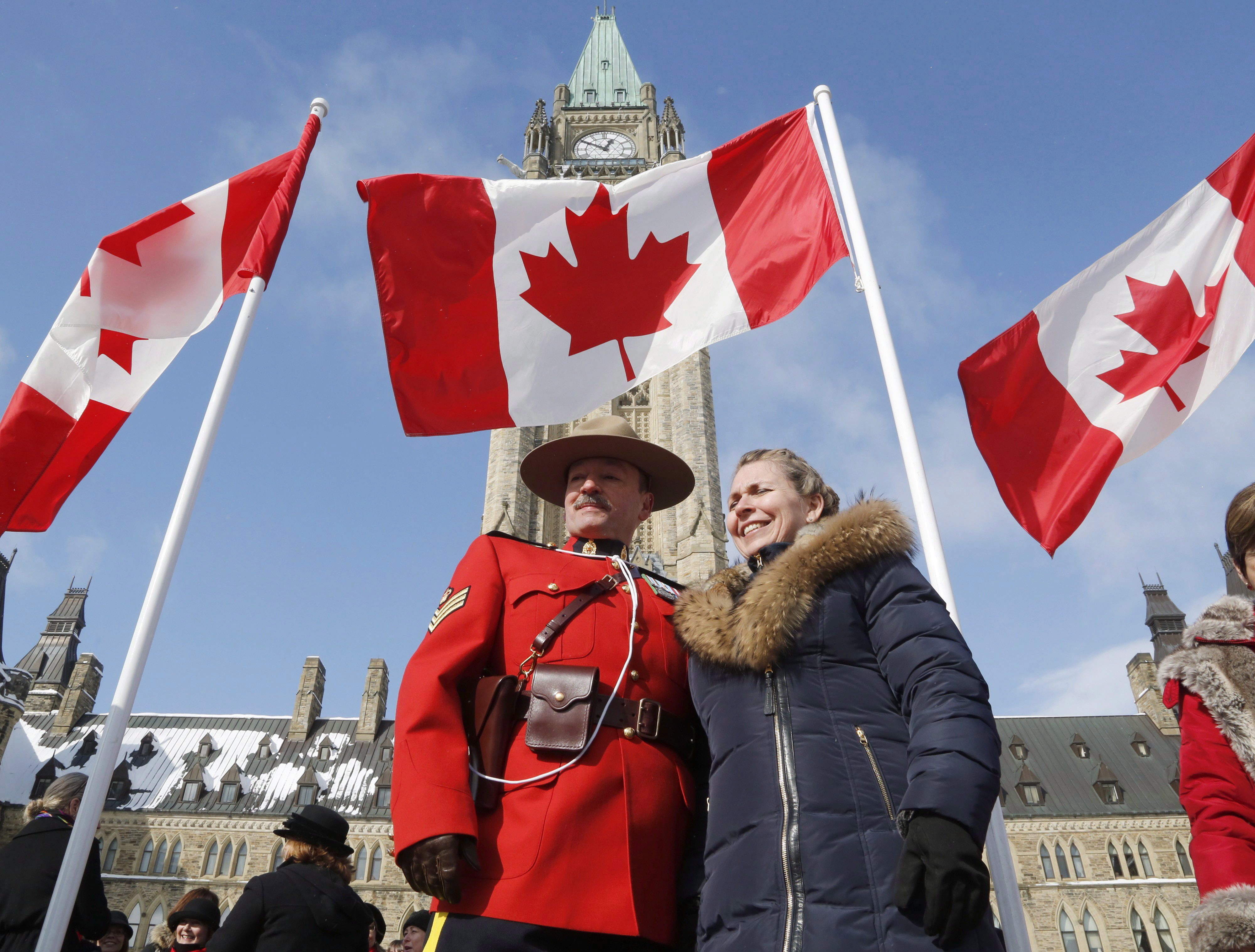
Canada may be famous for its maple syrup, love of hockey, and the CN Tower, but its most recognized symbol continues to be the maple leaf.
The maple leaf became the official symbol of Canada in 1965 when the iconic red and white flag was raised for the first time, but it served as the unofficial symbol of the Great White North for more than a century prior to that event.
History of the Flag
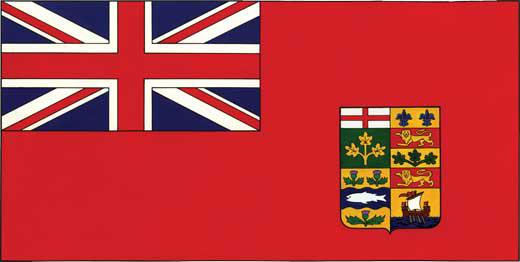
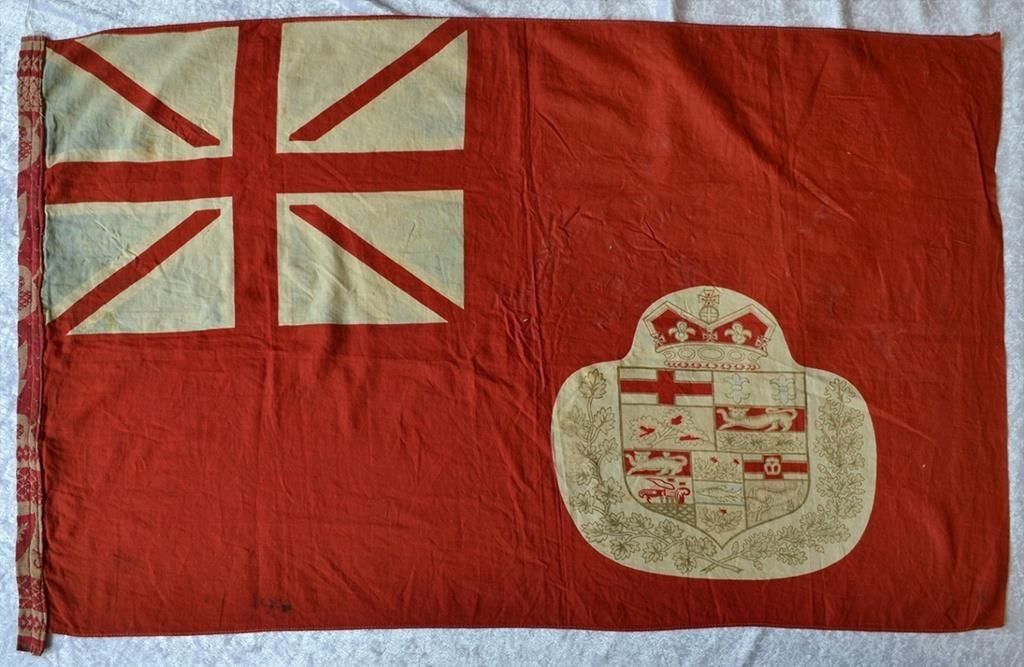
Canada used several different flags prior to the adoption of the present maple leaf. The Canadian Red Ensign, featuring the Union Jack and the shield of the coat of arms of Canada, was flown up until 1965.
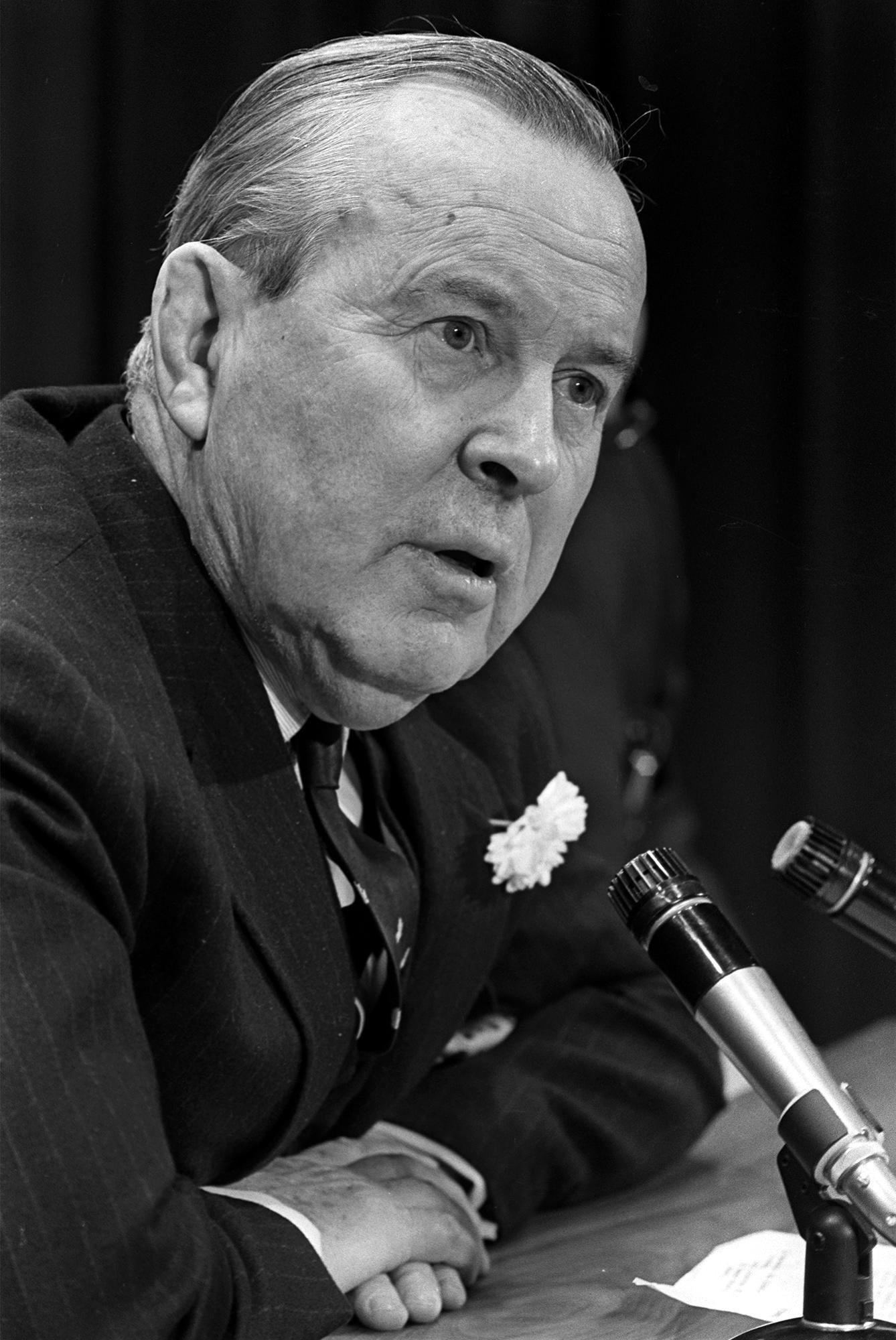
But Canada’s 14th Prime Minister, Lester B. Pearson, was not keen on the idea of Canada having a flag that also represented another country—Great Britain. He proposed the idea of a new flag in 1960 as Liberal Opposition leader and again in 1963 after winning the federal election.


The suggestion led to the Great Flag Debate, a six-month period of bitter arguments in the latter half of 1964 concerning the flag’s appearance and whom it should pay tribute to.
The design proposed by Pearson—three red maple leaves on a white centre square with blue bars on each side—was introduced to Parliament in June 1964. It was nicknamed the “Pearson pennant” by Conservative Opposition leader John Diefenbaker, who vehemently opposed the design.
Diefenbaker wanted a flag featuring a Union Jack that would pay tribute to Canada’s “founding races,” while Pearson advocated for a design that expressed loyalty to Canada while steering clear of colonial connotations that could offend Quebec nationalists.

(The Canadian Press)
After months of debate, a committee of 15 MPs was given six weeks to choose a final design from thousands of submissions from the public. At the 11th hour, Liberal MP John Matheson introduced a flag created by historian George Stanley into the discussion. It was a single red maple leaf on a white square, flanked by two red borders, inspired by the design of the Royal Military College flag in Kingston, Ont.
The committee narrowed the choices down to two: Pearson’s pennant and Stanley’s design. Presuming that the Liberals would support the design proposed by the prime minister, the Conservatives endorsed Stanley’s flag.
The Tories, however, were unaware that the Liberals had made an agreement to also choose the Stanley maple leaf flag as well. Much to the Conservative MPs’ surprise, the vote on the design was a unanimous 15–0.
A vote was held on Dec. 15, 1964, and the committee’s recommendation of the Stanley Flag was accepted by a vote of 163 to 78. It was passed in the Senate two days later and a royal proclamation was signed by Queen Elizabeth II on Jan. 28, 1965, making Canada’s new flag official.
It was flown for the first time on Feb. 15, 1965.

“Doesn’t it just bring a maple syrup-flavoured tear to your eye to know that our flag got selected by some trickery on a parliamentary committee?” Niergarth said.
Niergarth said many are surprised to know the maple leaf flag has not been the country’s symbol for very long.

The maple leaf showed up on Canadian Olympic uniforms at the 1908 Summer Olympics in London. The uniforms had a red maple leaf on a white background.

It also appeared on the Montreal Canadiens hockey jersey from 1910 to 1913, while the Toronto Maple Leafs adopted the leaf logo in 1927.
In Canada’s early days, several publications also featured the maple leaf, including at least one newspaper, as well as Canada’s first comic journal, Punch in Canada.
Canadian pennies began featuring the maple leaf in the 1850s, with all coins adopting the symbol by 1901, a tradition that continued until the Royal Canadian Mint stopped producing the one-cent coins in May 2012.