There has been a wave of increased municipal fees and property taxes in Canada in recent years, contributing to higher overall housing and living costs for residents amid ongoing affordability challenges.
Some of these costs, such as property taxes, are more visible to consumers, while others, in the form of development fees, raise construction prices and are less visible to homeowners.
Cities implementing higher municipal fees argue that they are essential for growth and ensure that new developments contribute their fair share toward the infrastructure needed to support expanding communities. Critics argue that these fees inflate development costs, are passed on to buyers, and are often held in reserve without delivering all the promised benefits.
What Are Municipal Fees?
Municipal fees are imposed on developers as part of the building process and typically include development charges along with utility levies and other supplemental fees. They are designated to help fund infrastructure growth related to new development.Rising Costs
Data from industry groups highlights a significant rise in municipal fees over recent years.Toronto is among the cities experiencing the largest increases, with development charges on single-detached homes rising from an average of $12,910 in 2010 to $141,139 in 2024—an increase of approximately 993 percent. Development charges on single-detached homes went up an average of 208 percent between 2011 and 2023 across the largest municipalities in the Greater Toronto Area.
The BC Real Estate Association (BCREA) says municipal fees in British Columbia vary widely from region to region, noting that development fees, as a percentage of overall construction expenses, differ across municipalities.
That means determining the full impact of municipal fees on a property can be difficult.
“Unless the data is provided by the builder/developer, or the purchaser or seller is willing to look up the fees on the municipal websites, the figures are not transparent in the listings,” the organization told The Epoch Times.
Longtime real estate broker Daniel Foch says municipal fees have a clear negative impact on affordability.
In addition to these municipal fees and property taxes, homebuyers also face federal and provincial tax, most notably the GST or HST on new construction, which can add tens of thousands of dollars to the final purchase price.
Market Impact
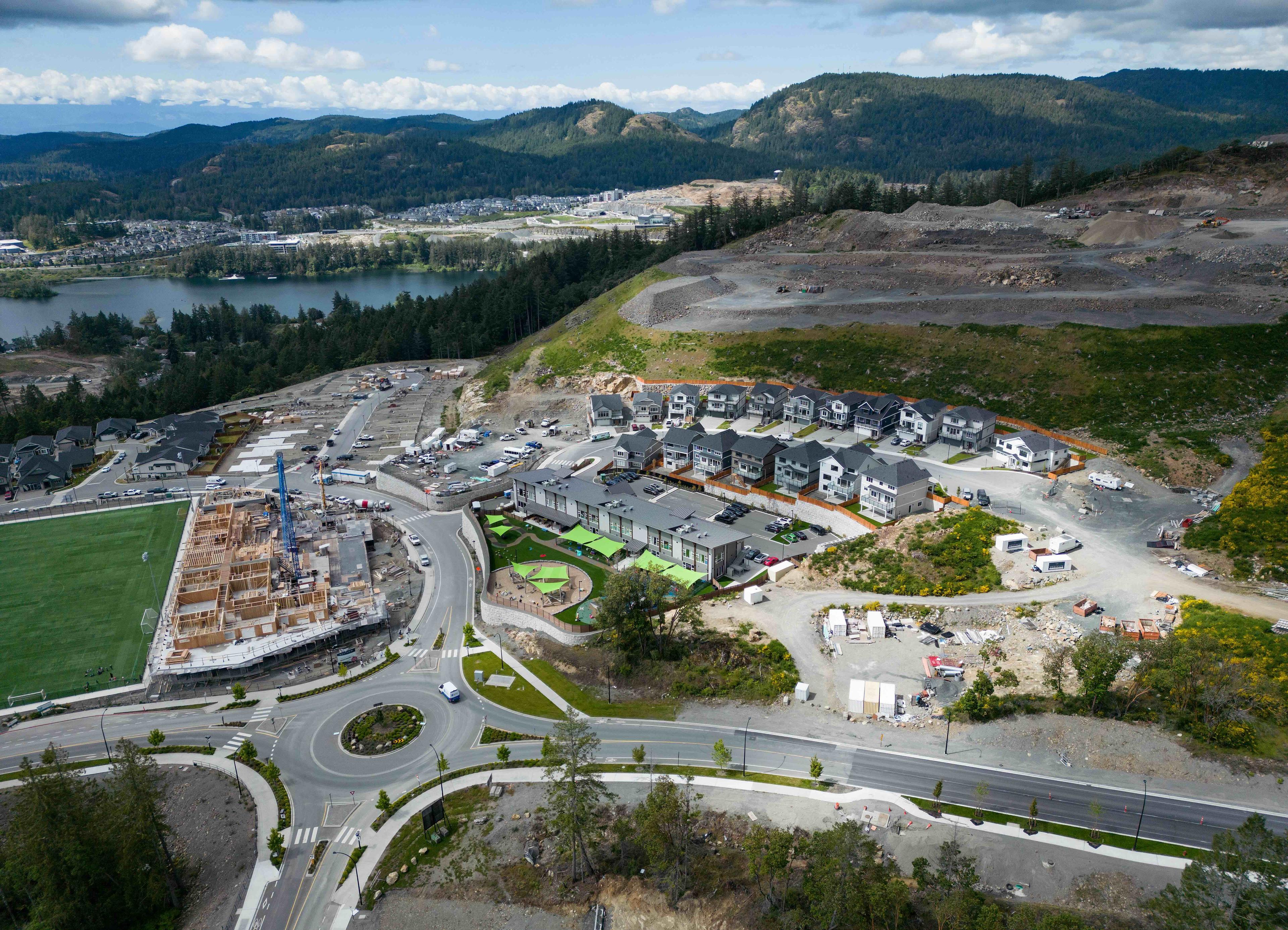
The BCREA says rising municipal fees have a measurable impact on supply—reducing how many homes get built, tightening supply in some areas, and keeping rents and prices higher than they otherwise would be.Excessive municipal fees can also push the construction costs of new housing “above that which can be supported by the market price,” BCREA notes.
“Developers will, in many cases, then postpone or abandon the construction of new housing until the market price can support the development cost,” the organization said.
The BCREA added that while first-time homebuyers may not be as directly affected, since they tend to shop for resale homes, they are still impacted indirectly by a tightened supply and the resulting higher prices.
“Between 2007 and 2023, the amount of unspent infrastructure money in Toronto’s development charge reserves grew from $172 million to $3.1 billion, a 1,708% increase,” the report noted.
The study says limited municipal data makes a comprehensive analysis for the reasoning difficult, and notes that Ontario has not conducted a provincial audit of the municipal fee system since its introduction in 1997.
Foch said many buyers and renters underestimate just how significant municipal fees have become. He gave the example of a buyer purchasing a new home where $120,000 in municipal fees have been embedded in the price of a home and passed on to the buyer.
“[The city] makes twice as much as what the developer makes. And they take no risk,” Foch said.
Municipalities
Municipal governments say they use the money raised by these municipal fees to ensure that housing growth is accompanied by adequately funded infrastructure, rather than being directly passed on to homeowners via higher property taxes.“Development charges are a key tool to support critical infrastructure investments for growth, helping to fund roads, transit, water and wastewater systems, parks, libraries, community centres and emergency services that are required to support a growing population,” Lauren Birch, director of strategic policy and programs in the City of Toronto’s finance and treasury department, said in a statement to The Epoch Times.
Municipalities also emphasize that development-related fees are legally restricted to funding growth-related infrastructure and cannot be used for general operating costs.
For example, the City of Vancouver has repeatedly said its Development Cost Charges must be directed toward infrastructure tied to new growth, not general revenue. The BCREA notes that provincial rules in B.C. strictly govern how such funds may be spent.
‘Growth Pays for Growth’
Birch said that Toronto abides by the philosophy that “growth pays for growth,” meaning that cities expect new development to pay for the infrastructure and services their developments will require, rather than having existing taxpayers cover those costs.Birch added that the city froze development charges last year at 2024 levels due to “recognition of current market conditions and to incentivize new housing supply” and has also taken steps to incentivize new housing starts. The city has also said it’s working to create exemptions to municipal fees to make renting or purchasing property more affordable.
Meanwhile, the BCREA called for federal-level changes, particularly moving away from the “growth pays for growth” approach, which it says has fuelled the sharp rise in Development Cost Charges over the past decade.
The association also criticized the current model for overestimating who benefits from new infrastructure funded by municipal fees. The BCREA said there are significant benefits that existing homeowners receive from infrastructure spending, and said that municipal fees are often inaccurately assumed to fund only growth.
“This suggests that the new road or sewer system improvement provides 99 percent of its benefits to the new development, and only 1 percent to the entire remainder of the municipality,” the association said.
Both the BCREA and Foch noted that political considerations often make municipalities favour fees over raising property taxes, although Foch added that property taxes are still rising significantly in many areas.
“Municipalities are generally loathe to increase property taxes (particularly in the lead up to an election year), and would prefer to direct construction and upgrading of municipal infrastructure to new developments, whenever possible,” the BCREA said.
Foch echoed this, saying that politicians don’t want to alienate sizeable voting blocs of existing homeowners.
“The problem is voters are overwhelmingly existing homeowners,” he said. “You’re using this huge boom in new home demand … to subsidize growth of services for existing homeowners and allow you to keep their property tax costs low.”
The BCREA noted that the federal approach to housing so far has centred on financing programs, tax incentives, and supply targets, but much less so on addressing skyrocketing municipal fees.
As Canadians continue to wrestle with housing affordability, Foch said if more people realized the outsized impact of municipal fees on the cost of housing and rent, they would demand change.
“I think just your average consumer doesn’t understand it,” he said. “If people truly understood how much they were paying from it to the government, they would demand—maybe they wouldn’t put an end to it—but they would demand more of the government in return.”