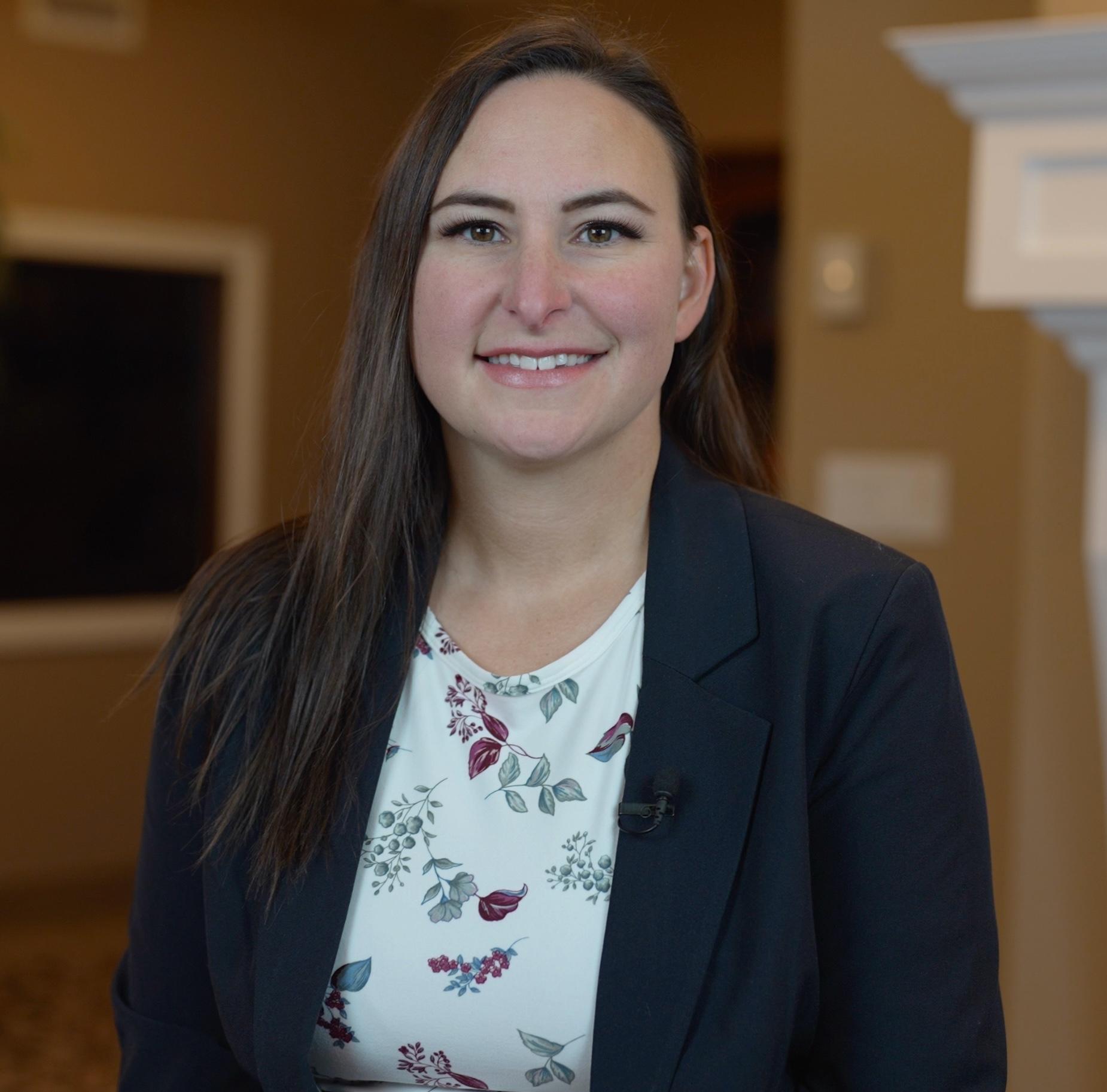
Nadine Ness, director of Saskatchewan-based grassroots group Unified Grassroots, says it’s not right that unelected school administrators and activists get to overrule elected governments—who reflect the will of the public who voted for them—on parental rights.
“The only people it serves are certain teachers and the government, and that is more harmful to students than we can ever imagine,” Ness, a mother of four, told The Epoch Times.
When unelected individuals or organizations make decisions on education policy, “the parents have no voice, and not just that, the students have no voice,” she said.
Activist Pressure
The latest legal challenge to government of Alberta legislation is over its recently introduced pronoun law, requiring parental consent before students change their pronouns or names at schools. Saskatchewan has also introduced similar legislation, and has likewise been subjected to a legal challenge.
Before winning the election, Ford campaigned on repealing the controversial curriculum, which had faced backlash from parents who questioned its age-appropriateness—with some even pulling their children out of school.
Jack Fonseca, director of political operations at the advocacy group Campaign Life Coalition, said the province fell short of the promised repeal because it didn’t want to fight the “powerful teachers’ unions and the media.”
Targeting of Candidates
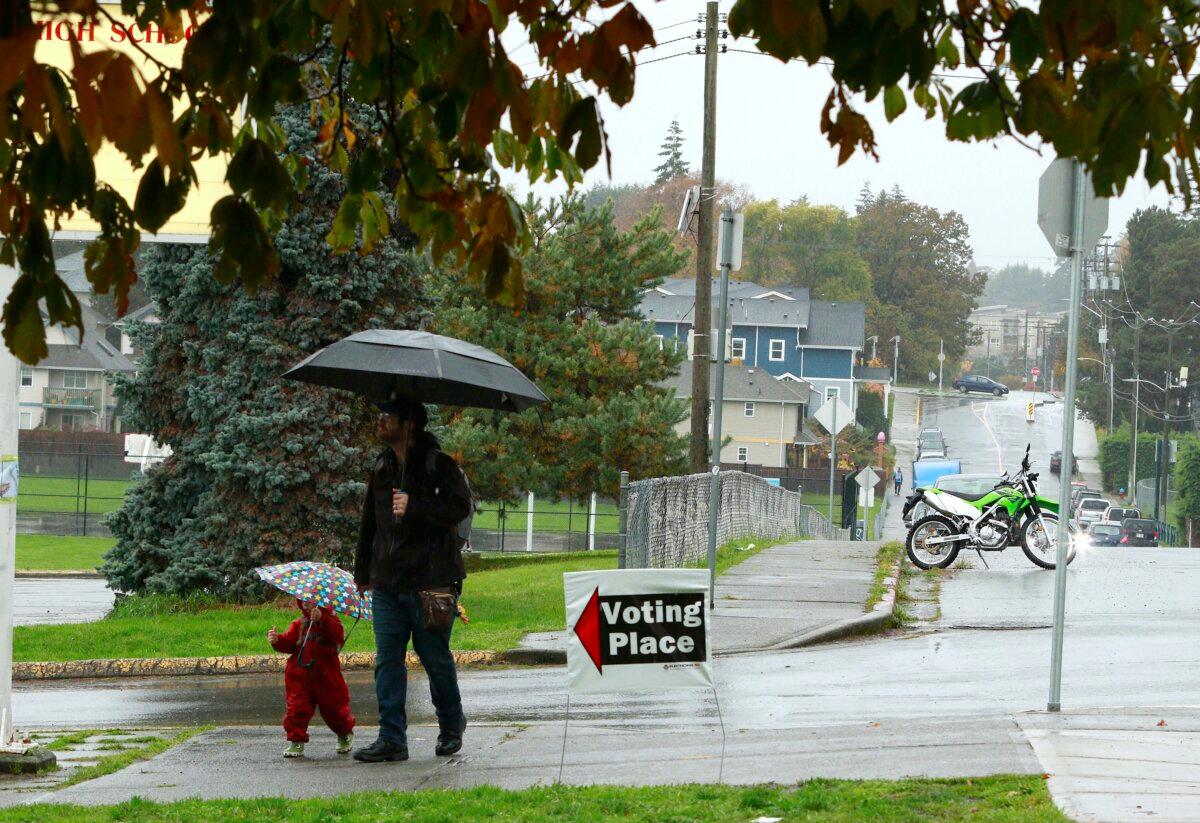
In recent years, pro-parental rights organizations like Blueprint for Canada and ParentsVoiceBC have emerged across the country to try to effect change at the school board level by supporting trustee candidates who prioritize parental rights.
Ness says in Saskatchewan, Unified Grassroots can be considered a success story for parental rights because of the strategy the group employed. Through grassroots efforts—mainly word of mouth and on-the-ground organizing—the group saw 25 of its 30 school board trustee candidates elected in last year’s elections.
Ness attributes the positive results to a strategy of indirect support, choosing not to publicly associate the candidates with the organization to avoid having them targeted by activists or smeared in certain media reports.
“One of the things that we’ve noticed for the [other parental rights] groups is that they posted their candidates publicly, and there were massive attack campaigns against the candidates who were named publicly,” Ness said.
“Because of that, [activists] built this giant monster to attack those candidates, so even though they were working really hard door-knocking, they weren’t successful.”
Her organization helps candidates in a “roundabout way” through methods such as providing them with training on how to do political campaigns or supporting them with online comments, Ness said.
“We work in a very different time, and we are working against a very big machine of the left, and we need to counter that with just as big of an organization, which we don’t yet have in Canada,” she said.
Ness added that beyond political labels like “left” or “right,” many parents without a specific affiliation want to be involved in their children’s education—but don’t engage with organizations like hers because activist groups and certain media reports have portrayed her and her group as “extreme.”
“Mainstream media or the leftist activists have gone on massive campaigns to paint organizations that even say, ‘hey, something is not right,’ as extreme,” she said.
School Boards
Ness says one way non-elected individuals and activist groups are shaping education policy is by influencing school administrators—such as superintendents and principals—who, she says, have gradually been given more decision-making power than school boards over the past few decades.“It’s coming at the administration level,” she said. “They keep pushing the woke agenda at the administration level [and] the provincial government gets completely attacked if they do anything about it.”
She became aware of the issue after her group began reviewing school policies on gender and sexual orientation, which she says had not been approved at either the provincial or school board level.
“The activist groups would do meetings in front of [school administrators], and they ended up being the ones who passed the policy,” Ness said. “It subverted any democratic process, the public wasn’t even made aware, and that was becoming the rule.”
She says it requires a shift in mentality and efforts to raise awareness for school boards to regain their decision-making power.
Public Funds
Another way in which activist groups are shaping education policy rather than elected representatives is by making sure their arguments are well-represented in court and backed by numerous “experts,” says John Hilton-O’Brien, executive director of advocacy group Parents for Choice in Education (PCE).
He recalled when Saskatchewan’s pronoun law was challenged in court and his organization had sent a lawyer after applying to be interveners. In the courtroom, the lawyer noted a significant disparity in legal representation: two lawyers for the government, compared to 14 for the activist group opposing the policy.
Breaking the Cycle
Ness says the way parents can turn around the situation is by getting involved. She says most people think they don’t need to get involved because someone else will.“The fact is, everyone thinks just like you, and because of that, no-one gets involved. We need to break that,” she said.
“If you’re not the personality to run for school boards, then show up. Maybe you can stuff envelopes for a candidate. There are so many different things you can do that can help influence change.”