The Hamas terrorist group announced on July 6 that it had dissolved its Government Emergency Committee in Gaza to support what is described as a step forward in a U.S.-backed peace plan.
Speaking at a news conference in Gaza City on July 6, Ismail Al-Thawabta, director of the Hamas media office, said the head of the “Government Emergency Committee” oversight body had resigned and that the committee itself had been dissolved.
Thawabta said the decision showed “the seriousness of these measures, in implementation of the agreed arrangements, and to facilitate the administrative transition process.”
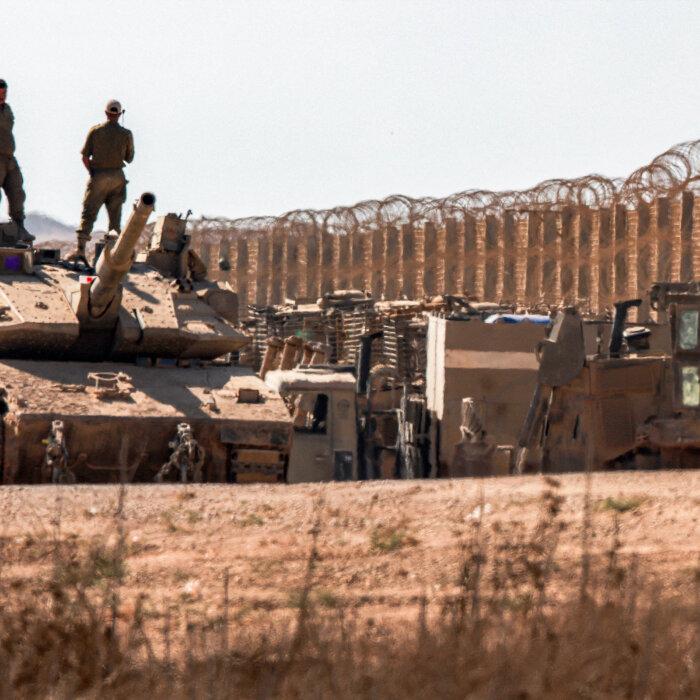
The announcement comes as Israel and Hamas remain engaged in indirect negotiations over the second phase of a U.S.-brokered ceasefire reached in October 2025. The talks have remained deadlocked over Hamas’s disarmament and the withdrawal of Israeli troops from Gaza.
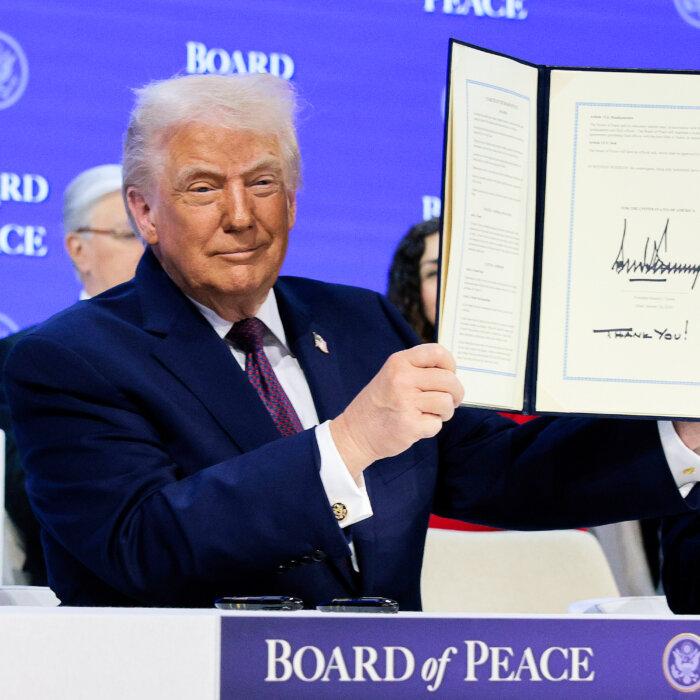
Under a U.S.-backed peace proposal promoted by U.S. President Donald Trump, Hamas is expected to transfer civilian governing responsibilities to the National Committee for the Administration of Gaza, a body made up of U.S.-backed Palestinian technocrats.
The broader proposal also states that the Palestinian Authority could prepare the conditions for “a credible pathway to Palestinian self-determination and statehood” after completing political reforms.
The plan also calls for Gaza to be demilitarized, describes the territory as becoming “terror-free,” and says humanitarian aid would fully resume once hostilities end.
Trump and Israeli Prime Minister Benjamin Netanyahu have repeatedly said Hamas will have no future role in governing Gaza.

Board of Peace, Israel Respond
The Board of Peace responded to Hamas’s announcement in a July 6 post on X, saying it had taken note of the Emergency Committee’s dissolution but would judge the move by what happens next rather than by statements alone.“Ultimately, our assessment will be guided by actions, not promises,” the board said.
It added that future decisions should follow its roadmap for governance, security, and political transition in Gaza.
The board wants the National Committee for the Administration of Gaza to take full governing authority through agreed implementation measures.
“The core principle remains one authority, one law and one weapon,” the board said. “This means the consolidation of all weapons under the control of the NCAG as provided for in the Comprehensive Gaza Peace Plan and United Nations Security Council Resolution 2803.”
Israeli Foreign Minister Gideon Sa'ar said in a July 6 post on X that Israel does not believe Hamas intends to surrender military control.
Sa'ar said Hamas appeared willing to allow a technocratic government to manage civilian services while keeping its armed wing intact. He argued that such an arrangement would resemble Hezbollah in Lebanon.
“Hamas’s apparent willingness to ’make room‘ for a technocratic government is designed to prevent its own disarmament,” Sa’ar wrote.
Technocratic Committee Says It Is Ready
Sha'ath said in a July 6 post on Facebook that his organization was prepared to assume responsibility once the necessary conditions were in place.Sha'ath said the committee was “fully ready to carry out its national responsibilities” after the Emergency Committee was dissolved. He also said success would depend on “one authority, one law with a clear reference, and one weapon subject to this authority.”
The conditions would create the political, administrative, and security environment needed for the committee to govern effectively, Sha'ath added.
The Hamas-run Gaza Health Ministry said on July 6 that 1,072 people had been killed since the ceasefire began on Oct. 11, 2025.

The ministry said the overall death toll in Gaza since the war began on Oct. 7, 2023, had reached 73,098, with 172,855 people wounded. The figures have not been independently verified.
The war began after the Hamas-led attack on Israel on Oct. 7, 2023, in which about 1,200 people, most of them civilians, were killed and more than 250 hostages were taken, according to Israeli authorities.