



Parks Canada has issued a grizzly bear warning for popular hiking and camping areas in Banff National Park near the Alberta-B.C. border, after a bear with a history of encounters with visitors was reported frequenting the region.
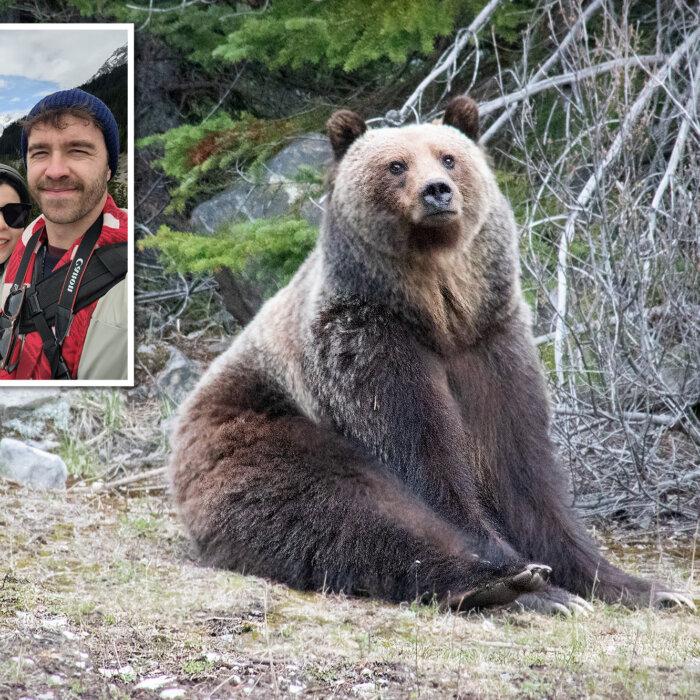
The federal agency issued the warning for the park areas of Arnica Lake, Vista Lake, Twin Lakes, Gibbon Pass, and Shadow Lake, as well as all trails in the region including campgrounds Re6, Re14, Re16, Re21 and Tw7, according to a Sept. 29 bulletin. The warning concerns an adult grizzly bear with a lower jaw deformity from a past injury, which Parks Canada says visitors should be on the lookout for.
Kelly Veillette, spokesperson for Banff National Park, told The Epoch Times the warning remains in effect as of Oct. 3 and will stay in place until further notice.
“There have been no recent encounters or incidents since the warning was issued and the reported bear is not known to Parks Canada staff,” Veillette said. “Parks Canada will provide an update if there are any changes.”
The agency is recommending visitors to carry bear spray, stay vigilant, make noise while using trails, and watch for fresh bear signs, such as tracks or droppings. In case of an encounter, visitors should keep a distance of at least 100 metres from the animal.
To mitigate the risk of attracting bears, visitors are advised to keep their belongings, including clothing and tents, free of odours. Anything with a scent, such as food or garbage, should be stored or disposed of in secure locations such as bear-proof lockers or garbage bins, which are usually available at campgrounds.
Parks Canada also recommends supervising children at all times and keeping pets on a leash, especially in areas where bear warnings are in effect.
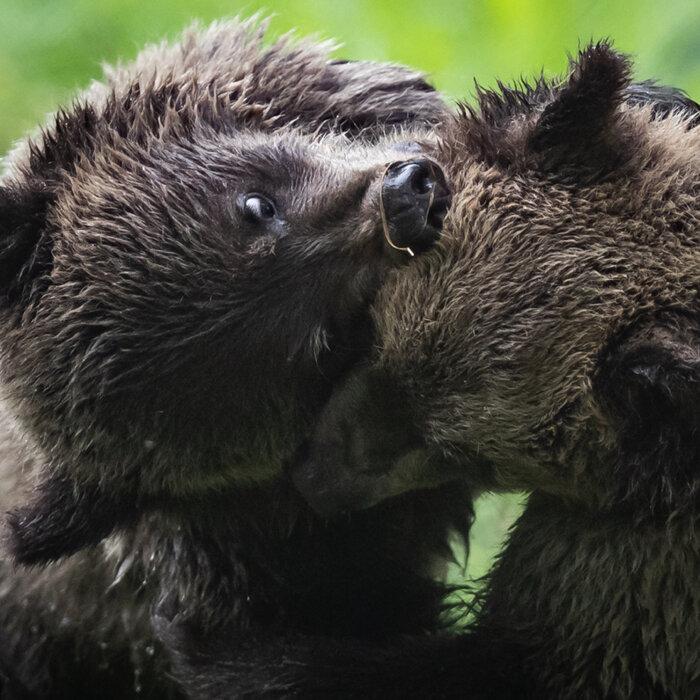
Banff National Park is home to both black and grizzly bears, with the latter being considered a species of special concern under the Species at Risk Act. This means they are highly sensitive to human activity or natural events, but are not classified as endangered or threatened.
Their population, which has a low reproductive rate, is affected by habitat fragmentation due to land use, as well as by bear deaths on roads and railways each year.
The Alberta government last year announced the creation of a network of wildlife management responders amid a rise in reports of negative grizzly-human interactions. At the time, the province said recent grizzly encounters—attributed in part to a growing grizzly population—had been predatory in nature, rather than related to the animals defending cubs or food sources.
Responses to bears identified as a “problem animal” include tracking and euthanasia, in compliance with existing rules and regulations. The government said the measures should not be considered a “bear hunt,” but an initiative to ensure the safety of humans.
As of July 2024, there were more than 1,150 grizzly bears in Alberta, according to provincial estimates.
Parks Canada asks that bear sightings or encounters in the national park be immediately reported to Banff dispatch.
For drivers who see bears along the roadside, Parks Canada recommends viewing them from a distance. Getting too close is discouraged, both for safety and to prevent bears from losing their natural fear of humans, which Parks Canada says can raise the risk of them being struck by vehicles or entering areas commonly used by visitors.


