Greens Senator Nick McKim is not convinced that the promised measures to safeguard native species in the Robbins Island wind farm project go far enough.
The company behind the project calls it “a step in the right direction,” while the Labor government promises it could undo the emissions of up to a million cars every year.
But McKim believes it would constitute a grave mistake.
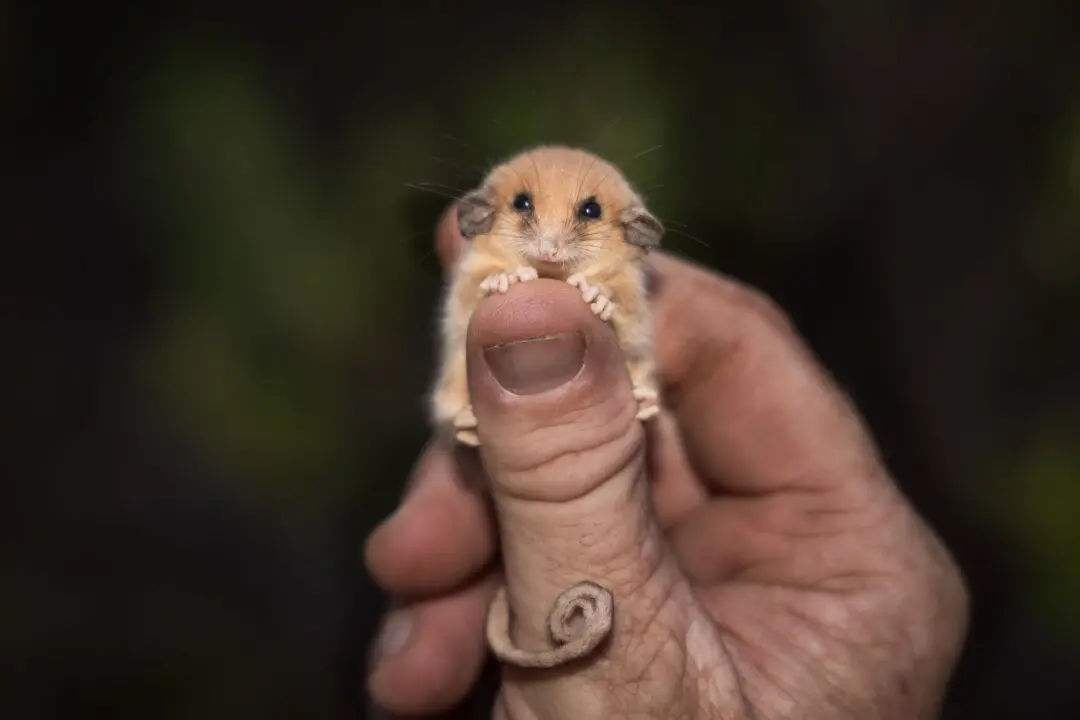
“This project will have massive impacts on biodiversity and threatened species, including the critically endangered orange-bellied parrot, the Tasmanian wedge-tailed eagle and the endangered Tasmanian devil.
“Robbins Island is critical habitat for migratory birds, and has been identified by the Commonwealth as being suitable for an international Ramsar listing.”


Robbins Island sits in the Bass Strait, connected during low tide to mainland Tasmania.
It is one of the state’s largest islands, with a diverse ecological mix including coastal dunes, lagoons, heathlands and wetlands.
The island is privately owned and used for grazing wagyu beef—it has also been slated for a wind farm hosting up to 100 turbines.
Ramsar-listed wetlands are those that are representative, rare or unique or important for conserving biological diversity.
“It is the southern end of the East Asian Australasian flyway, which runs from the Arctic to Tasmania, and is integral to some of the most profound bird migrations in the world,” McKim said.
“Its habitats, landscapes, and seascapes should be protected under international conventions, not exploited for profit by a multinational corporation.”
The population of the Tasmanian devil has shrunk to about 10,000 animals, down from an estimated 150,000 in the 1990s, while the Tasmanian wedge-tailed eagle is considered an endangered species.
Labor Claims Strict Conditions
In announcing the project’s approval in late August, Minister for the Environment and Water Murray Watt said the Australian government had imposed a “comprehensive” set of conditions on the project.This includes three years of studies into the orange-bellied parrot prior to construction, commitment to research of the orange-bellied parrot, and the development of a bat and bird plan before the turbines can start generating.
“This includes the orange-bellied parrot, Tasmanian devil, Tasmanian wedge-tailed eagle, and protected migratory shorebirds.”
Environmental Risks Can be Managed: ACEN
David Pollington, managing director of renewable energy supplier ACEN Australia, says his company’s project can balance renewables development alongside the island’s natural ecosystem.“The decision shows that large, complex projects can be delivered responsibly, balancing overall impacts and conserving biodiversity, with the need for clean energy to address climate change,” he said in a statement.
“It comes at a time when Australia faces a stalling energy transition and looming power shortages as coal exits the system.”
Development of the wind farm would also include the construction of a bridge to the mainland.
The transmission line to connect the project to the grid is following a separate approvals process anticipated to be completed in 2026, allowing the project to start generating power in 2030.