Green Party Leader Elizabeth May says her vote in favour of the Liberal government’s budget was a “mistake” she won’t repeat, calling the recent energy agreement between Ottawa and Alberta a “significant betrayal” of Prime Minister Mark Carney’s promises to her.
“I don’t know if the prime minister lied, but I think he needs to consider what his word means when his word was given,” May said in an interview with The Canadian Press. “He obviously thought getting a deal with Danielle Smith was more important than his word.”
Before May voted in support of the government’s budget, she asked Carney in the House of Commons whether he was committed to the objectives of the Paris Agreement on climate change, which Carney confirmed.
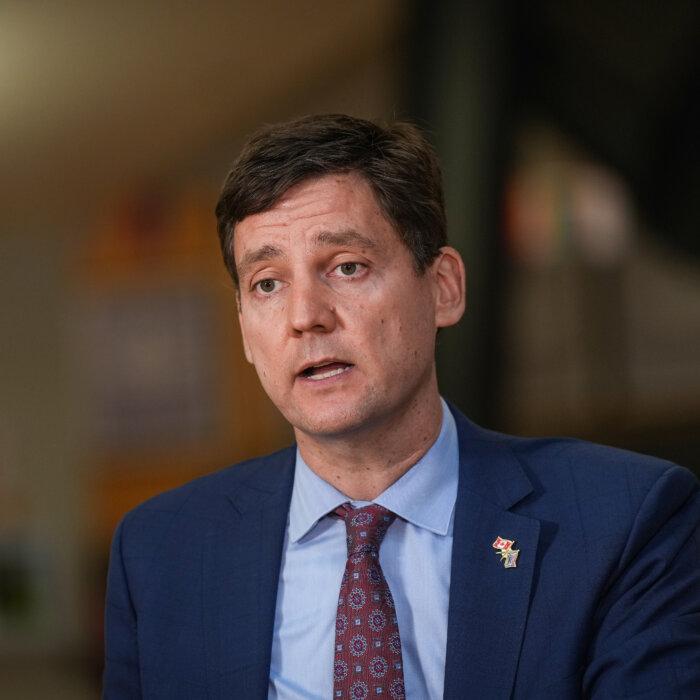
Federal Energy Minister Tim Hodgson said including the tax credits for enhanced oil recovery was important to Alberta, and that the process helps in reducing emissions.
“When you are injecting carbon permanently into the ground and permanently sequestering it, that is a good thing. I think there is a belief that it is a productive thing to do,” Hodgson said. “I would also tell you that would generate one of the fastest and largest responses to use of Canadian steel, in terms of drill pipe, of any particular policy decision that could be made.”
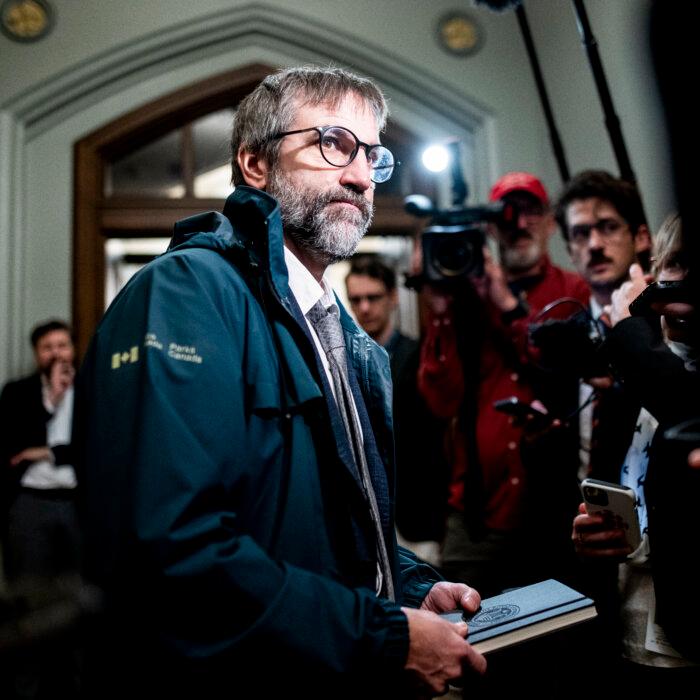
Guilbeault announced he was quitting Carney’s cabinet on Nov. 27 following the announcement of the MOU, saying it was due to environmental concerns over the energy agreement. Guilbeault said that while the deal went too far for him to stay in Carney’s cabinet, he would still stay in the Liberal caucus.For her part, May said she doesn’t regret voting in favour of the budget as she received Carney’s commitment to meet Canada’s Paris Agreement climate goals and that she was “doing what I thought was right.” However, May said she would no longer have confidence in the government going forward or believe its promises to her.
“I kept my word and I voted for confidence in this government. I will not make that mistake again.”
For her part, Smith said that enhanced oil recovery was key for Alberta in moving forward in cooperation with the federal government.
Smith has also said supporting energy projects are crucial for ensuring prosperity for Alberta and Canada.