Greek authorities placed large parts of the country under a very high wildfire warning on July 30 as firefighters continued to battle blazes across the country following the deaths of three firefighters.
The General Secretariat for Civil Protection said a Category 4 (Very High) wildfire risk was forecast for July 31 in Attica, including Kythira, parts of the Peloponnese, Central Greece, the North Aegean, the Cyclades, Crete, Western Greece, and parts of Eastern Macedonia and Thrace, including Samothrace.
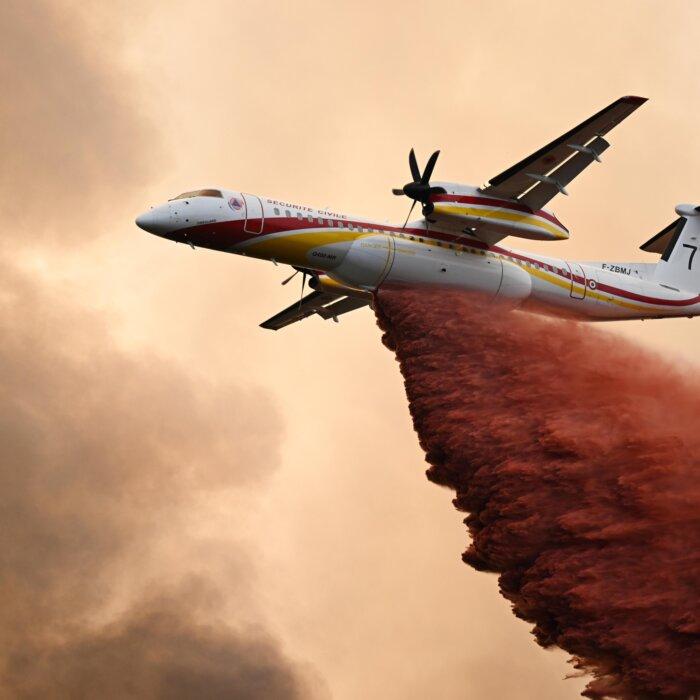
About 125 firefighters, supported by four helicopters and four water-dropping aircraft, were deployed to fight the blaze.
Another firefighter died in a separate fire in the Peloponnese region.
Greece’s governing New Democracy party, in a July 29 post on X, expressed condolences over the death of the two firefighters in Crete.
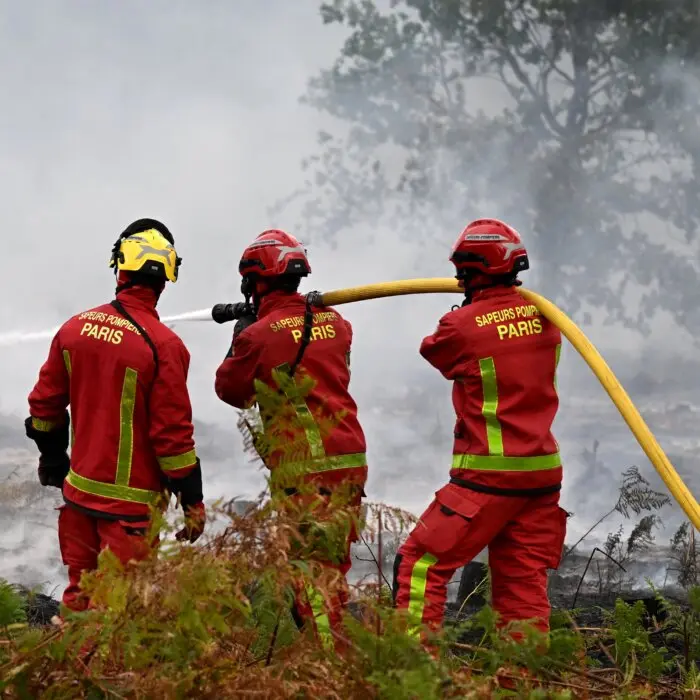
It said that the firefighters had served “with self-sacrifice and a sense of responsibility” while protecting lives and property.
Crete Tightens Restrictions
Authorities in Crete said on July 30 that emergency services had been placed on high alert and additional personnel and equipment had been deployed in preparation for possible fires.
Officials banned activities that could start fires, including burning vegetation, using outdoor barbecues, carrying out work that creates sparks, releasing sky lanterns, and using fireworks.
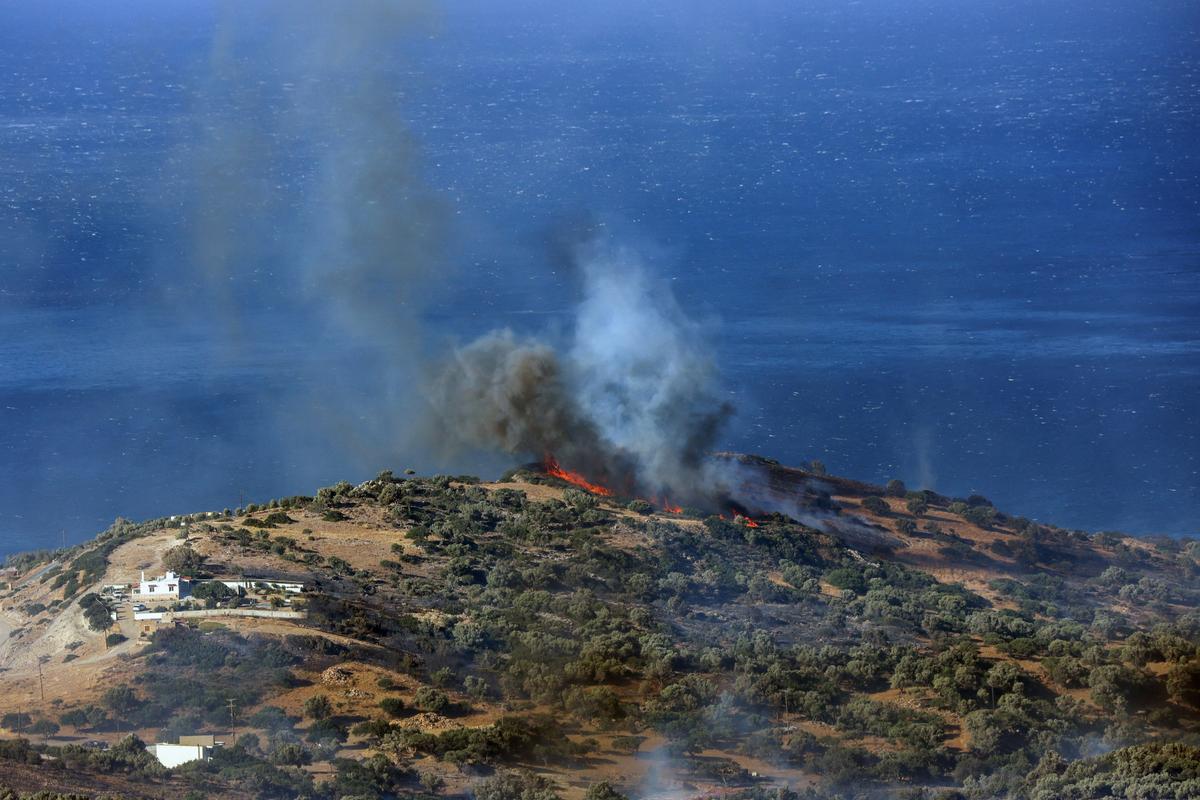
They also restricted access to several forests, gorges, and protected natural areas across the island, although the restrictions do not apply to people who live or work in those areas.
Greece activated the European Union’s Copernicus emergency mapping service on July 30 to provide satellite images and maps to help authorities respond to the wildfire in the Agios Vasileios area of Crete.
Fires in France and Spain
France continued to battle its largest recorded wildfire on July 30 as authorities mobilized additional resources to support firefighters in the Gironde region.
The French National Police said the Interior Ministry had deployed water cannon vehicles normally used for public order operations to help protect homes threatened by the fire, spray the edges of the blaze, and supply water to firefighting vehicles.
French Transport Minister Philippe Tabarot said authorities had fully reopened the A63 motorway south of Bordeaux after conditions on the ground improved.
The road had been partially closed because of the Gironde wildfires. Tabarot said the reopening would ease travel ahead of the busy summer holiday period.
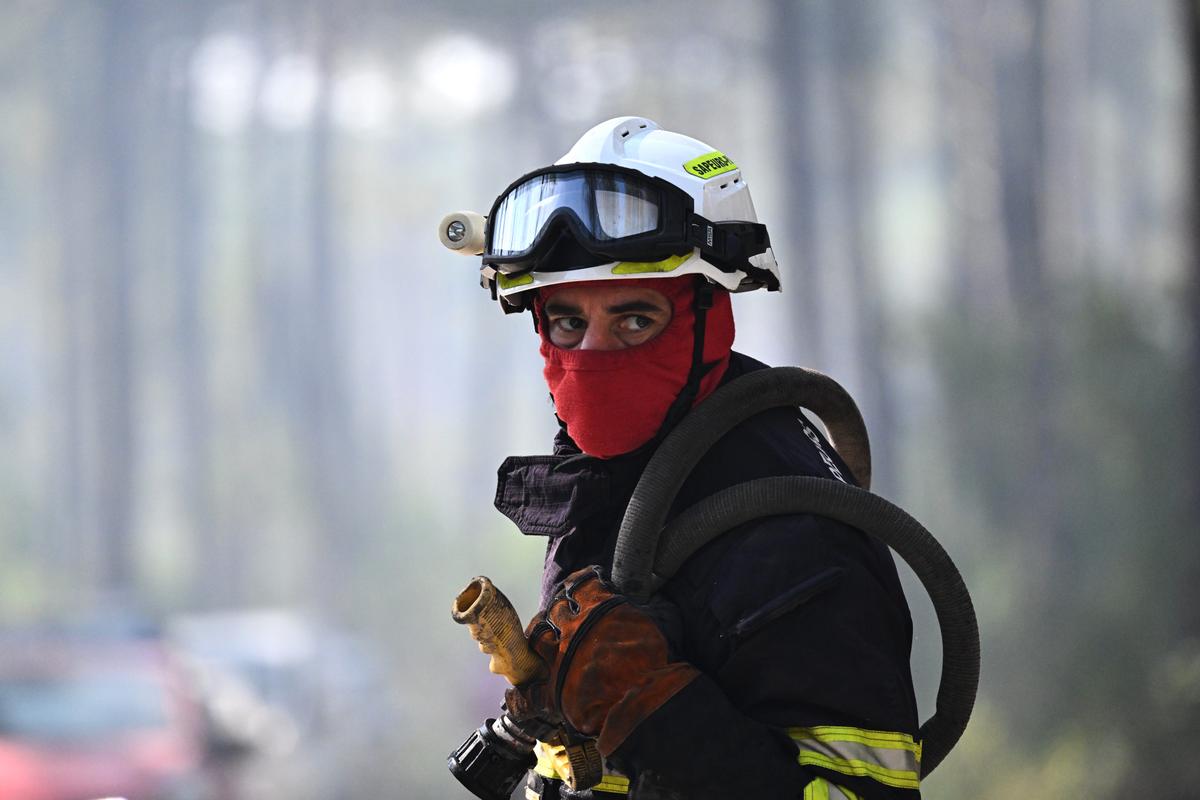
Spanish Prime Minister Pedro Sanchez said in a July 30 post on X that emergency services would remain in the affected areas around Madrid and Ávila despite the national emergency level being reduced.
“We remain on alert due to the heat wave and the extreme risk of fires. ... The emergency continues. Let us exercise the utmost caution,” Sanchez said.
European Union Expands Support
The EU has deployed eight firefighting aircraft from Croatia, Portugal, Sweden, Turkey, and Luxembourg, along with four helicopters from Czechia, Germany, and Slovakia, to help France.
EU’s support for Spain includes six firefighting aircraft from Greece, Italy, and Turkey, one helicopter from Serbia, and 174 personnel with 60 vehicles from Portugal and Serbia.
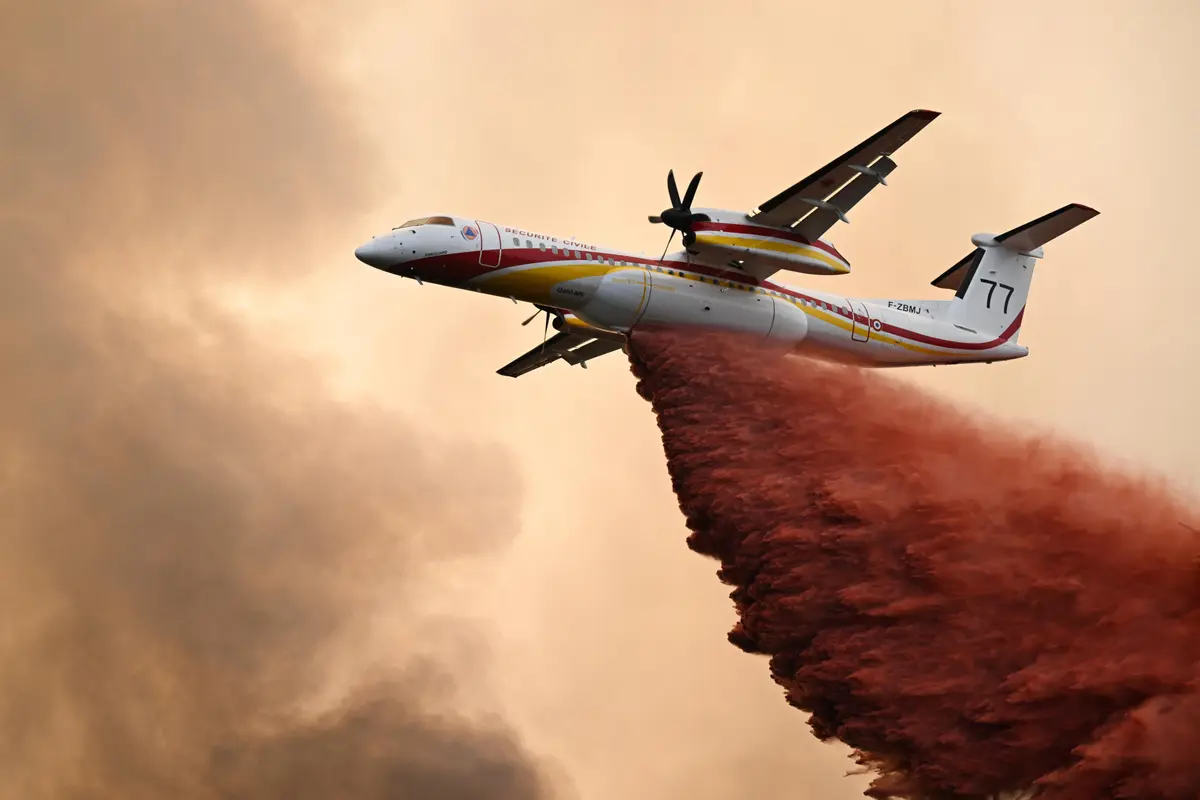
The Commission said it had also pre-positioned 331 firefighters from seven European countries in high-risk areas before the wildfire season began.
European Commission President Ursula von der Leyen said on X on July 29 that Romania and Greece had extended their firefighting missions in France and Spain and that Poland would join the effort.