German Foreign Minister Johann Wadephul said on June 10 that he is optimistic European Union accession negotiations with Ukraine can start soon.
Wadephul was speaking during a joint press conference in Berlin with Hungarian Foreign Minister Anita Orban.
Orban said that she is working to arrange a meeting between Hungarian Prime Minister Peter Magyar and Ukrainian President Volodymyr Zelenskyy.
Magyar, who only recently took the reins in Budapest, has indicated that his country’s previous objections to Ukraine’s accession to the bloc could soon be resolved.
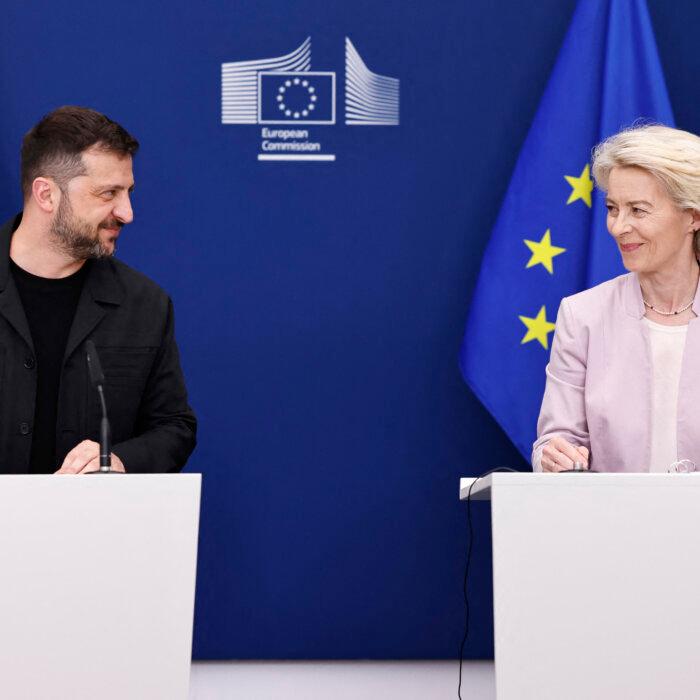
Ukraine is pressing for membership in the 27-member EU after more than four years of war.
All EU members agreed to open talks with Ukraine and Moldova on the first cluster of issues in their accession talks, announced last week.
Ukrainian Prime Minister Yulia Svyrydenko called it “fantastic news” in a June 4 post on X.
“We are one step closer to the EU membership: steadily moving towards our goal,” she said.
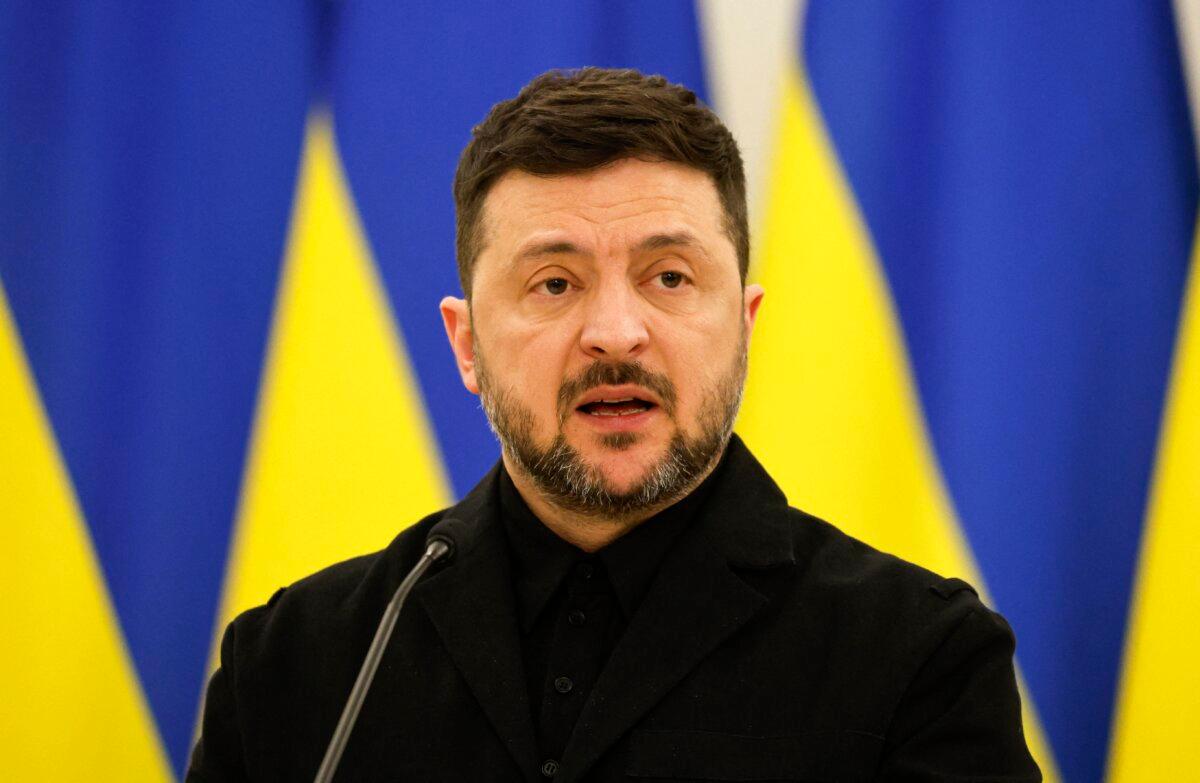
Ukraine has made membership a strategic priority, seeing EU accession as a way to anchor itself more firmly within European political and economic institutions.
Kyiv has long sought EU membership, first expressing its long-term aspiration to join the bloc in 1993, just two years after the Soviet Union broke up and Ukraine became independent.
Ukraine formally applied for membership in February 2022, just days after Russia escalated the ongoing conflict between the countries with a full-scale invasion.
Moldovan President Maia Sandu also welcomed the news, saying that her government was committed to implementing the reforms the EU requires.
All 27 member countries of the bloc voted to begin talks, taking the two eastern European nations, both former republics of the Soviet Union, a step closer to membership.
Joining the EU is a years-long process run by its executive branch, the European Commission (EC), which assesses 35 sets of criteria, including financial systems, transparency, agricultural regulations, and rights, such as freedom of speech and religion.
Ten countries are currently in accession talks with the EC to join the union. According to the EU’s executive branch, the bloc could welcome new members within four years.
Other countries on the long path to joining are Albania, Bosnia and Herzegovina, Georgia, Kosovo, Montenegro, North Macedonia, Serbia, and Turkey.
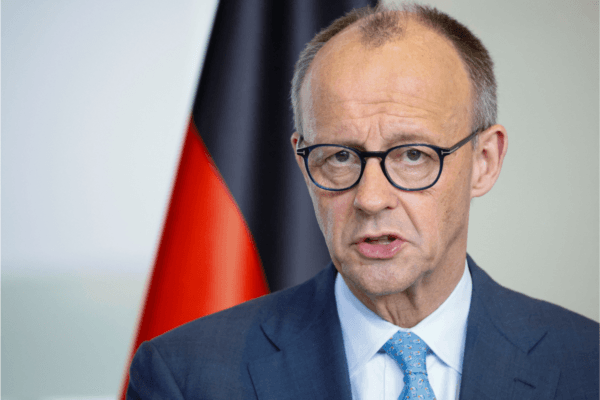
The proposal would create an intermediate stage between candidate status and full membership.
The German leader proposed that EU members commit to applying the bloc’s mutual assistance clause to Ukraine “in order to create a substantial security guarantee.”
Analysts say such a route into the EU could help Zelenskyy sell an unfavorable peace settlement to Ukrainians, particularly if the country does not regain control of all the territory lost to Russia or join the NATO military alliance.
“My proposal reflects Ukraine’s particular situation, a country at war,“ Merz wrote. ”It will help facilitate the ongoing peace talks as part of a negotiated peace solution.”
He said this is “essential not only for Ukraine’s but for the entire continent’s security.”
“The European Union has to show that it is capable of enlarging and willing to enlarge, and we want to discuss that here,” Merz said. “There are, of course, a whole range of questions that we must answer, that we must answer together, but above all else, it must be clear that this part of Europe belongs within the European Union’s future.”