As of Oct. 30, the conservative Party for Freedom (PVV), led by Geert Wilders, and the liberal-centrist D66 party are projected to win 26 seats each in the Dutch House of Representatives.
According to Dutch public broadcaster NOS, 98.6 percent of the vote has been counted following the Oct. 29 election to determine which parties will form a government in the 150-seat Tweede Kamer, the Netherlands’ lower house of parliament.
The Dutch public broadcaster noted that because of the narrow margin, it could take days to determine which of the two parties has the largest number of votes. Postal ballots from overseas Dutch voters could also affect the numbers, and NOS said that the final results might not be known until Nov. 3.
Because all parties in the race fell well short of having an outright majority, some parties will have to negotiate with each other to form a government.
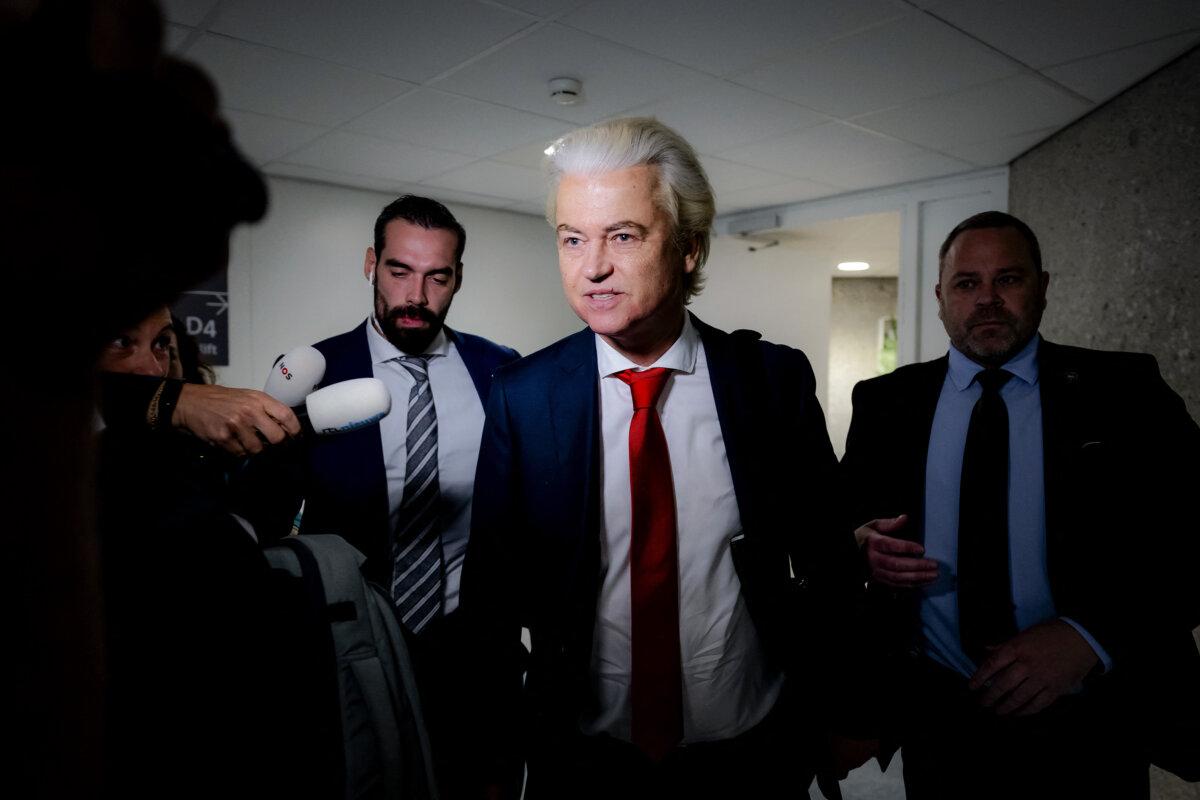
Wilders wrote on X on Oct. 30 that if PVV turns out to be the largest party, it should play a leading role in negotiations for forming a coalition.


Coalition Negotiations
After the election for seats in the lower house is held and all the votes are counted, political party leaders in the Dutch House of Representatives negotiate over which parties can form a coalition government, after which ministers can be selected and the cabinet formed.Those parties not chosen to be part of the coalition government form the opposition.
The 150 MPs in the Dutch lower house are elected every four years, or when the government collapses, which is what occurred earlier this year, triggering the Oct. 29 election.
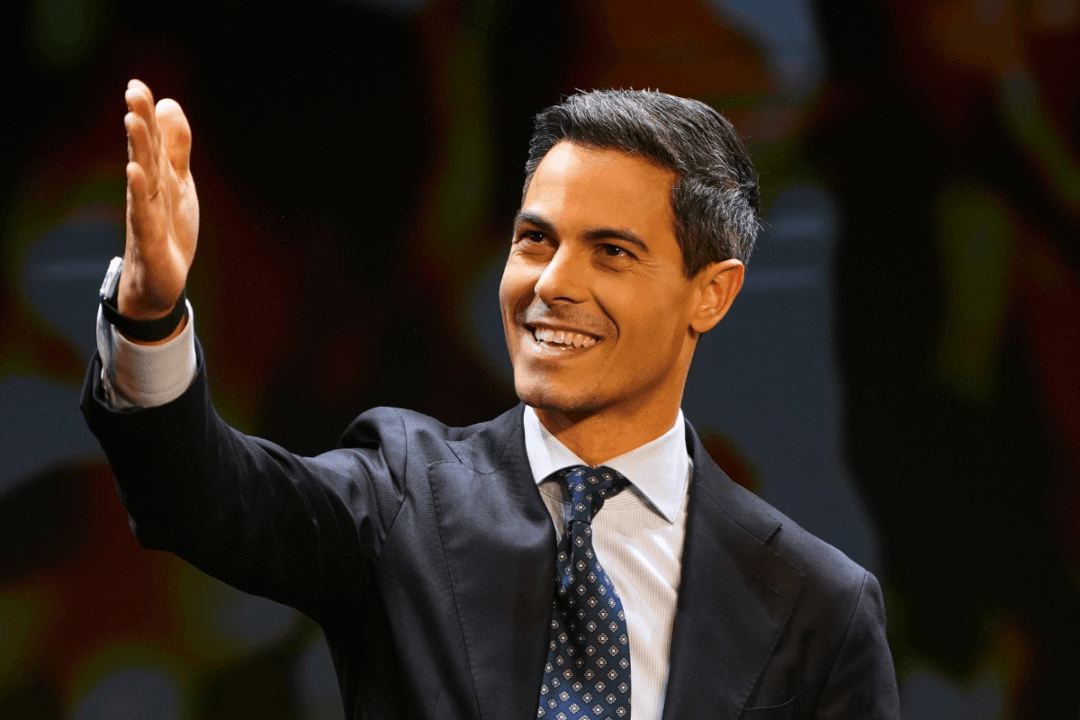
Wilders had asked his coalition partners to sign onto a plan to cut illegal immigration, which included using the army to protect Dutch borders, rejecting all illegal immigrants, sending Syrian refugees back to their country, and closing asylum shelters.
PVV won the most seats in Parliament in the 2023 election with 23 percent of the vote and had reached an agreement with other right-of-center parties, the People’s Party for Freedom and Democracy, the New Social Contract party, and the Farmer–Citizen Movement.
Despite that he is the leader of the largest party, Wilders was not part of the government or a minister. He only managed to reach a deal with the three other parties last year after he agreed not to become prime minister.
Instead, the cabinet was led by unelected career bureaucrat Dick Schoof, who previously led the Dutch intelligence agency AIVD and worked as a senior official at the Ministry of Justice.