G7 foreign ministers and the European Union’s foreign policy chief have called for an immediate halt to attacks in Sudan’s strategic city of el-Obeid, warning that civilians face growing risks as fighting intensifies.
The latest appeal comes as the United States and its international partners step up diplomatic and economic pressure to end Sudan’s civil war, which has entered its fourth year with no political settlement in sight.
The group on July 14 called on the U.N. Security Council to expand the existing arms embargo on Darfur to cover the entire country and called on foreign governments to stop supplying weapons and financial support to the warring sides.
In a joint statement, the G7 ministers urged Sudanese paramilitary group Rapid Support Forces (RSF), the Sudanese Armed Forces (SAF), and allied groups to stop actions that could lead to further atrocities or endanger civilians in el-Obeid, including drone strikes and restrictions on humanitarian aid.
The ministers also called on the groups to comply with international humanitarian law, protect civilians, and allow aid to reach affected communities.
They said they support efforts by the U.N. secretary-general’s personal envoy, Pekka Haavisto, to advance de-escalation in el-Obeid and “ongoing broader efforts by the Quad and the Quintet to achieve a humanitarian truce, followed by a permanent ceasefire and an independent, inclusive, transparent and civilian-led political dialogue.”
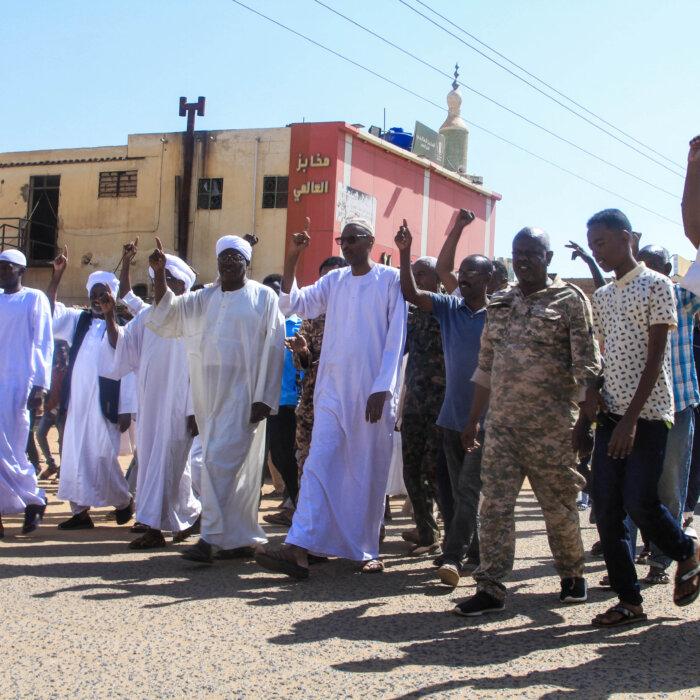
El-Obeid
El-Obeid, the capital of North Kordofan state, is a major commercial and transportation hub linking central Sudan with Darfur.Sudan’s military broke a siege of the city in early 2025 after it was surrounded by the RSF for more than a year. The city also hosts a major air base and an army infantry division.
Nathaniel Raymond, executive director of the Humanitarian Research Lab at the Yale School of Public Health, said last month that the city is important not only because of its military value but also because fighting there could have serious consequences for civilians.
Raymond said an RSF advance could once again threaten both cities, disrupt humanitarian operations, and worsen conditions for civilians across central Sudan.
The city has become a refuge for hundreds of thousands of civilians displaced by fighting elsewhere, including in Darfur. The EU estimates that about 500,000 people are in the city, including roughly 100,000 internally displaced people.Last month, the United Nations warned for weeks that an RSF offensive on el-Obeid could trigger large-scale violence, similar to the violence that devastated el-Fasher in 2025.
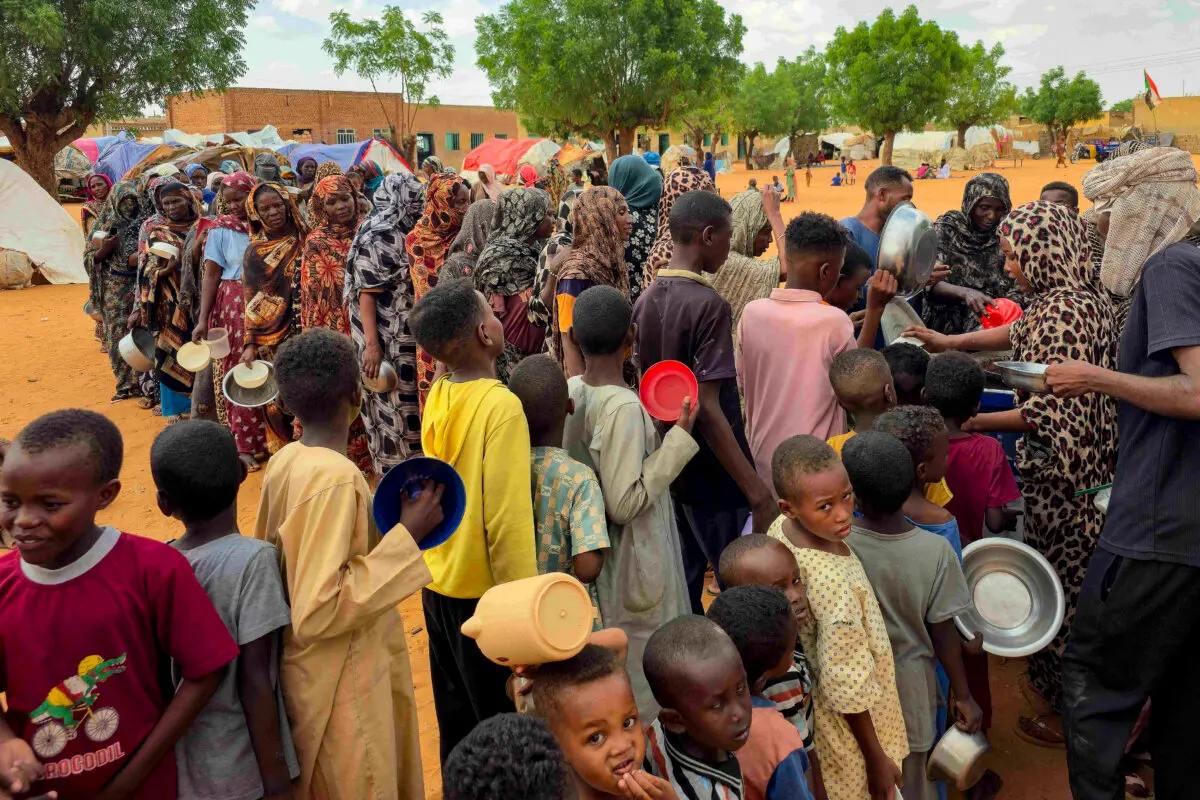
Sudan’s civil war began in April 2023, displacing millions of people. Both the SAF and RSF have been accused by international investigators and human rights organizations of committing serious violations of international humanitarian law, including attacks on civilians, sexual violence, and indiscriminate shelling.
The World Health Organization (WHO) said in October 2025 that it was appalled by reports that the RSF had killed more than 460 patients at a hospital in the western Sudanese city of el-Fasher. The RSF denied the accusations.
Washington Leads Peace Effort
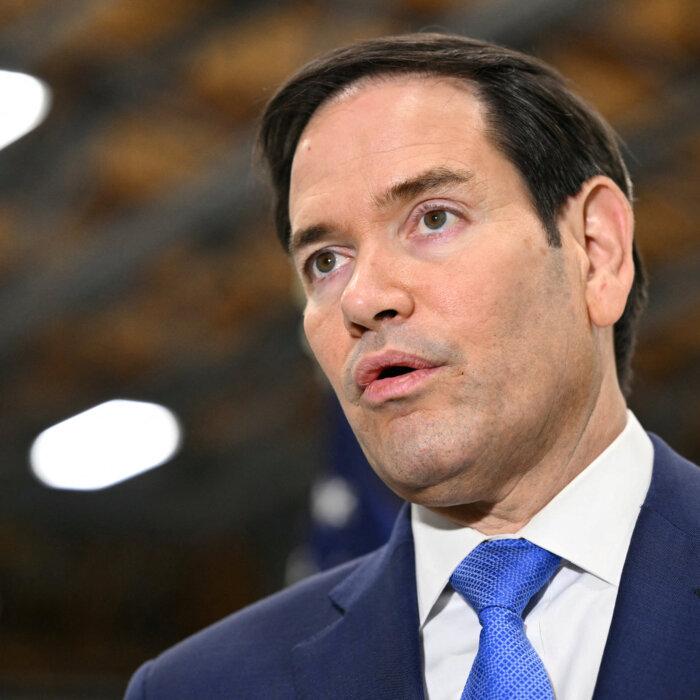
The United States has taken a leading role in recent efforts to de-escalate the conflict. On June 26, the U.S. Treasury sanctioned eight individuals and entities linked to procurement and recruitment networks supporting both the SAF and RSF, saying they had helped prolong the war and worsen Sudan’s humanitarian crisis.“The networks profiting from the conflict in Sudan jeopardize the prospects for the humanitarian truce that the Sudanese people desperately need,” U.S. Treasury Secretary Scott Bessent said.
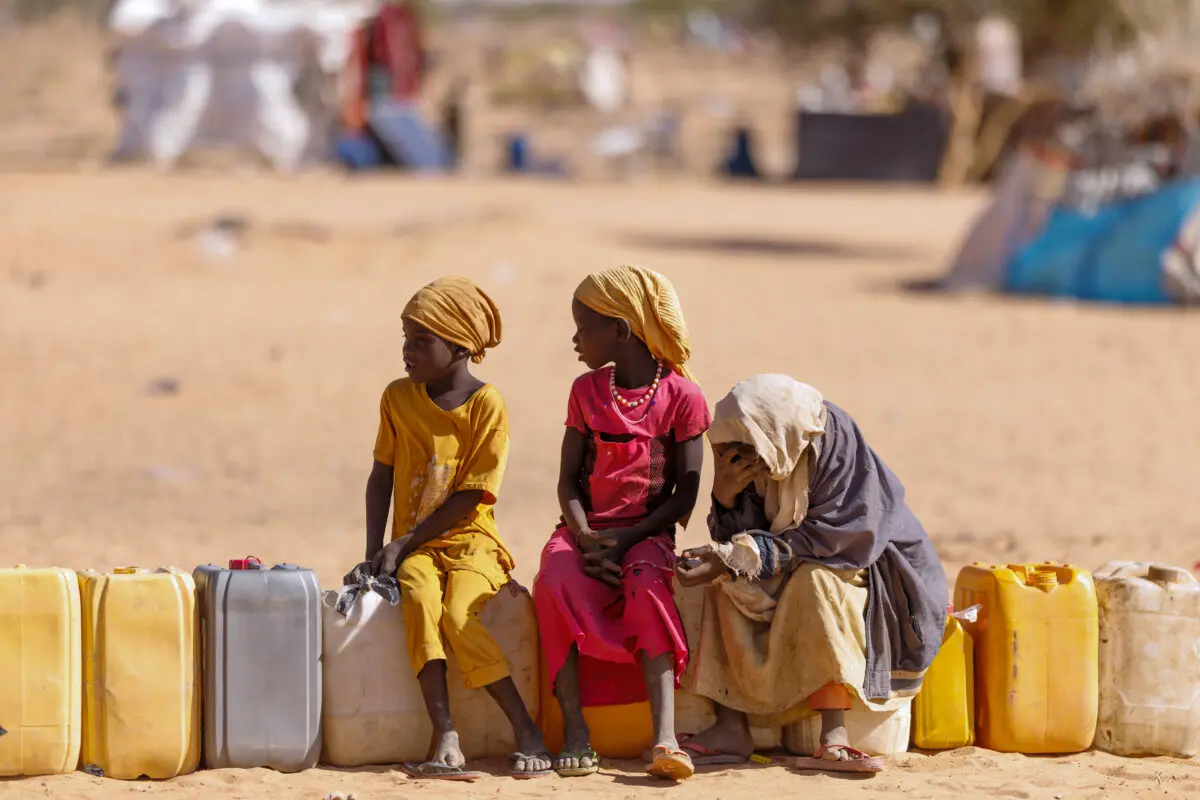
Members of Congress have also urged the groups to return to negotiations.
On July 1, Senate Foreign Relations Committee Chairman Sen. Jim Risch (R-Idaho) and Sen. Chris Coons (D-Del.) warned that an assault on el-Obeid could repeat the atrocities seen in el-Fasher and said there is no military solution to the conflict.