The Group of Seven has affirmed its support for Ukraine and committed to further sanctioning Russia, in a statement that underscores world leaders’ support for Kyiv.
Leaders of the G7 group of leading industrial nations said in a June 17 statement that they have agreed to increase military support by delivering defense equipment, including long-range capabilities and interceptors.
They said they “stand united” in their “unwavering support for Ukraine in defending its freedom, sovereignty, and territorial integrity.”
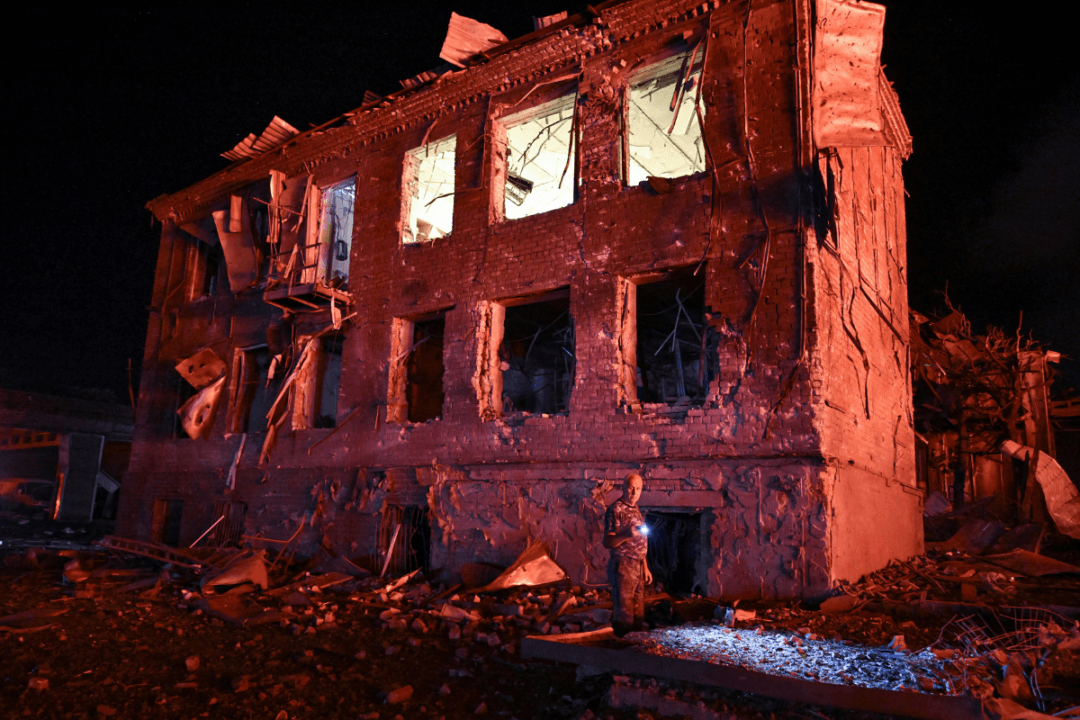
“We reaffirm our solidarity with the Ukrainian population suffering from attacks on their critical infrastructure and cultural heritage,” they said.
They noted that they are committed to increasing pressure on Moscow’s war economy by strengthening sanctions, including those in the gas and oil sectors.
G7 leaders are meeting in the French lakeside resort of Évian-les-Bains between June 15 and June 17 to discuss international issues, including global conflicts and partnerships.
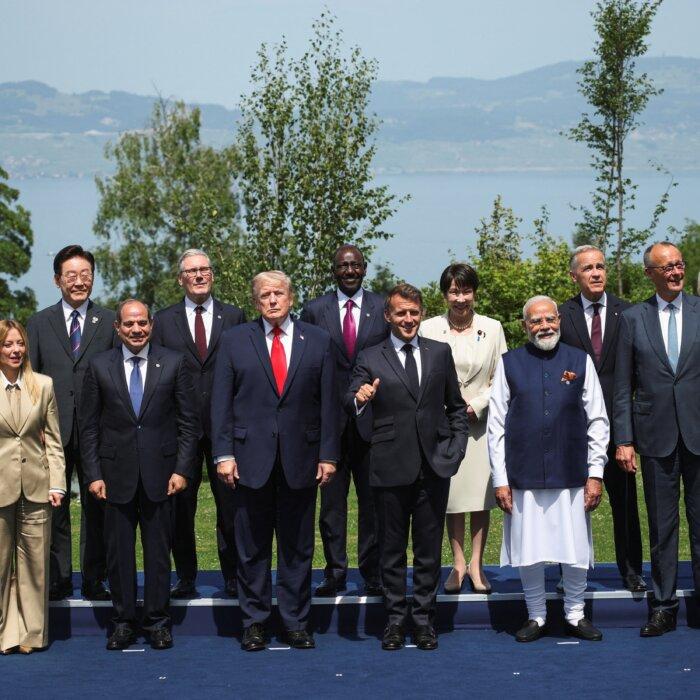
The G7 is made up of Canada, France, Germany, Italy, Japan, the UK, and the United States. Russia became a member of the group in 1997, making it the G8. But following Moscow’s annexation of Crimea in 2014, Russia was suspended from the group, effectively dissolving the G8.
U.S. President Donald Trump on June 16 discussed the possibility of reimposing sanctions on Russian oil shipments, now that the Strait of Hormuz is reopened.
“We took sanctions off because obviously we’re not looking to impede the U.S., so we’re in a position to do that soon.”
‘Iran Will Never Obtain a Nuclear Weapon’
The G7 also welcomed the news of a memorandum of understanding between the United States and Iran, which it said “provides an historic opportunity to prevent Iran from acquiring any nuclear weapon and tackling the threats related to its regional and ballistic activities,” saying that it was ready to contribute to implementing the deal.“We underline the need for the negotiation to this end to address the threats posed by Iran in the region and beyond and ensure that they never obtain a nuclear weapon,” the group said.
“Iran will never obtain a nuclear weapon.”
On June 16, Trump told reporters that preventing Iran from obtaining a nuclear weapon was the agreement’s key aim.
Trump’s remarks came days after U.S. and Iranian negotiators finalized an interim framework intended to halt hostilities and launch a broader diplomatic process to resolve long-standing disputes over Iran’s nuclear activities, sanctions relief, regional security, and maritime access.
On June 17, the U.S. president suggested that the ceasefire agreement was not final, and that the United States could recommence strikes on Iran if need be.
‘Free and Open’ Indo-Pacific
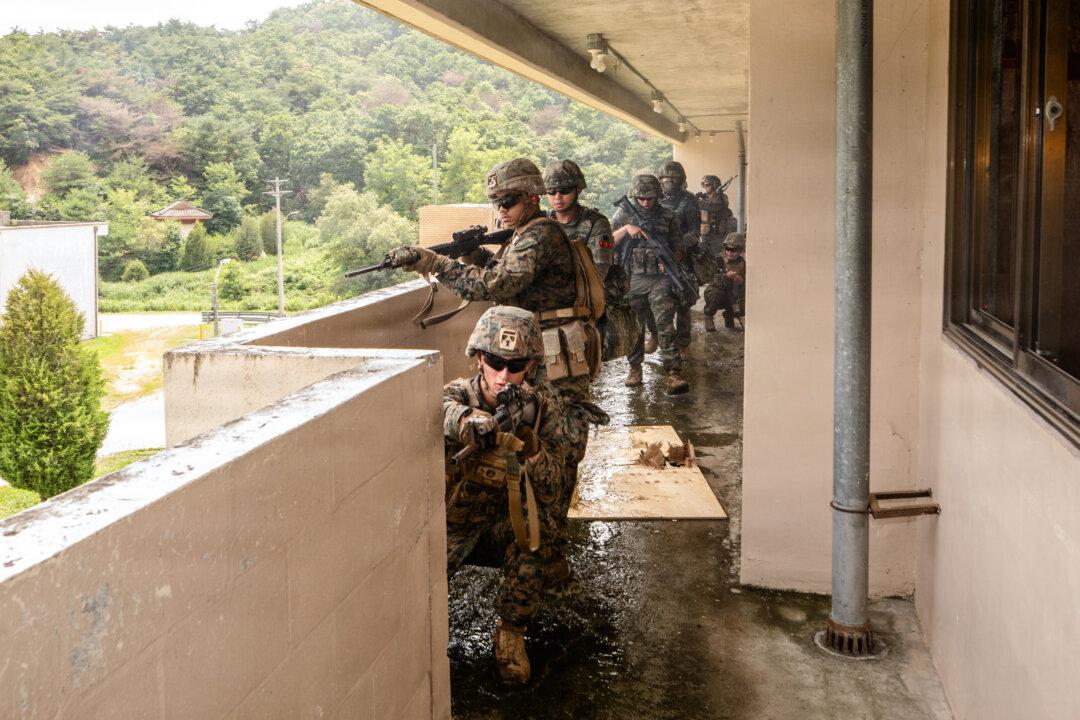
G7 leaders also highlighted “the importance of a free and open Indo-Pacific based on the rule of law.”They reaffirmed their opposition to “any unilateral attempts to change the status quo, in particular by force or coercion, in the East and South China Seas and across the Taiwan Strait, which should only be resolved peacefully through dialogue.”
Although the statement does not mention China by name in relation to the situation in the Indo-Pacific, Beijing has intensified its maritime activities in the region, putting security pressures on neighbors, including Japan and the island democracy of Taiwan.
Trump and Japanese Prime Minister Sanae Takaichi had a brief talk on the sidelines of the G7 on June 16, according to a readout from the Japanese Ministry of Foreign Affairs.
The ministry said that the two had “exchanged views on the situation in the Indo-Pacific region, including China,” and that they would continue to maintain close communication in relation to responding to developments in the region.
Last month, the Chinese Ministry of Foreign Affairs called on nations in the Asia-Pacific to be vigilant and resist actions of Japan’s “neo-militarism.”