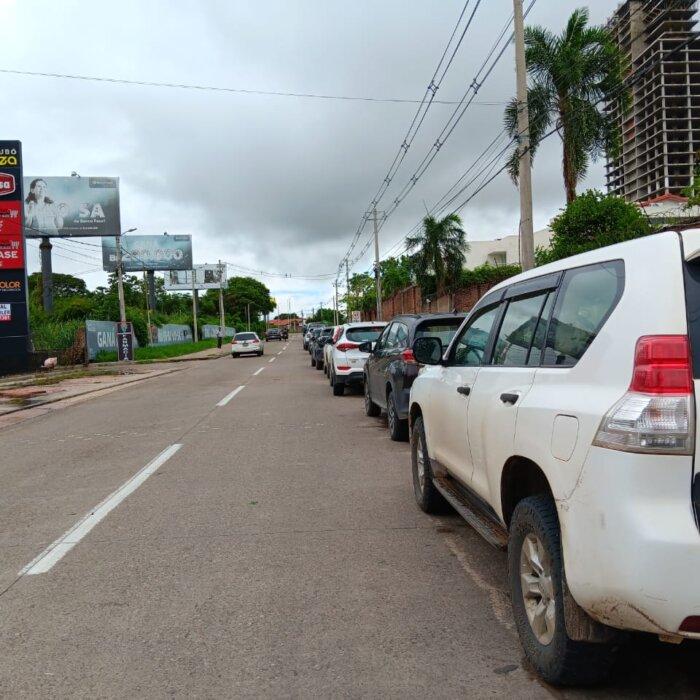
After more than two months of respite, Bolivia’s fuel shortages have returned just in time for the nation’s historic runoff election on Oct. 19. Hours spent in lines at fill-up stations across the country for gasoline and diesel have stranded entire populations and raised fears among voters eager to reach the polling stations for Sunday’s election.
Despite government assurances that fuel supplies for electoral operations are “guaranteed” through an agreement with state energy firm YPFB, long lines at service stations in major cities persist due to shortages. Presidential candidate Rodrigo Paz has accused the current administration of President Luis Arce and the Movement for Socialism (MAS), which has been the country’s ruling party for nearly 20 years, of hiding fuel to sow ”unrest” ahead of the election.
Alejandro Quiroga, a volunteer for Tuto’s campaign, told The Epoch Times the presidential candidate has warned for “years and years” that the nation was heading toward its current crisis, particularly with oil and gas.
“We became a country of producing gas and selling it, to a country that’s only transporting it,” Quiroga said.
Arce has denied any wrongdoing in relation to the shortages, attributing the fuel crisis to Bolivia’s ongoing lack of foreign currency and legislative delays to approve new loans for fuel imports.
Speaking to the press Oct. 13, Arce blamed a “financial blockade” on the part of the Bolivian legislature, which has not approved new loans for importing fuel at the time of this report.
“Many told us there is no fuel. Yes, there is no fuel because there are no dollars. Why are there no dollars? Because there are no loans,” Arce said.
The Epoch Times did not receive a response to a request for comment from the Vice Ministry of Communication and the YPFB by the time of publication.

The MAS presidential candidate lost in the first round of elections in August. The party originally came to power with former President Evo Morales in 2006. For the past two years, the MAS has been torn by infighting under Arce’s leadership due to divergent political views and the disqualified Morales’s desire to run for an unconstitutional 4th term in office.
Suspicions of Government Fuel Hoarding
After experiencing a normalized fuel supply for weeks, some residents agree with Paz and said they believe the timing for the country’s latest round of shortages isn’t a coincidence.“We’ve had a foreign currency shortage in Bolivia for years. We’ve had fuel shortages off and on for many months, but this government knew this [runoff] election would happen since August. They had time to plan. Fuel supplies were normal, but now there’s no fuel right before the election?” Alejandro Bouche told The Epoch Times.
Sitting in a sliver of shade next to his car to avoid the hot sun, Santa Cruz resident Bouche said he planned to wait “for as long as it takes” to get his gas tank filled. His sister took the family’s other vehicle to a different station. They texted each other line updates via WhatsApp.
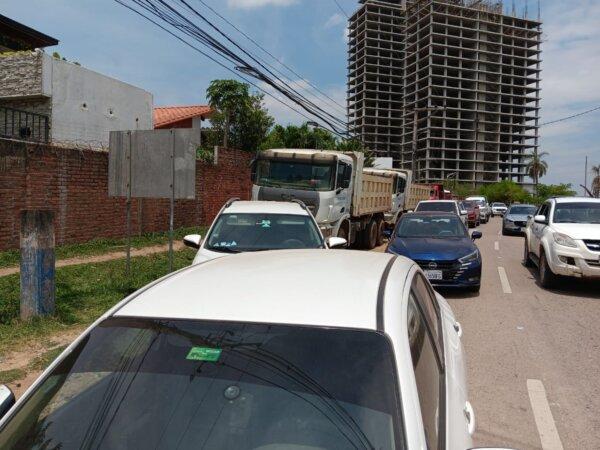
“Everyone creates [WhatsApp] groups to keep friends and family informed on the lines. Sometimes a gas station will get a shipment unexpectedly, and it increases your chances of getting a full tank,” Bouche said.
In the municipality of Porongo, a gas station attendant who asked to be referred to by his first name, Marco, told The Epoch Times that he and other station workers have suspected something was wrong with the fuel delivery schedule for months.
“When the government says they are sending trucks with, say, 50,000 liters of gasoline or diesel, less than that will arrive at the stations sometimes. It’s not the first time I’ve noticed. No one knows why, but the numbers don’t always add up,” Marco said.
Like everyone waiting in fuel lines, he tries to keep his family informed when supply trucks are coming. “It’s hard, though. They'll tell us that a [fuel] truck will come by 4 a.m., but sometimes it arrives hours later. There’s no way to know anymore.”
Since the latest round of shortages began, Marco said fuel truck shipments rarely fill underground storage tanks.
Getting to the Polls
When asked if he thought the shortages would impact Bolivians’ ability to vote on Sunday, Marco said, “Absolutely. Everything and everyone is affected.”Bouche shared similar sentiments about getting out to vote. “Even if you live in the city, the nearest place to vote can be far. Santa Cruz isn’t a village,” he said.
“The real problem is people are traveling right now to reach the polls. How can they do this if they’re sitting in the gas lines?”
Only authorized vehicles are allowed to circulate during an election. Thus, residents generally stay with family or travel to where they can access a voting location in their department.
Bouche and Marco agree that traveling ahead of the election is critical for voter access because residents must cast their ballots in the departments where they are registered.
“People who live in rural areas or are traveling will be affected the most,” Bolivian attorney Benjamin Torres told The Epoch Times.
Torres is one of the lucky ones who managed to secure a flight from Cochabamba back to Santa Cruz, where he’s registered to vote, before domestic airline and bus tickets sold out.
“I know people who are stranded in other cities either for work or [to visit] family, and planned to return ahead of the election when the fuel lines began again last week,” he said. “Once the cars started lining up, plane and bus tickets sold out fast.”
“Not ensuring the fuel supply ahead of the election is criminal,” Torres said. He said whoever wins on Sunday needs to get busy “cleaning house” and rid the country of corrupt officials.
Torres said the government’s control of the nation’s natural resources has brought “nothing but misery to the people.”