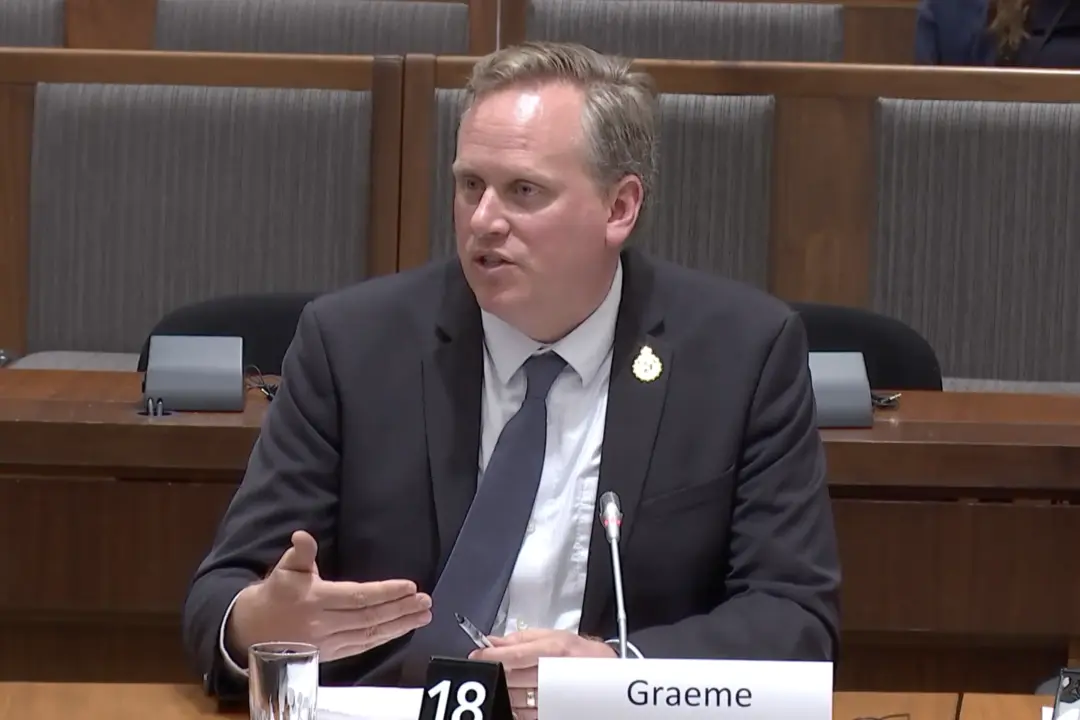
A senior public safety official told MPs the foreign influence registry will be implemented soon, two years after legislation to address foreign interference in Canada became law.
Aubertin-Giguère told MPs the implementation of the registry is “close to the finish line,” but said he is not in a position to provide specific timelines.
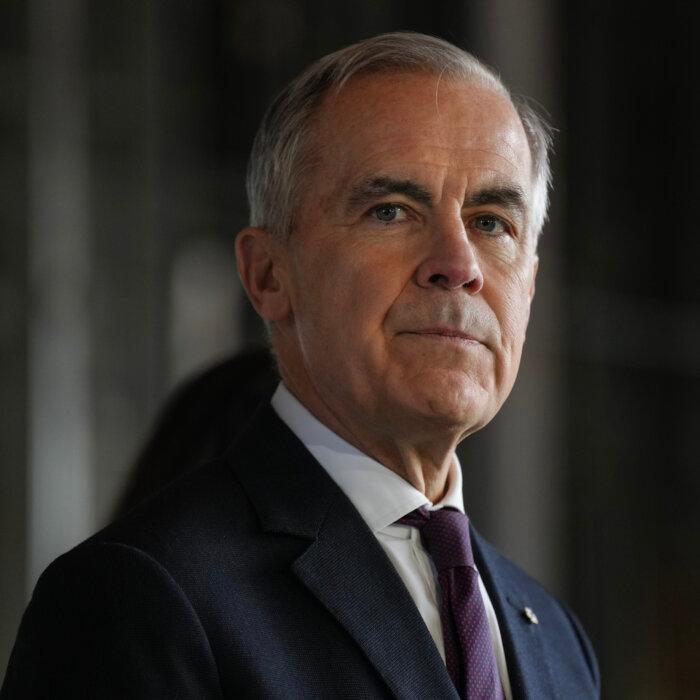
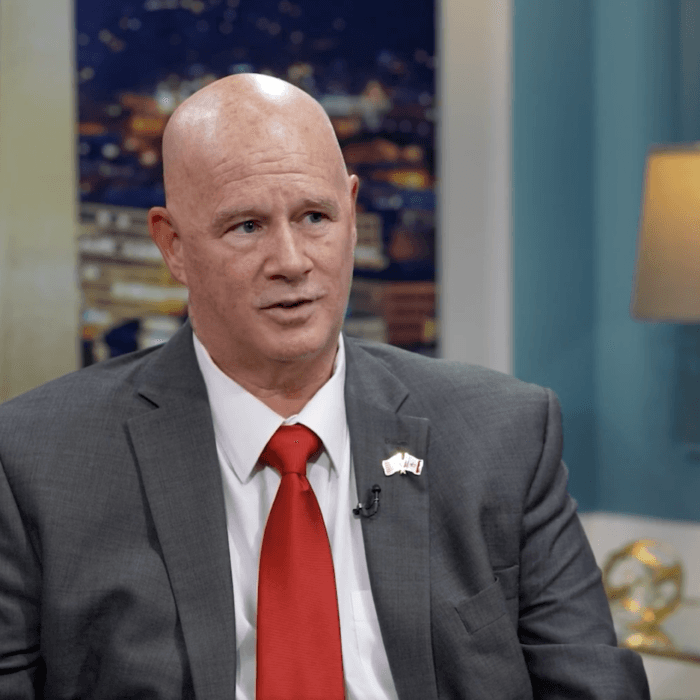
Boegman and Public Safety Minister Gary Anandasangaree were also invited to appear before the committee but were not available, MPs on the committee said.
Conservative MP Michael Cooper, who serves as his party’s democratic reform critic, pressed Aubertin-Giguère for an estimate on when the registry will be up and running.
“The only thing I can say is that we’re very, very close to the finish line,” Aubertin-Giguère said.
“Now it’s almost summer, and we still don’t have a registry in place, and there has been no timeline, no transparency from the minister as to when that is going to happen,” Cooper said. “How often are you in contact with the Minister of Public Safety regarding setting up the registry?”
Aubertin-Giguère said his team briefs the minister’s office on a weekly basis, but “can’t remember” the last time he spoke to the minister directly about the registry.
Regulations
The government proposed regulations for the registry in January, including what information individuals and organizations would be required to provide to the registry when entering into arrangements with foreign entities to influence political or government activities in Canada.The proposed regulations also set out how the commissioner would administer the registration scheme, including through notices, monetary fines, and criminal penalties in the most serious cases. The proposed monetary penalties ranged from $50 to $1 million for violations of rules under the registry.
Such violations could include failing to provide information within 14 days of entering into an agreement with a foreign entity, or knowingly providing false or misleading information to the commissioner.
Aubertin-Giguère told MPs the government received 154 individual comments on the proposed regulations during its consultation period, which ended in early February. He said the feedback is informing the government’s revisions to the regulations.
A repeated concern was that the proposed monetary penalties were too low, he said, noting that even the upper limit of $1 million was deemed to not be a strong enough deterrent for wealthy entities.
Human Rights Groups
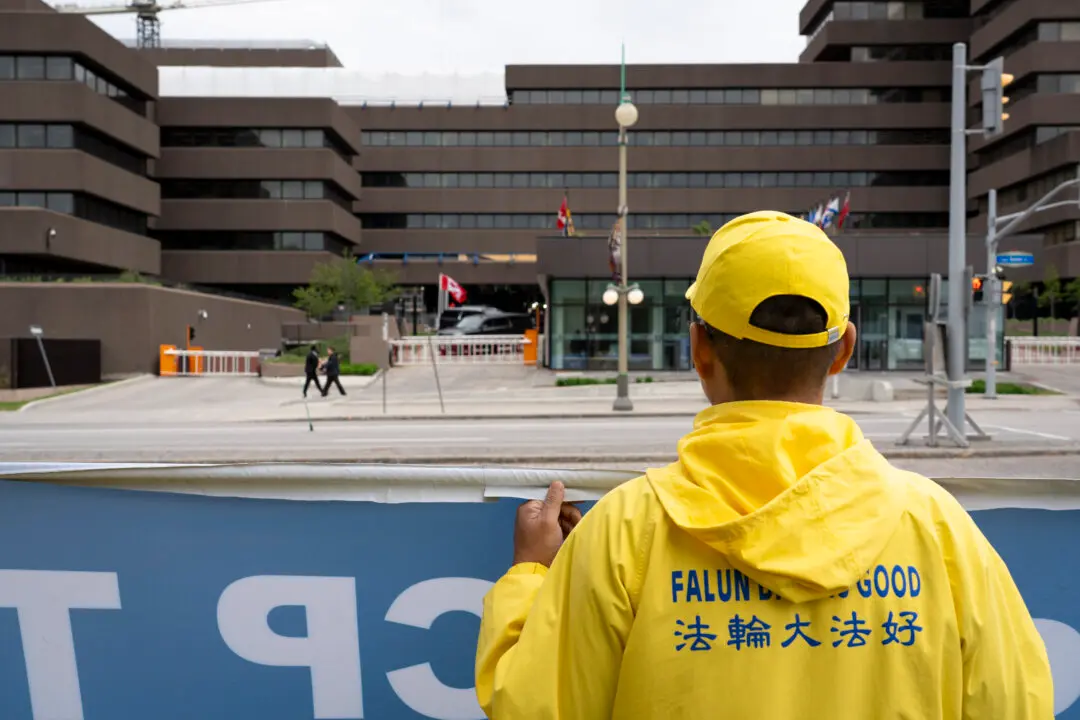
A coalition of 33 human rights organizations recently called on Ottawa to “fully implement” the foreign influence transparency registry and finalize the appointment of its commissioner, arguing that two years after Bill C-70s passage, key elements of the regime remain incomplete.
The organizations made the request in a letter to Prime Minister Mark Carney on behalf of the Canadian Coalition for a Foreign Influence Transparency Registry and the Human Rights Action Group.The groups recommended that the government finalizes and publishes the transparency regime’s regulations as soon as possible, and make efforts to build and maintain “institutional knowledge” on foreign interference and transnational repression, including through stronger engagement with affected communities.
The groups also urged the prime minister to ensure both the commissioner and the Office of the National Counter Foreign Interference Coordinator are “adequately resourced” to fulfill their mandates, and to avoid further delays in finalizing Boegman’s appointment.
Gloria Fung, co-convenor of the Canadian Coalition for a Foreign Influence Transparency Registry, said there are “signs of resurgence of foreign interference from identified active players in Canada” and the government needs to take “immediate steps” to implement the registry and finalize the commissioner’s appointment.