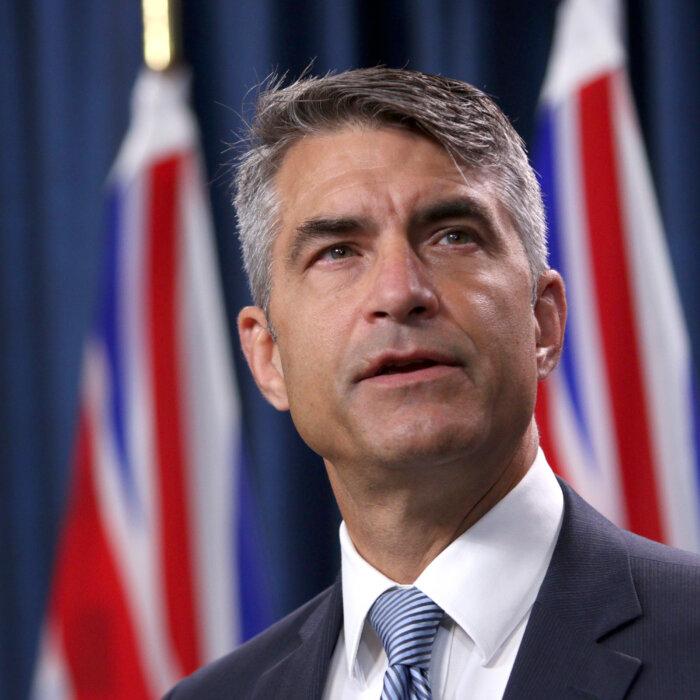
Former B.C. chief electoral officer Anton Boegman has been named as Canada’s first Foreign Influence Transparency Commissioner (FITC) after receiving approval from both Houses of Parliament.
Public Safety Minister Gary Anandasangaree said Boegman’s upcoming appointment follows a parliamentary consultation during which his candidacy was approved by both the House of Commons and the Senate.
“Mr. Boegman will provide strong leadership in our efforts to increase transparency around foreign influence, including the management and oversight of a registry of foreign influence activities,” Anandasangaree said in a press release. “By promoting openness and increasing public awareness, these measures will increase the public’s confidence in our processes and better protect against harmful foreign interference.”
The ministry said Boegman was selected based on his “extensive experience” in electoral processes after serving as the chief electoral officer of British Columbia from 2018 to 2025. He is also a former naval officer.
The Liberal government announced its intention to appoint Boegman as commissioner in late January and he was then vetted by the House of Commons procedure and House affairs committee last month.
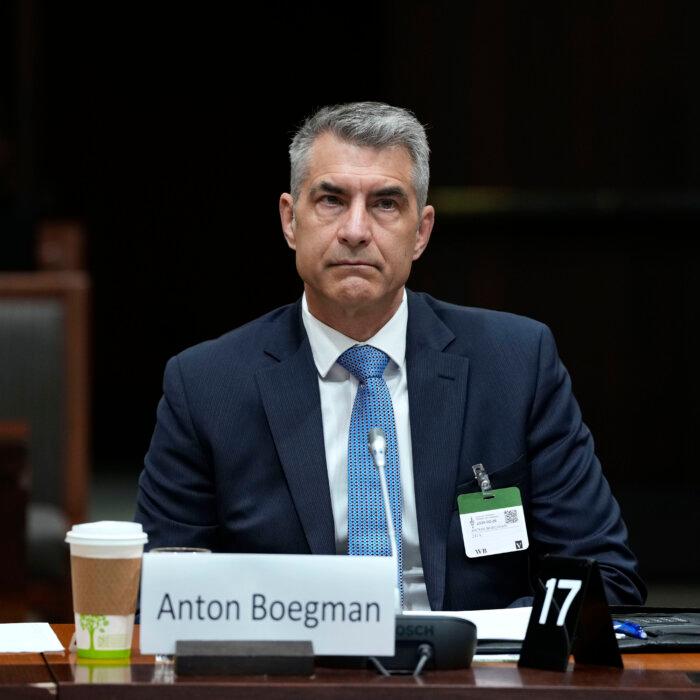
He told the committee during testimony on Feb. 26 that his previous experience has equipped him to carry out the responsibilities of the foreign influence transparency office, and to foster partnerships and information-sharing channels with law enforcement and other agencies, such as CSIS, to efficiently enforce the registry’s regulations.
The government has had a candidate for the role of commissioner on the back burner since at least last fall. Public Safety Canada said in a statement to The Epoch Times in October that the department had “a name” in mind for the role, and looked forward to “presenting that name to the opposition” and conducting the appropriate consultations in the coming days.
Boegman’s appointment may be imminent but there are still several tasks that need to be addressed before he can fully assume his responsibilities, Public Safety Canada said.
“The appointment of the Commissioner can only be made after…the coming into force of FITAA and associated regulations; and the establishment of the Commissioner’s office, including the registry,” the ministry said.
A Public Safety Ministry spokesperson said in a statement that staff must be hired for the commissioner’s office, and a secure IT solution must be developed and put into action before the foreign interference registry can be launched.
Foreign Registry
Canada’s foreign agent registry is part of a broader set of initiatives detailed in the Foreign Influence Transparency and Accountability Act (FITAA) of 2024, which seeks to address foreign interference.The registry will document the names of individuals or entities that operate under the direction of a foreign government.
The commissioner may remain in office for a maximum of seven years and is eligible for reappointment for an additional term, also lasting a maximum of seven years.
Other G7 countries have long maintained a foreign influence registry. The United States has had a foreign agent registry since 1938. Australia established one in 2018 and Britain followed suit in 2023.