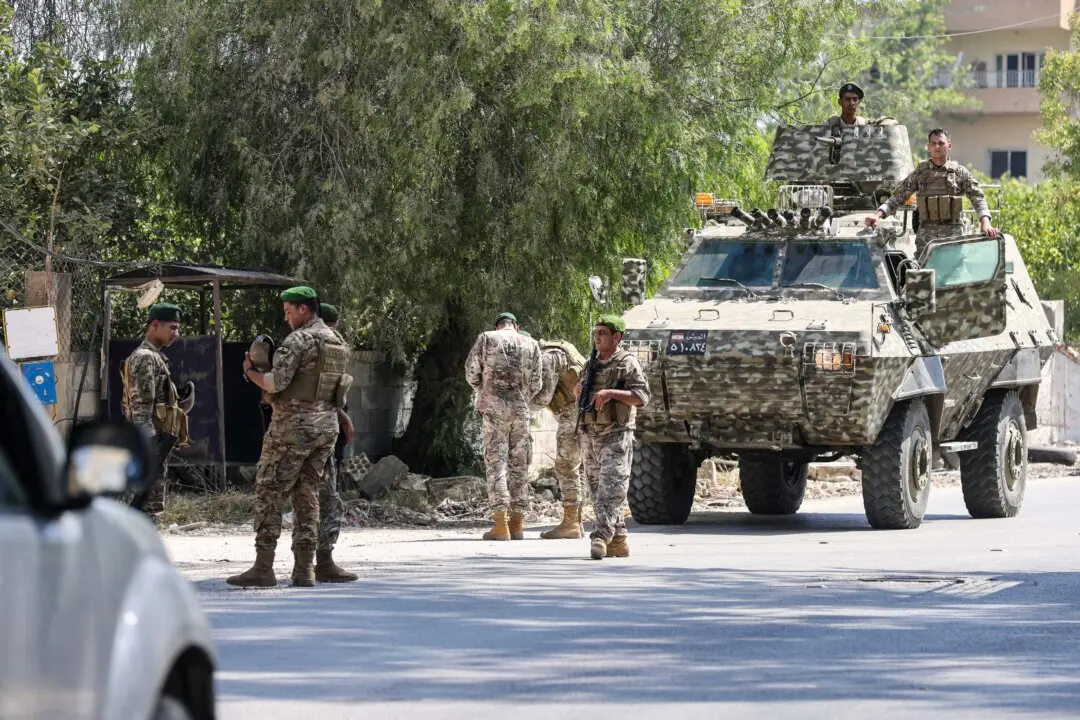
Finnish lawmakers have voted to remove a decades-old ban on nuclear weapons, a move supporters said will strengthen the country’s security and bring its laws into line with NATO’s nuclear deterrence policy.
The June 17 vote amends Finland’s Nuclear Energy Act, which since 1987 has prohibited the import, manufacture, possession, and detonation of nuclear explosives on Finnish territory. The bill now moves to the president for final approval.
This marks another step in Finland’s rapid transformation from a militarily non-aligned nation into a frontline NATO member.
Finnish Defense Minister Antti Hakkanen welcomed the outcome shortly after the vote.
“Parliament approved the amendment to the Nuclear Energy Act with a strong two-thirds majority,” Hakkanen wrote in a June 17 post on X. “This historic reform strengthens the security of Finland and all of NATO.”
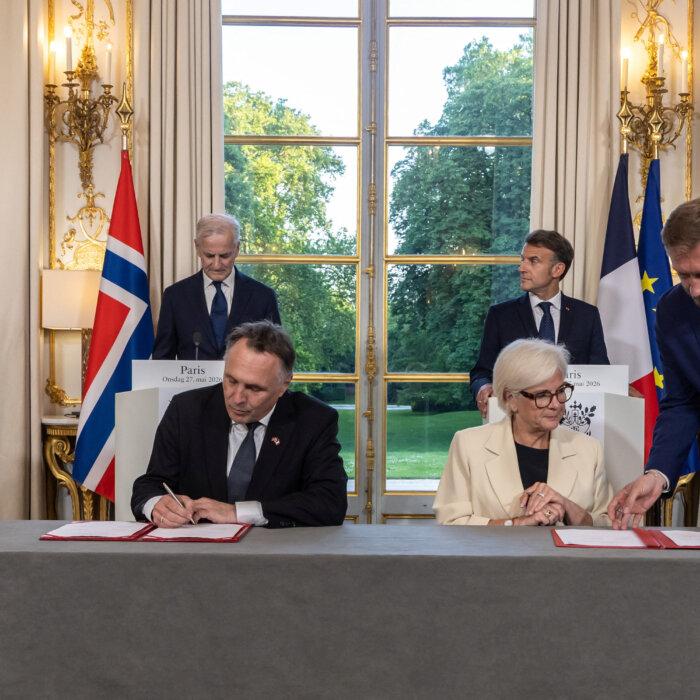

Hakkanen said the issue had been among the most challenging matters handled by the Finnish Ministry of Defence during the current parliamentary term and followed years of studies, consultations with NATO allies and assessments of Finland’s security needs.
Ahead of the vote, he said that Finland needed to remove what he described as a Cold War-era restriction.
“By dismantling the Cold War-era total ban on nuclear explosives, we are aligning our legislation with that of our closest NATO allies,” he said in a June 16 post on X.
Peacetime Deployment
Finnish President Alexander Stubb has supported closer integration with NATO’s deterrence policy but has sought to reassure Finns that the legislative change does not mean the country intends to host nuclear weapons.Speaking on March 13, Stubb said Finland wants to benefit fully from the security guarantees provided by NATO membership.
“Finland does not intend, in the future either, to station nuclear weapons on its territory; thus Finland will not become a nuclear-weapon state,” Stubb said.

He also said Finland remains committed to international agreements supporting nuclear disarmament and wants to maintain close cooperation with Nordic allies on nuclear policy.
“Finland’s nuclear weapons policy is not against anyone, but in favor of our security,” Stubb said.
His comments reflected a position shared by several Nordic countries that support NATO’s nuclear deterrence while avoiding the peacetime deployment of nuclear weapons on their territory.
Earlier in March, the Kremlin said it would respond if Finland placed nuclear weapons on its territory and that such a move would make the Nordic country more vulnerable.
Europe Reassesses Nuclear Deterrence
The Finnish vote comes as several European governments revisit defense policy amid continued concerns about Russia’s military posture and uncertainty over long-term security conditions on the continent.France and Germany announced in March that they would deepen cooperation on nuclear deterrence.
The two countries said Germany would begin participating in French nuclear exercises and that both sides would expand cooperation with European partners on conventional military capabilities.

The plan that could allow France to temporarily deploy nuclear-capable aircraft to allied countries during a crisis, but France would keep full control over its nuclear weapons and any decisions on their use.
US Glide Bombs
The parliamentary vote coincided with Finland’s broader military modernization effort.The Finnish Ministry of Defence said on June 18 that Finland would acquire GBU-53 Small Diameter Bomb II glide bombs from the United States for its F-35 fighter fleet.
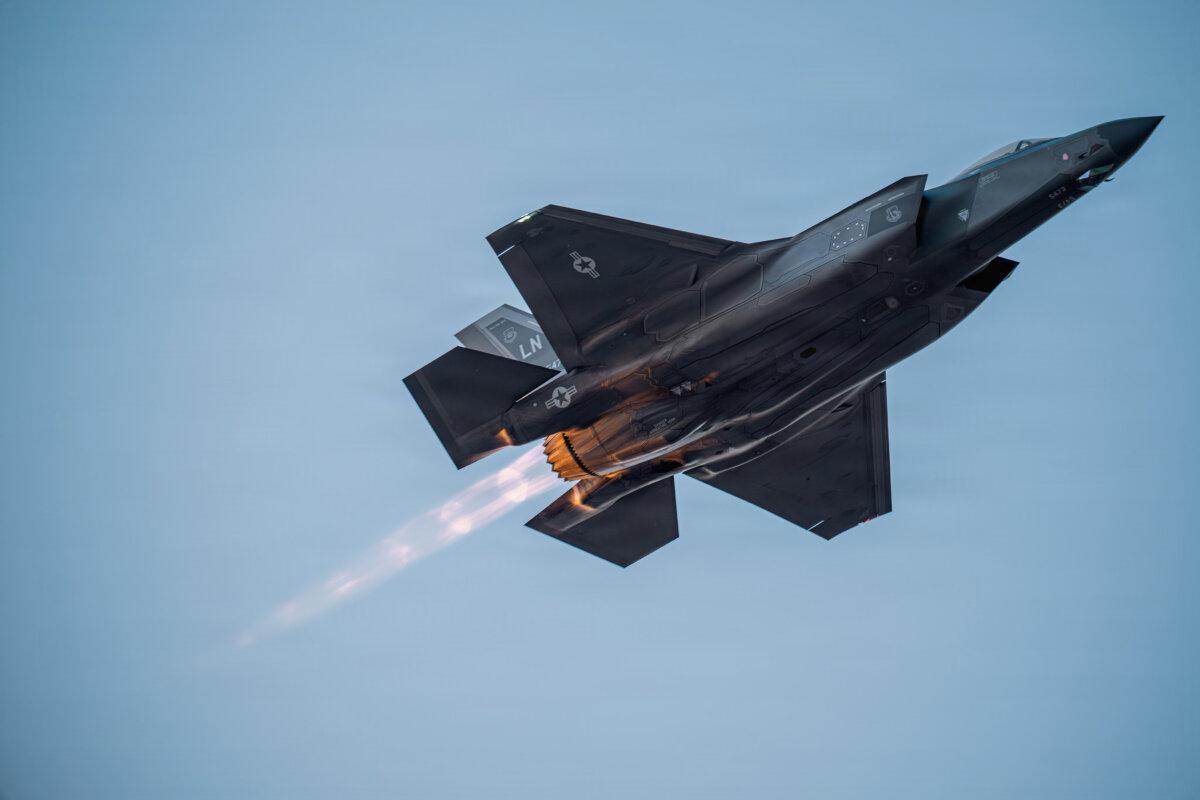
Hakkanen said the weapons would strengthen Finland’s military capabilities and improve the effectiveness of the country’s future F-35 aircraft.
The acquisition forms part of Finland’s wider effort to strengthen its defense forces following its NATO accession.
Helsinki signed a defense pact with Washington in 2024, allowing the United States to use 15 of Finland’s military facilities and zones.