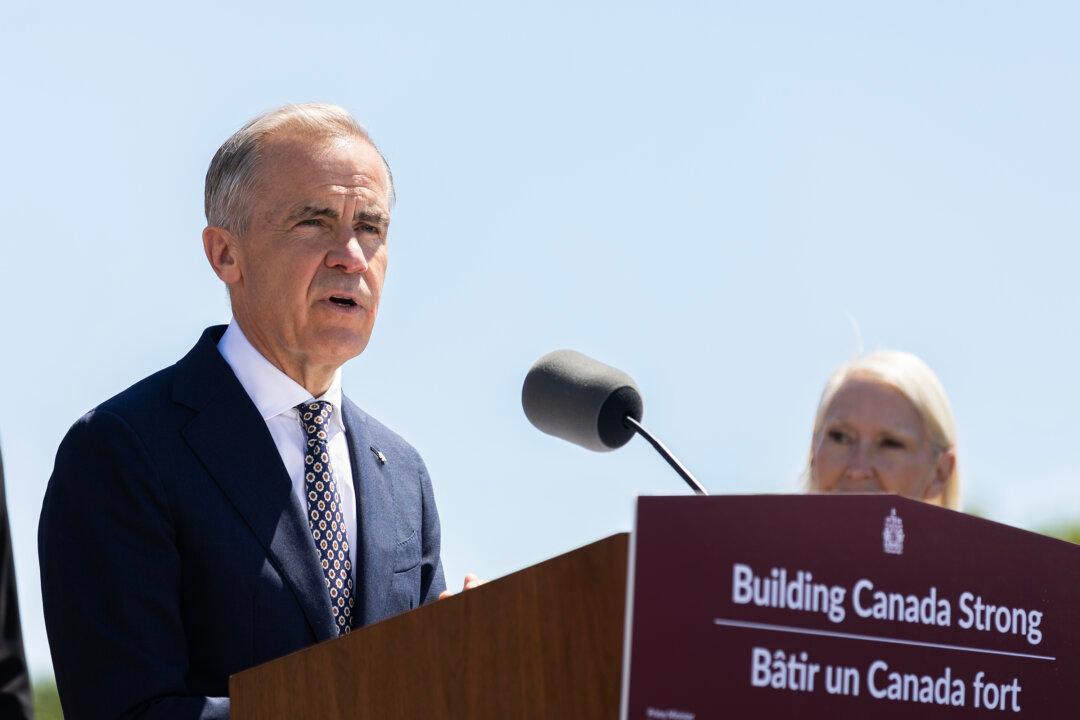
Finance Minister François-Philippe Champagne has directed the Canada Revenue Agency (CRA) to implement a 100-day action plan to address its call centres’ service delays, which he calls “unacceptable.”
“We take this issue very seriously,” Champagne wrote. “That is why we have directed the Agency to implement a 100-day plan to strengthen services, improve access, and reduce delays.”
He says the direction comes after visiting CRA call centres and meeting with the agency’s leadership and workers. Champagne says he has asked the agency to take “concrete” steps to improve its service through measures such as reallocating and adding personnel, implementing a new call-scheduling system, and expanding digital services.
The finance minister says he will be available to FINA to update Canadians on the challenges the CRA is facing and the steps the agency is taking to improve service delivery, adding that CRA Commissioner Bob Hamilton is also willing to appear.
“Parliamentary committees play an invaluable role in ensuring transparency and accountability and we trust the committee will consider these ongoing issues a priority,” Champagne said.

Taxpayers’ Ombudsperson François Boileau says he is “pleased” to learn about Champagne’s request to the CRA, noting that his office has experienced a recent upsurge in complaints about the CRA’s service, especially related to its call centres.
“Although I cannot comment on the CRA’s staffing practices, I hope that any changes the CRA makes will improve services for the public,” Boileau said in a Sept. 3 statement.
He said his office recommended in its 2020-2021 annual report that the CRA provide Canadians with the option to request a callback without needing to call the centre first to avoid waiting on hold to reach an agent. The CRA didn’t pursue the recommendation due to technical limitations and the cost to upgrade its phone system, Boileau said.
Meanwhile, Tory MP Dan Albas responded to Champagne’s letter by noting that the federal government pledged to address CRA wait times in 2023.
The UTE called the federal government decision “alarming and unacceptable.” According to Statistics Canada, the CRA had 59,155 employees in 2024, which dropped by 6,656 employees this year. The union said this has impacted the agency’s quality of service, noting that wait times to process requests for tax return adjustments or notice of objection to an assessment often exceed 12 months.
The union called the situation in CRA’s call centres “particularly alarming,” saying there aren’t enough employees to keep up with demand.
UTE National President Marc Brière said in the release that it’s “impossible” for the CRA to reduce its budget by 15 percent without making “massive job cuts and seriously affecting the services offered to the public and businesses.”
The union called on Champagne to reconsider his decision to impose budget cuts on the CRA and to give the union the opportunity to discuss “innovative solutions to maintain public services.”