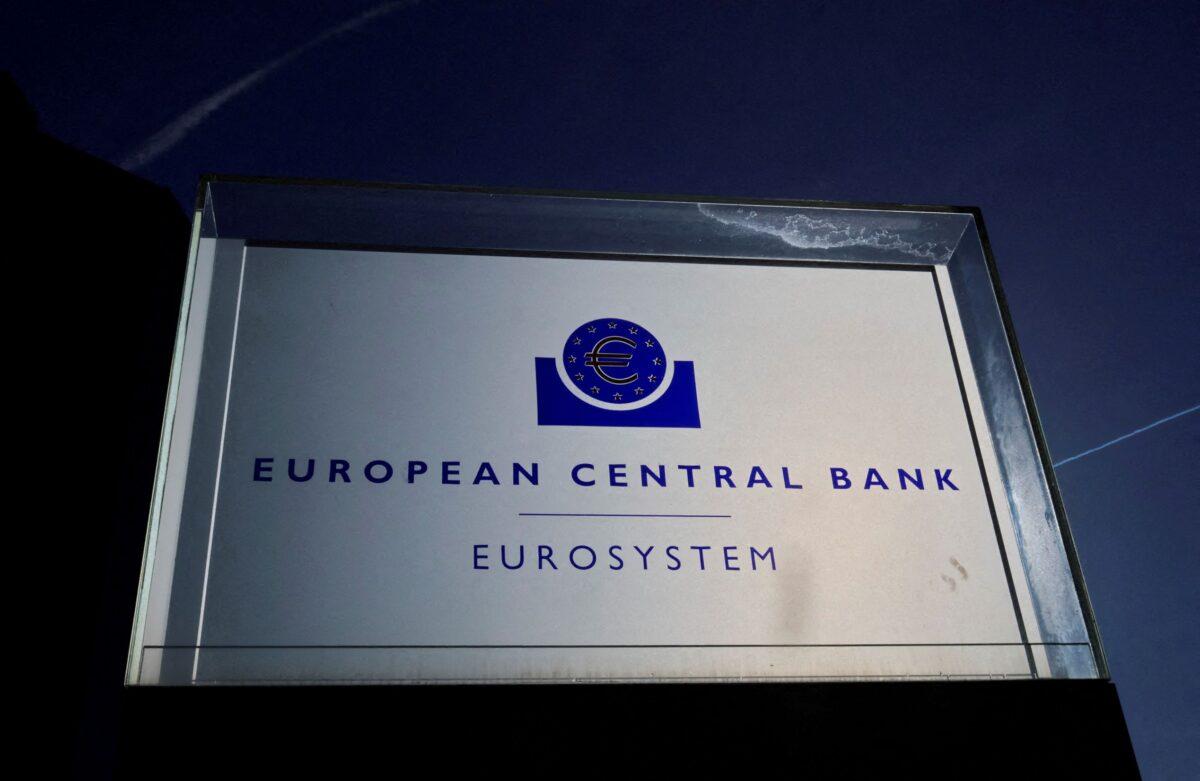
Outlining its supervisory priorities for the next three years, the ECB warned the current climate could result in serious disruptions with far-reaching consequences for the continent’s financial systems.
The ECB, which formulates monetary policy for the European Union and sets key interest rates for the Eurozone, said “geopolitical tensions and shifting trade policies, climate and nature-related crises, demographic change and technological disruptions are exacerbating structural vulnerabilities, making the likelihood of extreme, low probability events (tail risks) unprecedently high.”
The bank added that “uncertainty is elevated” and this cocktail of factors “heightens the risk of sudden and severe disruptions with far-reaching consequences for economies, financial markets and banks alike.”
To do this, the ECB outlined the need for banks to ensure they maintain adequate capitalization, conduct prudent management of nature-related risks, foster robust ICT (information and communication technology) capabilities, and “remedy deficiencies in risk reporting capabilities.”

The bank also announced plans to carry out a stress test in 2026, which “will assess institution-specific geopolitical risk scenarios and their potential to have a significant impact on banks’ solvency.”
The test will also help ascertain “how the geopolitical risk scenarios considered by the banks could have an impact on banks’ funding and liquidity conditions,” the ECB said.
The ECB also told banks to watch their exposure to other countries, both in terms of operations abroad, advancing credit to exporters, and dealing in foreign currencies.
“Market reactions to the announcement of new tariffs in April 2025 illustrate how quickly geopolitical tensions can materialise as concrete financial risks,” Buch said. “So far, the euro area banking sector has remained resilient, but the full impact of increased tariffs on the corporate sector and on banks’ balance sheets will become visible only gradually.”
While the ECB said that the sector was in a good position for the moment, it also warned that this situation was liable to change.
“The euro area’s economic outlook remains broadly supportive,” the ECB said, citing lower interest rates, healthier debt levels, and a resilient residential real estate market as causes for optimism.
“At the same time, significant downside risks persist, particularly as a result of US-EU trade tensions and broader geopolitical risks.”
It said these factors could detrimentally affect industries such as the automotive, chemical, and pharmaceutical sectors, which all heavily rely on exporting goods to the United States.
This could in turn precipitate a decline in asset quality, the ECB warned.