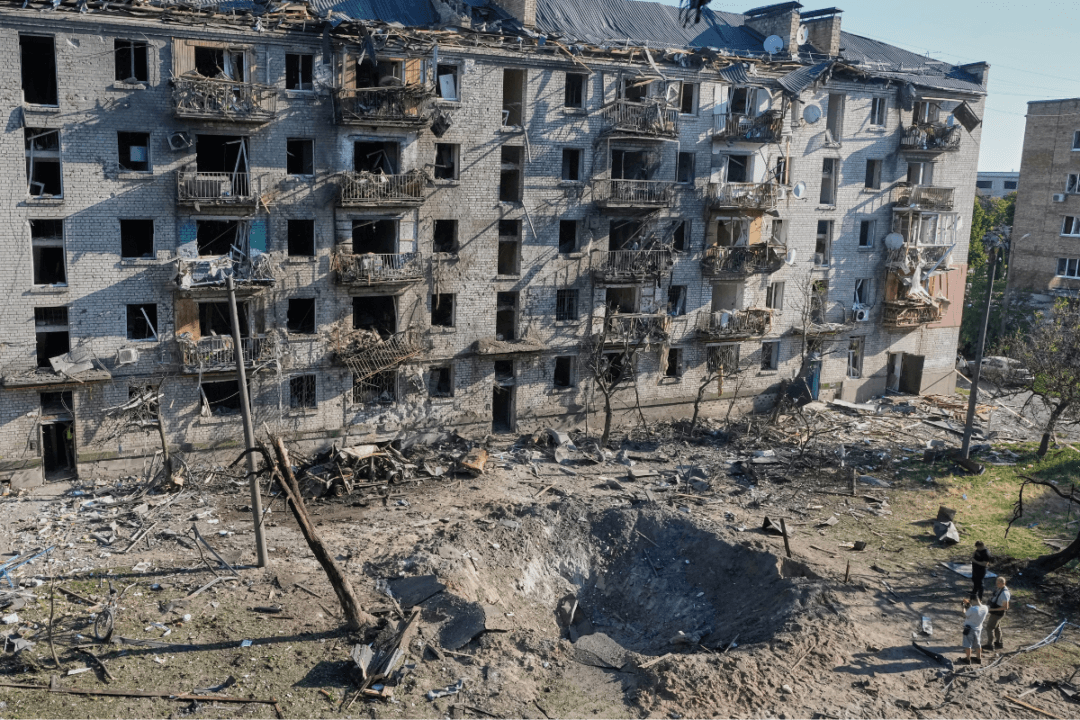
European Commission President Ursula von der Leyen on Oct. 8 said that Europe must respond with measures that go beyond traditional defense to tackle Russia’s hybrid warfare.
“It’s time to call it by its name: This is hybrid warfare, and we have to take it very [seriously],” she told lawmakers in Strasbourg, France.
NATO describes hybrid warfare as a fusion of conventional and unconventional means, including subverting or destabilizing the adversary and conducting attacks in such a way that identifying those responsible is difficult.
“We must not only react; we must deter because if we hesitate to act, the gray zone will only expand,” von der Leyen said.
Although she did not allege that all recent incidents alluded to were committed by Moscow, the head of the European Union’s executive branch said that Russia wants to “sow division” in Europe.
Drone Wall
Primary among Europe’s strategies is a drone wall, a proposed system to detect, track, and intercept unmanned aerial vehicles (UAVs) violating the bloc’s airspace that the European leader has been calling for since the latest rash of drone sightings began.Von der Leyen said on Oct. 8 that the drone wall forms part of the planned Eastern Flank Watch and is a “response to the realities of modern warfare.”
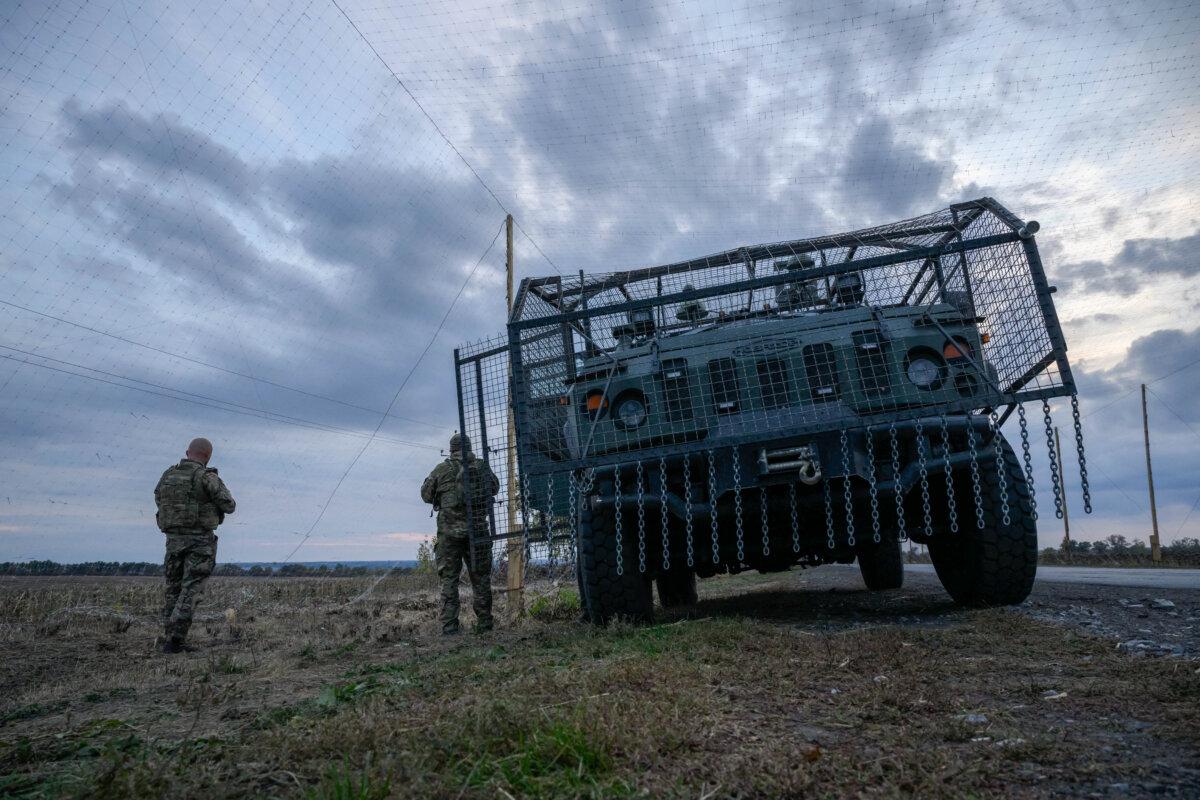
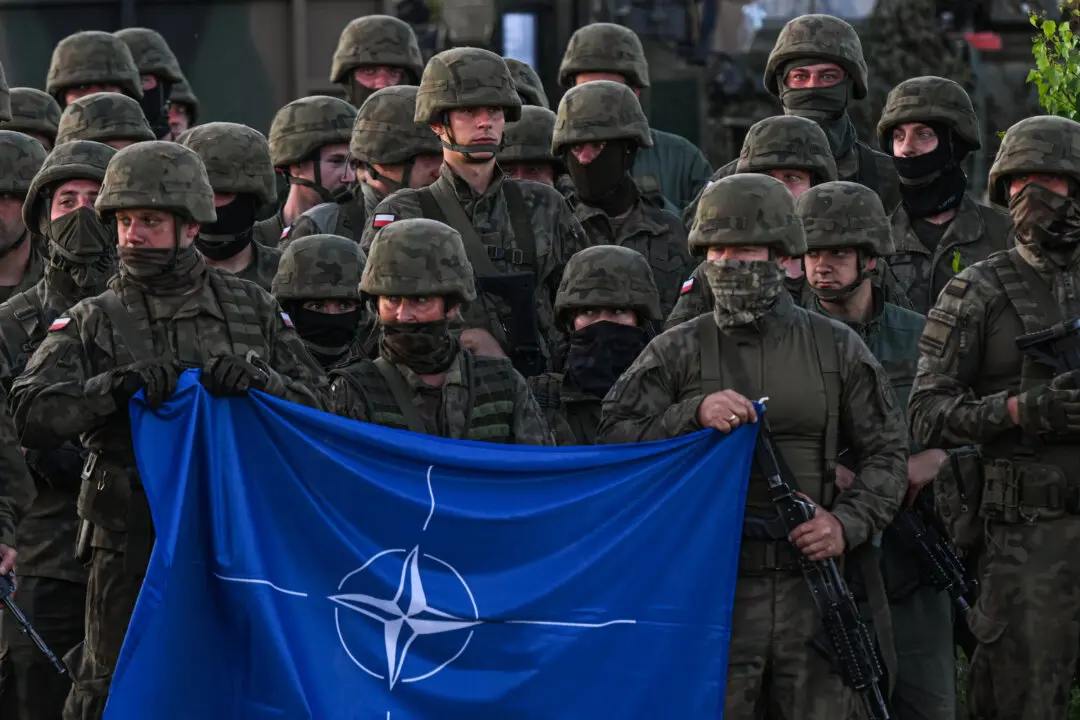
She noted that when there were UAV incursions over Poland, NATO allies were forced to deploy “very expensive systems”—latest-generation fighter jets—to take down “relatively cheap, mass-produced drones.”
“This is absolutely not sustainable,” she said. “We need an anti-drone system that is affordable and fit for purpose.”
‘Timely, Necessary’
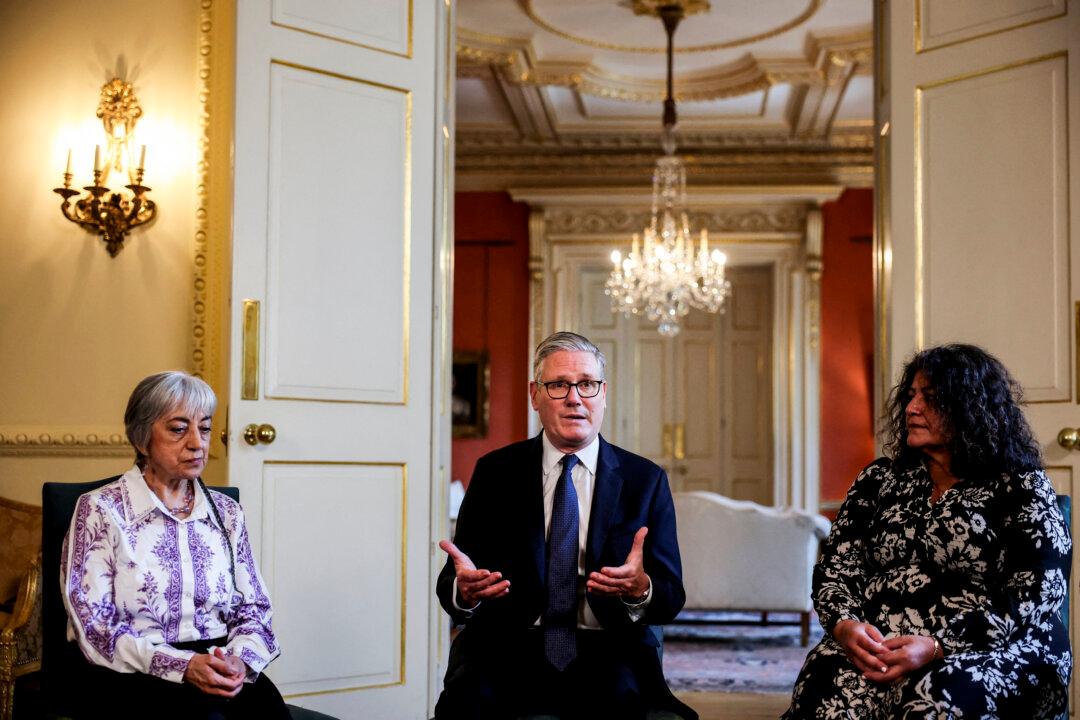
Last week, EU leaders formally backed a plan for anti-drone measures.Danish Prime Minister Mette Frederiksen, whose country recently experienced drone incursions, said after the EU summit on Oct. 1 that “Europe must be able to defend itself.”
“We need to strengthen our production of drones, of anti-drone capabilities, and this includes building up a European network of anti-drone measures that can protect and, of course, also neutralize intrusion from outside,” she said.
NATO Secretary-General Mark Rutte previously praised the drone wall idea as “timely and necessary,” but Russia criticized the proposal.
Kremlin spokesman Dmitry Peskov said, “As history has shown, erecting walls is always a bad thing.”