European Commission President Ursula von der Leyen said on Dec. 17 that the post-war era of peace is gone and that Europe must depend on itself and defend itself in an increasingly dangerous world.
“We know the threats that we face, and we will confront them. This means we need to be ready. We have to develop and deploy new capabilities so that we can fight a modern hybrid war.”
The commission chief outlined that the bloc had committed to 800 billion euros ($940 billion) in defense investment until 2030.
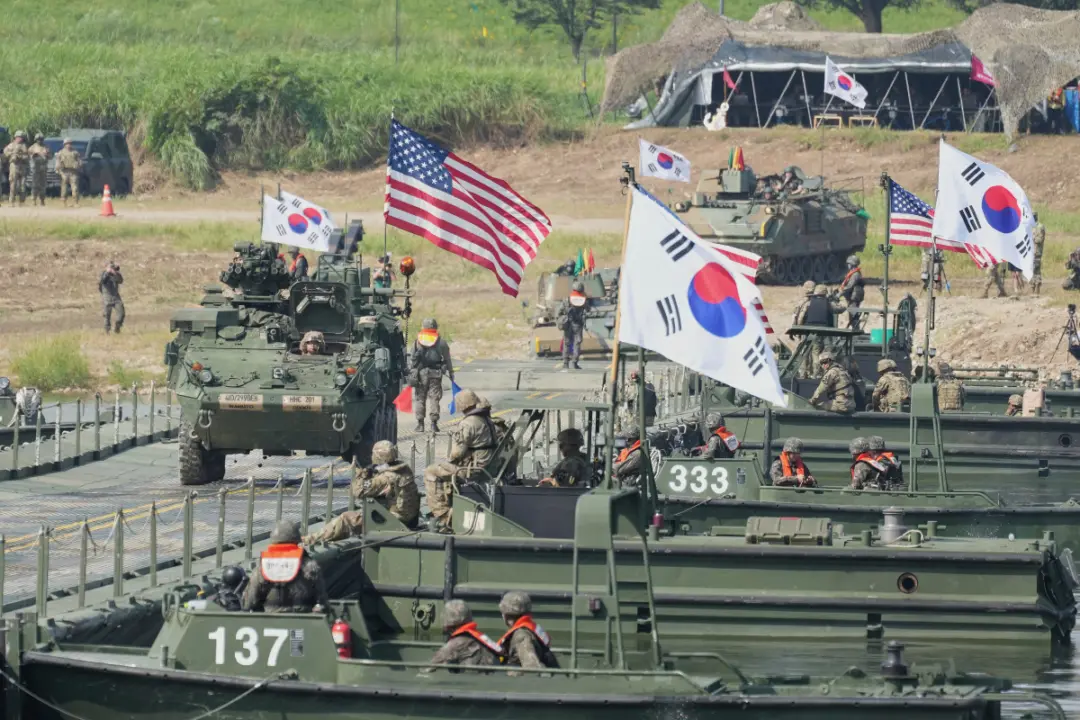
On June 25, NATO allies, which include the majority of European Union member states, backed a commitment to increase defense spending to 5 percent of gross domestic product by 2035.
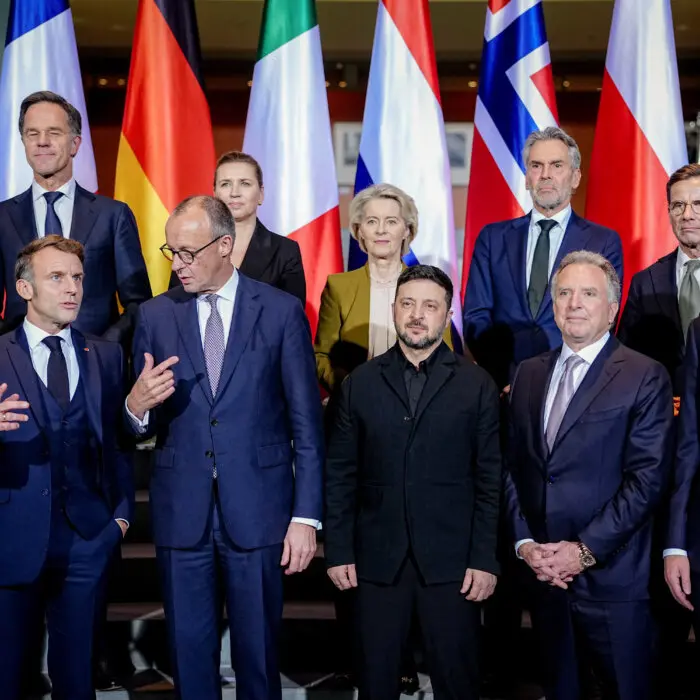
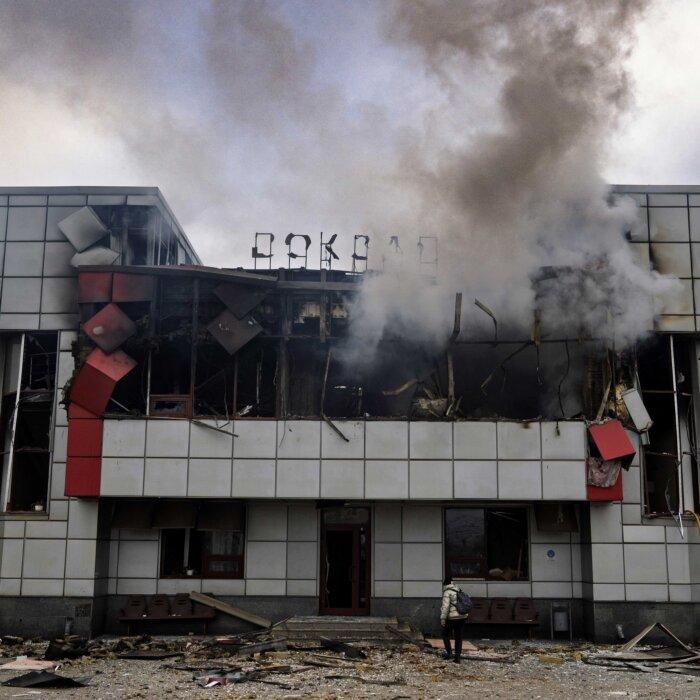
Announcing the proposals on Oct. 16, European Commissioner for Defense and Space Andrius Kubilius said that they are necessary to deter “Russian aggression, prevent war and preserve peace.”
However, Russia has denied that it intends to invade European nations, many of which are in NATO. A Russian attack on a European ally could trigger the defense union’s Article 5—the mutual defense pledge—which views an attack on one ally as an attack on all.
Energy Independence
The commission president on Dec. 17 also outlined the bloc’s progress on energy independence.She said that since Russia’s February 2022 invasion of Ukraine, the EU has been working to reduce its use of Russian fossil fuels.
Von der Leyen said that since 2022, the bloc’s import of Russian gas—both LNG and pipeline—is down from 45 percent to 13 percent. Crude oil imports from Russia are down to 2 percent from 26 percent, and coal imports have fallen to zero from 51 percent.
Funding Ukraine With Seized Russian Assets
The head of the bloc’s executive branch gave the speech ahead of a two-day European Council meeting starting on Dec. 18.During the summit, leaders of the EU’s 27 member states will consider whether to use billions of dollars in frozen Russian assets being held in Europe to support the military and defense efforts for Ukraine for the next two years.
Von der Leyen said on Dec. 17, “There is no more important act of European defence than supporting Ukraine’s defence.”
She said both the International Monetary Fund and the bloc’s estimates show that Ukraine’s needs for the next two years equal about 137 billion euros ($161 billion) and that Europe should cover two-thirds, or 90 billion euros ($106 billion).
“This is not just about numbers, this is also about strengthening Ukraine’s ability to secure a real peace—one that is just, one that is lasting, one that protects Ukraine and thus also protects Europe,” she said.