The European Commission has proposed softening its net zero carbon emission targets for new cars.
“The targets stay the same. They have to fulfil the targets, but it means more breathing space for industry,” von der Leyen told a news conference.
The proposal requires approval from EU governments and the European Parliament.
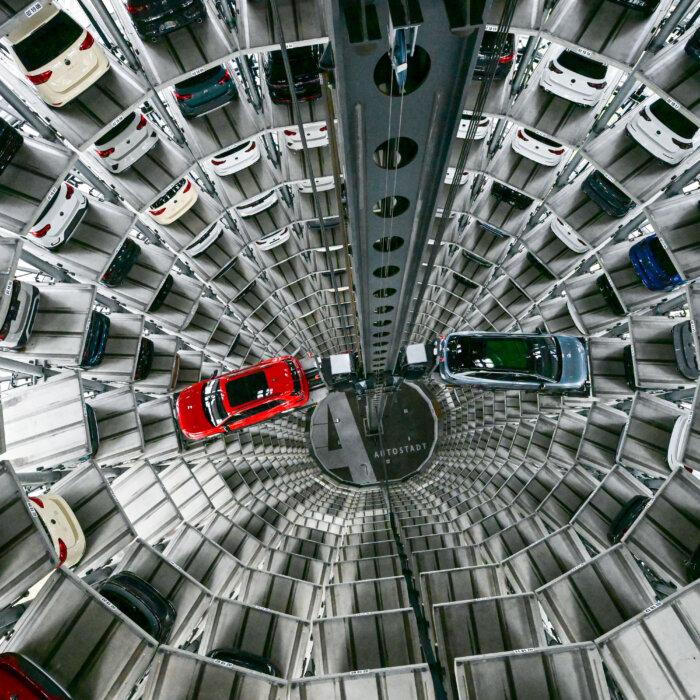
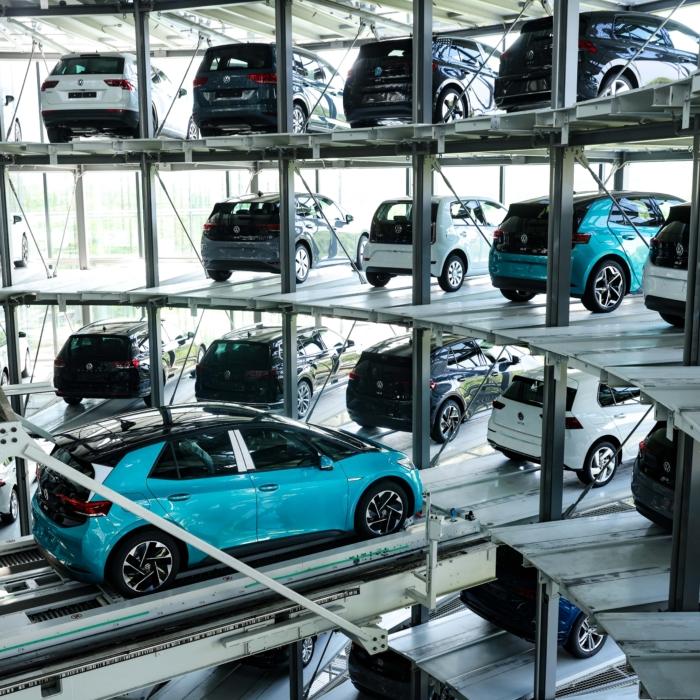
Compliance would now be based on a carmaker’s average emissions over the period 2025–27. The law still stipulates that from 2035, all new cars that come on the market cannot emit any CO2, making it illegal to sell new fossil fuel-powered vehicles in the bloc.
‘Primary Concern’
Last year, the European Automobile Manufacturers Association (ACEA) claimed the CO2 target requirements—which are key to von der Leyen’s European Green Deal—raised the prospect of multibillion-euro fines, threatening investment, jobs, and competitiveness.“A continuous trend of shrinking market share for battery electric cars in the EU sends an extremely worrying signal to industry and policymakers,” stated the ACEA, which represents 15 major European automotive manufacturers, including BMW, Ford, Mercedes-Benz, and Volkswagen, among others.
EVs
The industry is also trying to contend with weaker demand and cheap EV competition from China.Some of the EV issues the ACEA previously listed included problems related to charging and hydrogen refilling infrastructure, a competitive manufacturing environment, “affordable green energy,” purchase and tax incentives, and a secure supply of raw materials, hydrogen, and batteries.
It stated that “economic growth, consumer acceptance, and trust in infrastructure have not developed sufficiently either.”
“As a result, the zero-emission transition is highly challenging, with concerns about meeting the 2025 CO2 emission reduction targets for cars and vans on the rise,” the ACEA stated.
It stated that the current rules “do not account for the profound shift in the geopolitical and economic climate over the past years and the law’s inherent inability to adjust for real-world developments further erodes the competitiveness of the sector.”