Speaking to reporters after the meeting, Tusk described the outcome as a political opening rather than a final decision, saying leaders had agreed it was “worth trying” to build a mechanism around Russian assets, even as major legal and risk-sharing hurdles remain.
Tusk said leaders agreed to focus technical work on that option after enthusiasm waned for borrowing against the EU budget.
The agreement signals a shift away from borrowing against the EU budget, an option that failed to gain enough traction.
“The use of the so-called headroom in the EU budget does not inspire enthusiasm in key EU countries,” Tusk said.
“We will rather be looking at the reparations loan on the basis of Russian assets, and we will rather be looking to provide guarantees for countries most at risk, like Belgium, so that they feel these guarantees are serious.”
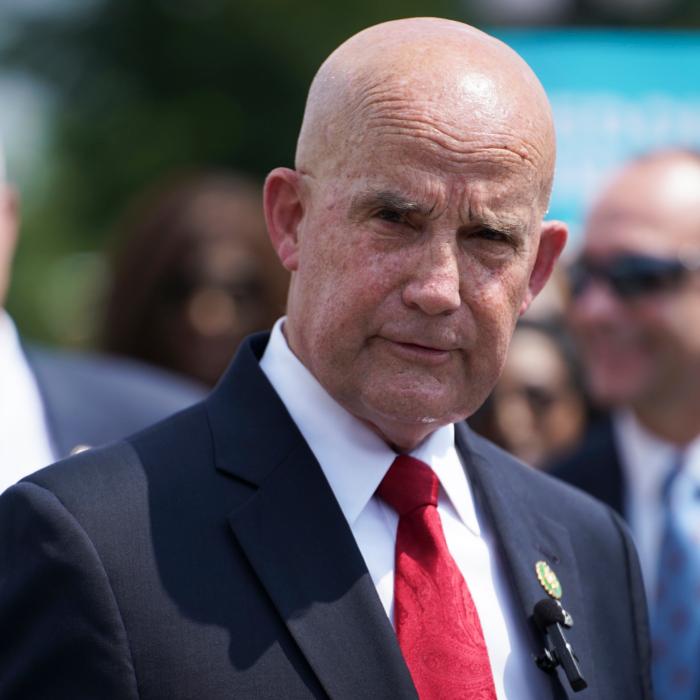
Ukrainian President Volodymyr Zelenskyy attended the summit, as EU leaders sought to lock in funding to support Kyiv beyond 2025 amid uncertainty over long-term Western assistance.
European Council President António Costa said as he arrived at the summit that it would not end without a decision reached on how to fund the loan.
European Commission President Ursula von der Leyen echoed Costa’s sentiments that the summit would not come to a close without an agreement on how the loan would be funded.
“I have made two proposals, two options on the table for this funding. One is funding through the EU budget, borrowing against the budget, and the second possibility is the reparations loan.”
However, Belgian Prime Minister Bart De Wever said on Dec. 18 that he had still not seen guarantees that sufficiently allayed his legal concerns and worries over liquidity risks to support the plan to use the immobilized assets.
“I haven’t seen any text yet that would persuade me to change Belgium’s position. I hope to see it today, but so far, it hasn’t arrived,” he said in the Belgian Federal Parliament, VRT News reported.
In separate comments to journalists, he stood firm in his position, saying Belgium has “set conditions, and they’re clear and well-known,” adding that “everyone considers them rational and reasonable.”
“I simply have to get those conditions. There are dealbreakers that need to be removed from the text. Period,” he said.
“Otherwise, I'll have to be thrown out. There can be no flexibility on matters that threaten the financial security of Euroclear and Belgium, let that be very clear.”
Meanwhile, other EU leaders struck a decidedly different tone on the topic of using Moscow’s frozen assets.
“This will ensure that Russia ultimately pays and that the risks and burdens are shared fairly among the member states,” he said.
Tusk said on X, “Now we have a simple choice: either money today, or blood tomorrow.”
“I’m not talking about Ukraine only, I’m talking about Europe,” he said. “This is our decision to make. And only ours. All European leaders must finally rise to the challenge.”
Hungarian Prime Minister Viktor Orban, by contrast, was emphatic in his opposition to the proposal to use Russian assets to fund a loan to Ukraine, saying “the whole idea is a stupid one.”
“Taking the money of one side and giving it to the other would drag the EU into the conflict. This must not happen. Thankfully, I am not the only one who sees it this way.”
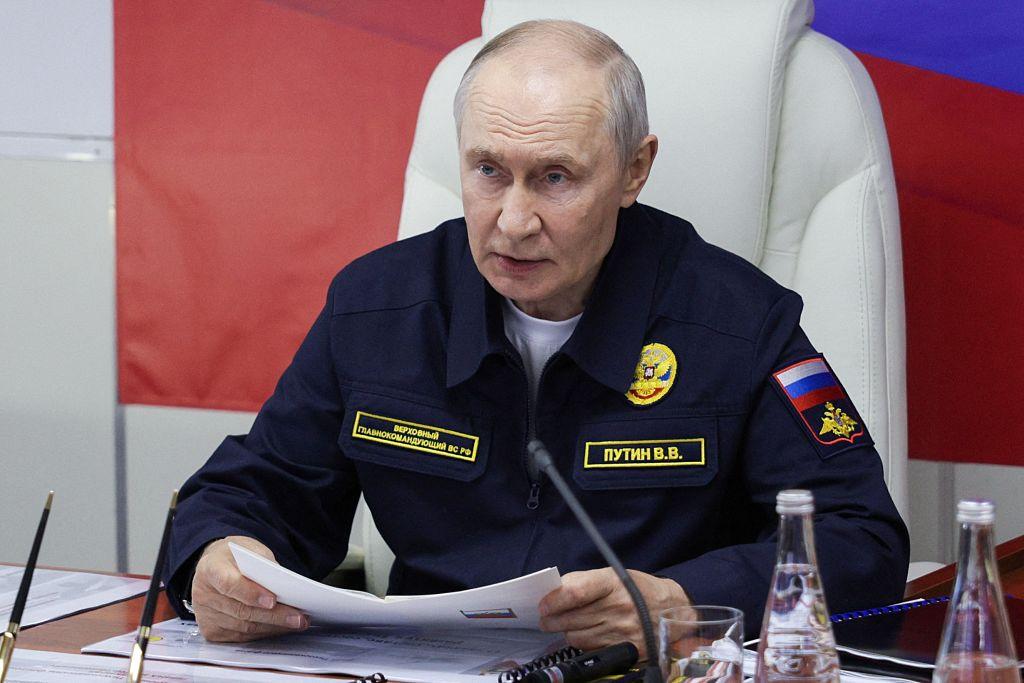
Russia has stated that using any of its frozen assets to fund Ukraine would be considered “theft” and suggested that it would respond in kind should the EU attempt to move ahead with its plan.
“We are not confiscating anything yet,” he said. “The Europeans haven’t called for confiscation, so we won’t confiscate anything until they do. If they do end up confiscating, then we will consider it.”