The European Union agreed on fresh sanctions against Russia on Oct. 23. The sanctions target the country’s shadow fleet, banks, third-country entities, and cryptocurrency providers.
The bloc’s 19th package of sanctions against Moscow was a response to Russia’s escalating aggression in Ukraine, particularly its attacks on civilian infrastructure, the Council of the EU said in a statement.
Measures include sanctioning an additional 117 vessels from Russia’s shadow fleet, bringing the total to 557. These non-EU tankers are suspected of transporting Russian oil despite sanctions being in place.
A ban on imports of liquefied natural gas will start in January 2027 for long-term contracts and within six months for short-term contracts.
Five banks in Russia have been added to the transaction ban; full-fledged sanctions have also been imposed on the developer of a ruble-backed cryptocurrency.
The package also adds 45 entities to the list of those engaged in sanctions circumvention or in aiding Russia’s military industrial complex. This includes 28 entities in Russia, 12 in China and Hong Kong, three in India, and two in Thailand.
Zelenskyy in Brussels
Russian Foreign Ministry spokeswoman Maria Zakharova said at a briefing that Brussels’ attempts to sanction Russia are backfiring and that options for expanding sanctions “are largely exhausted.”According to Russian state-owned TASS news agency, Zakharova said that Moscow has a right to respond to EU sanctions “even if they are obviously unsuccessful attempts” to harm Russia.
“As always, we will respond appropriately, carefully, and with our fundamental interests in mind,” she said.
“Sanctions pressure must be increased, and we will be discussing this today in Brussels with our partners,” he said.
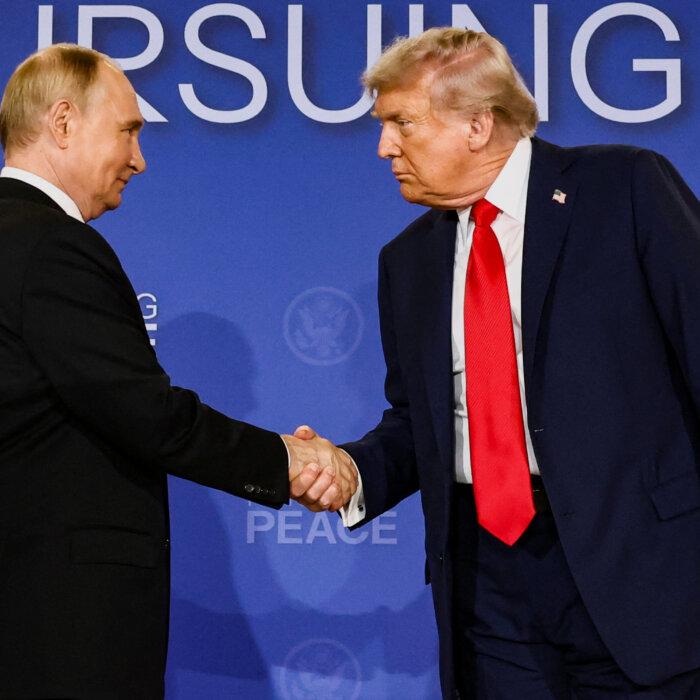
Trump–Putin Talks Canceled
U.S. President Donald Trump and Russian President Vladimir Putin were expected to meet in Budapest, Hungary, to discuss how to end the war in Ukraine, but those plans were canceled earlier this week.The decision followed a phone call between U.S. Secretary of State Marco Rubio and Russian Foreign Minister Sergey Lavrov, who had also been expected to meet this week to prepare for a possible summit.
“Therefore, an additional in-person meeting between the Secretary and Foreign Minister is not necessary, and there are no plans for President Trump to meet with President Putin in the immediate future.”
“It didn’t feel like we were going to get to the place we have to get. So I canceled it, but we’ll do it in the future.
“I think that, in terms of honesty, the only thing I can say is, every time I speak with Vladimir, I have good conversations, and then they don’t go anywhere. They just don’t go anywhere.”