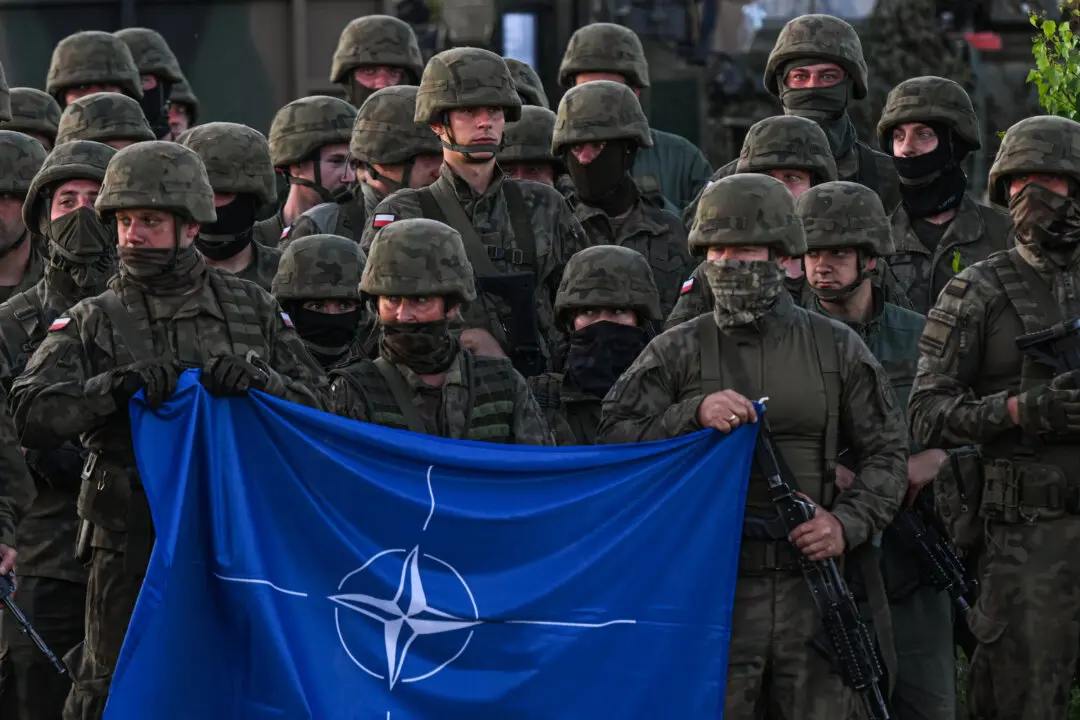
Efforts to create a concrete roadmap to strengthen the European pillar of NATO “will intensify” during the defense alliance’s summit in Ankara, the Turkish defense minister has said.
Yasar Guler told Reuters on June 30 that priorities for the summit would see allies demonstrating plans to increase defense spending, reaffirming unity within the alliance, taking steps to boost the defense industry, and increasing support for Ukraine.
“NATO continues to be an unparalleled and fundamental platform for Euro-Atlantic security and defense. We evaluate the period we are going through not as a crisis, but as a process of adjusting to the changing security environment,” Guler said.
The Turkish capital will host 32 NATO leaders for the summit on July 7 and 8, along with officials from the Gulf and the Asia-Pacific region.
Guler also said that the United States has “no intention of withdrawing” from the defense alliance, but rather wants European allies to assume responsibility for the continent’s security.
The Trump administration has been critical of allies over their spending commitments as well as over some nations’ lack of solidarity with the United States during the Iran war.

Allies Boost Spending
Turkey has the second-largest army in NATO and, for its part, has significantly reduced its dependence on external defense production, developing one of the world’s leading defense industries.
Guler said Turkey’s priorities for defense spending will focus on drones, anti-drone systems, air defense and missile systems, naval projects, and cyber capabilities.
Turkey’s priorities largely align with what senior European military officials have identified as the focus for continental defense to match the challenges posed by adversaries in this new era of warfare.
NATO’s deputy supreme allied commander in Europe, Air Chief Marshal Sir Johnny Stringer, said during a defense conference at the Royal United Service Institute in London last week that allies needed to become less reliant on expensive arms and shift towards mass-producing low-cost equipment.
He also called for a focus on increasing capabilities in electromagnetic warfare, boosting air defenses, and conducting deep precision strikes.
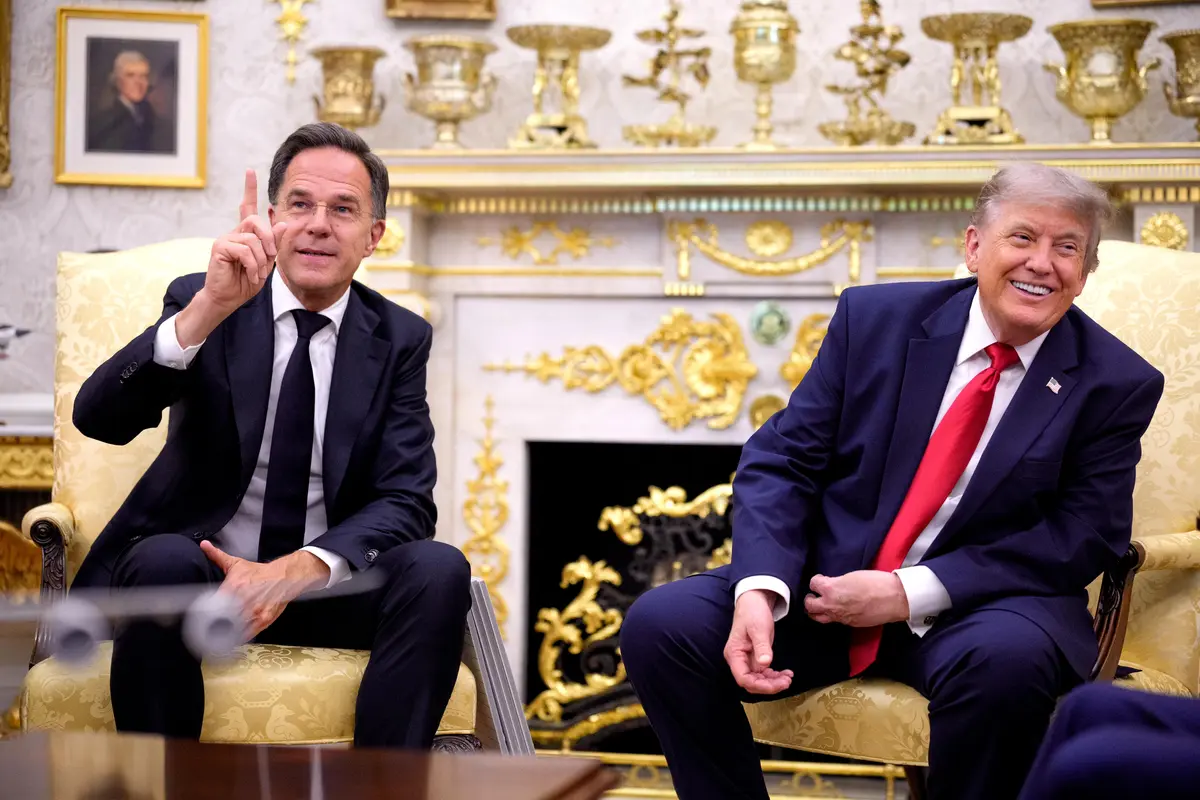
In June 2026, NATO allies committed to a defense spending target of 5 percent of gross domestic product by 2035, an initiative driven by U.S. President Donald Trump.
Last week, NATO Secretary-General Mark Rutte said that allies would pledge to spend billions more on defense at the Ankara summit, as well as reaffirm their commitment to the security alliance.
He said that since NATO made the spending commitment, allies have already been working to increase their defense spending. This includes countries along NATO’s Eastern Flank, specifically Estonia, Latvia, Lithuania, and Poland. Germany is also on track to double its defense investment from just a few years ago.
Overall, in the last decade, European allies and Canada have spent an additional $1.2 trillion in defense, Rutte said during a speech to the Atlantic Council on June 25.
Loyalty in NATO
Tensions between the Trump administration and European NATO allies over some countries’ lack of support for U.S. efforts in its strikes against the Iranian regime—notably Spain, which denied the U.S. military use of its airspace and bases.
The issue prompted Trump to question the United States’ role in the alliance, with the president suggesting earlier this year that he was considering pulling out of NATO.
U.S. Secretary of State Marco Rubio has also questioned the purpose of a defense alliance in which support appeared to go only one way—defending Europe—without reciprocal support for the United States in its security efforts.
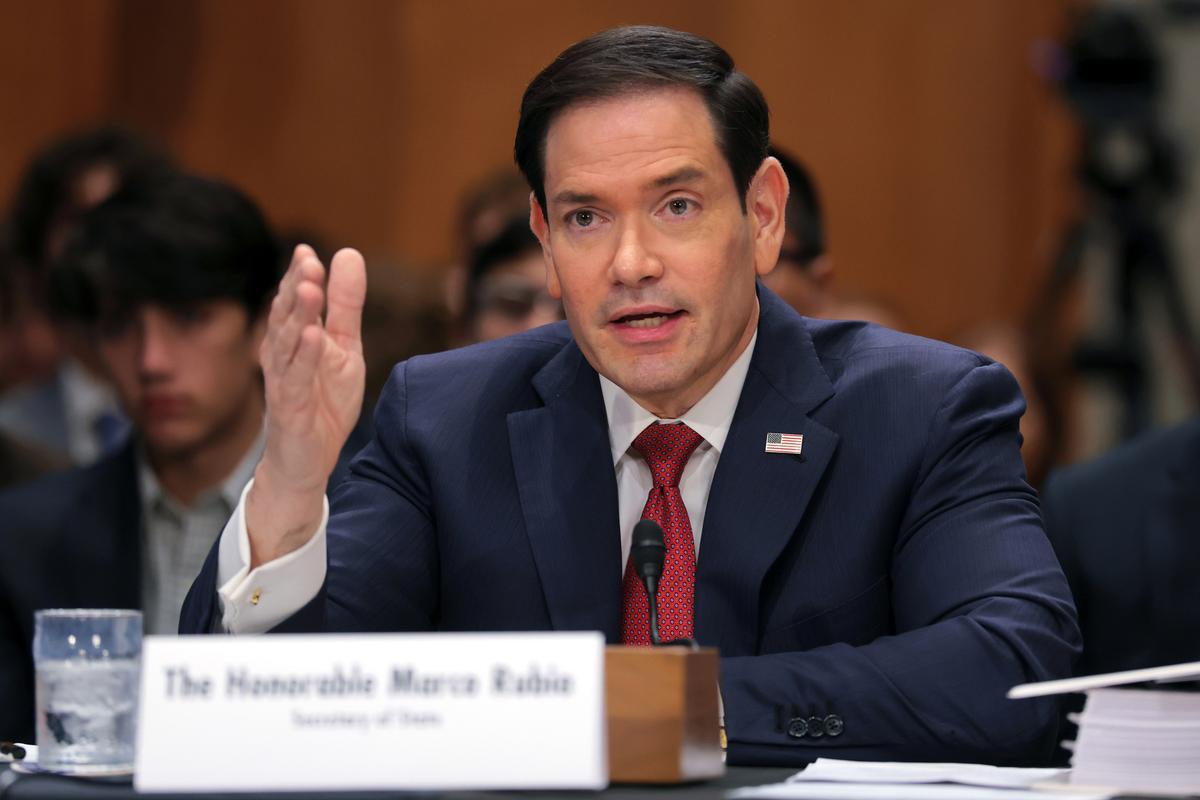
Speaking before the House Foreign Affairs Committee on June 3, Rubio reiterated points he had made several times before: that he remains a “strong supporter” of NATO and that he still sees its utility.
“The problem with NATO, as I want to point out, is those bases that we have in the region is one of the reasons I used to argue why NATO was so important. It allowed the U.S. to project power and have power in case of contingencies,” he said.
“We had a contingency, and we had countries in NATO that said, ‘No, you can’t use our bases.’ Particularly Spain. Now, I want to be fair, there were other countries that have been extraordinarily cooperative and what they’ve helped us to do—some publicly and some privately.”
Rutte said in May that allies have received the message from Washington, and was “making sure that all the bilateral basing agreements are being implemented.”
Last week, when asked what more alliance members could do, Trump said, “I just want their loyalty.”
“We don’t need their money, we don’t need anything. We have the most powerful military in the world by far, but I just want loyalty,” the president said during an Oval Office press conference.
Reuters contributed to this report.