Four types of Pillsbury brand pizza pops are being recalled across Canada after being linked to a current E. coli outbreak.
Class 1 represents the highest level within the three-tier classification system, indicating a significant risk that consumption of the tainted food could result in severe health issues or even death.
“The affected products are being recalled from the marketplace due to possible E. coli O26 contamination,” the agency said in its alert. “This recall was triggered by findings by the Canadian Food Inspection Agency during its investigation into a foodborne illness outbreak.”
The affected Pizza Pops pepperoni and bacon pizza snacks are packaged in 760 gram and 2.85 kilogram sizes, with best-before dates of June 9 and 10, 2026, the agency said.
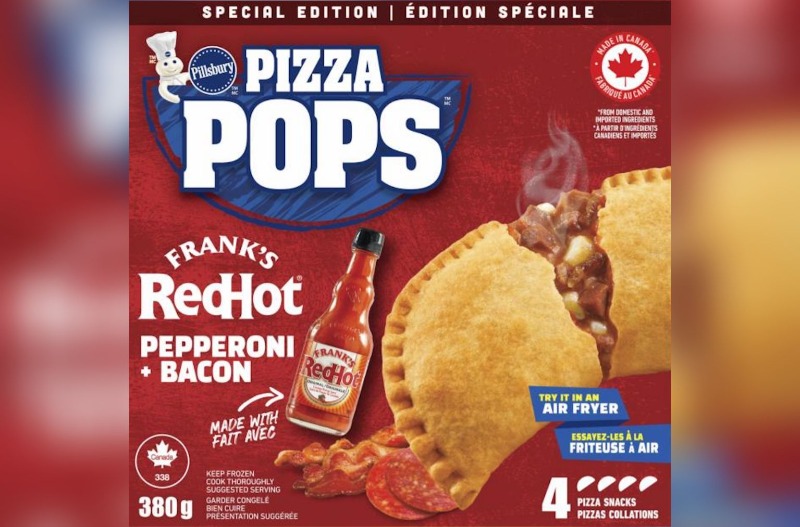
The recall also includes Pizza Pops Supremo Extreme pepperoni and bacon snacks in three-kilogram boxes with best-before dates ranging from June 10 to June 12, and Pizza Pops Frank’s RedHot Pepperoni and Bacon available in 380-gram packages with a best-before date of June 14.

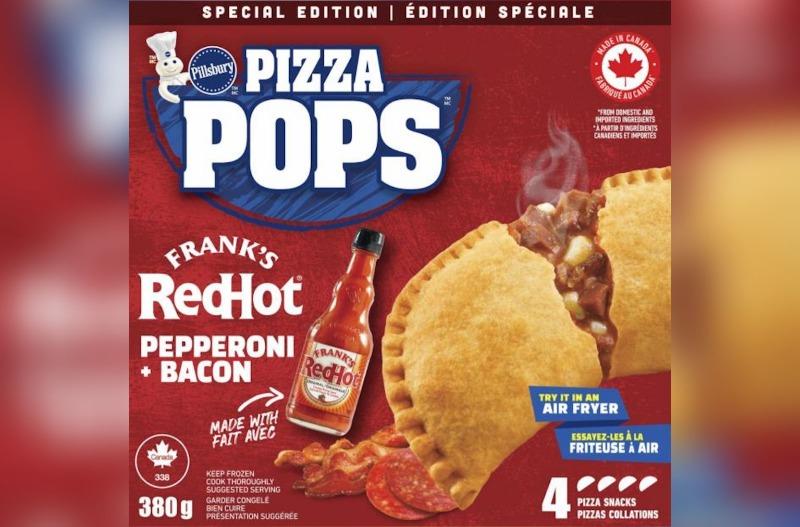
- A recall has been issued for certain pepperoni and bacon Pizza Pops due to the risk of E. coli contamination. (Canadian Food Inspection Agency photo)
E. Coli Dangers
Food that is contaminated with strains of Escherichia coli, commonly referred to as E. coli, can lead to an infection known as food poisoning or E. coli gastroenteritis.Most people fully recover at home, but those who fall seriously ill require hospitalization, the agency’s website says. In rare cases, some may experience life-threatening symptoms such as stroke, kidney failure, and seizures.
This type of food poisoning poses the greatest risk to pregnant women, the elderly, children younger than five, and those with compromised immune systems, Health Canada said.
“While most people recover completely, others may suffer permanent health effects, like kidney damage,” the agency said. “If you think you have an E. coli infection, see your health-care provider.”