Buckingham Palace on Sept. 5 announced that the Duchess of Kent, the wife of the late Queen Elizabeth II’s cousin the Duke of Kent, has died at the age of 92.
“The King and Queen and all Members of The Royal Family join The Duke of Kent, his children and grandchildren in mourning their loss and remembering fondly The Duchess’s life-long devotion to all the organisations with which she was associated, her passion for music and her empathy for young people,” the palace said.
The duchess was born on Feb. 22, 1933, to baronet Colonel Sir William Worsley and Lady Worsley of Hovingham Hall, near York in the north of England. She was the couple’s only daughter.
In 1961, she married King George V’s grandson Edward, the Duke of Kent and first cousin of Queen Elizabeth II, at York Minster Cathedral.
Despite her aristocratic upbringing and close ties to the monarchy, the duchess dropped the “Her Royal Highness” style and preferred to be known as “Mrs. Kent.”
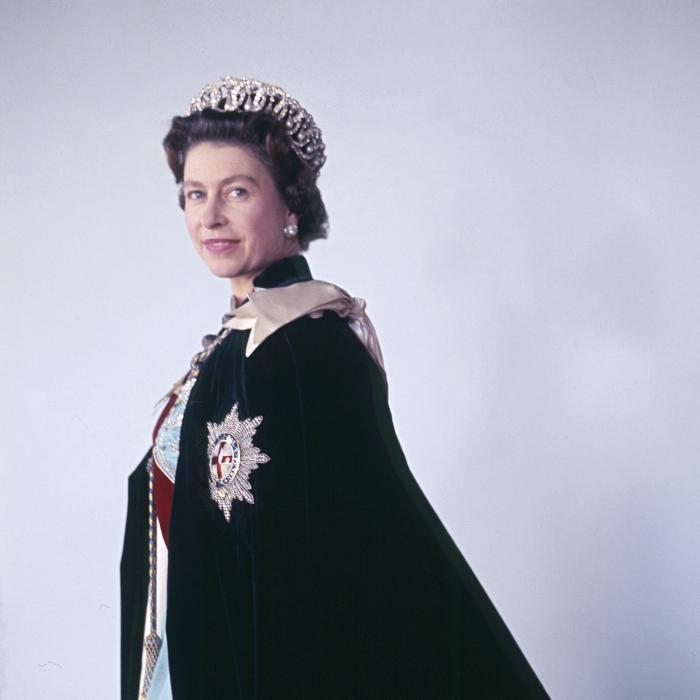

Her retreat from royal life extended beyond her preference for simpler titles, with her spending more than a decade teaching music at a state school in Hull.
The duchess converted from Anglicanism to Roman Catholicism in 1994—becoming the first member of the Royal Family to do so in 300 years—and is expected to have a Catholic funeral, which will be attended by senior royals, including King Charles III and Queen Camilla.
British Prime Minister Sir Keir Starmer sent his condolences to the king and royal family.
“She brought compassion, dignity and a human touch to everything she did,” he added.
The Duchess is survived by her 89-year-old husband and her three children—George, Earl of St Andrews; Lady Helen Windsor; and Lord Nicholas Windsor—and grandchildren.
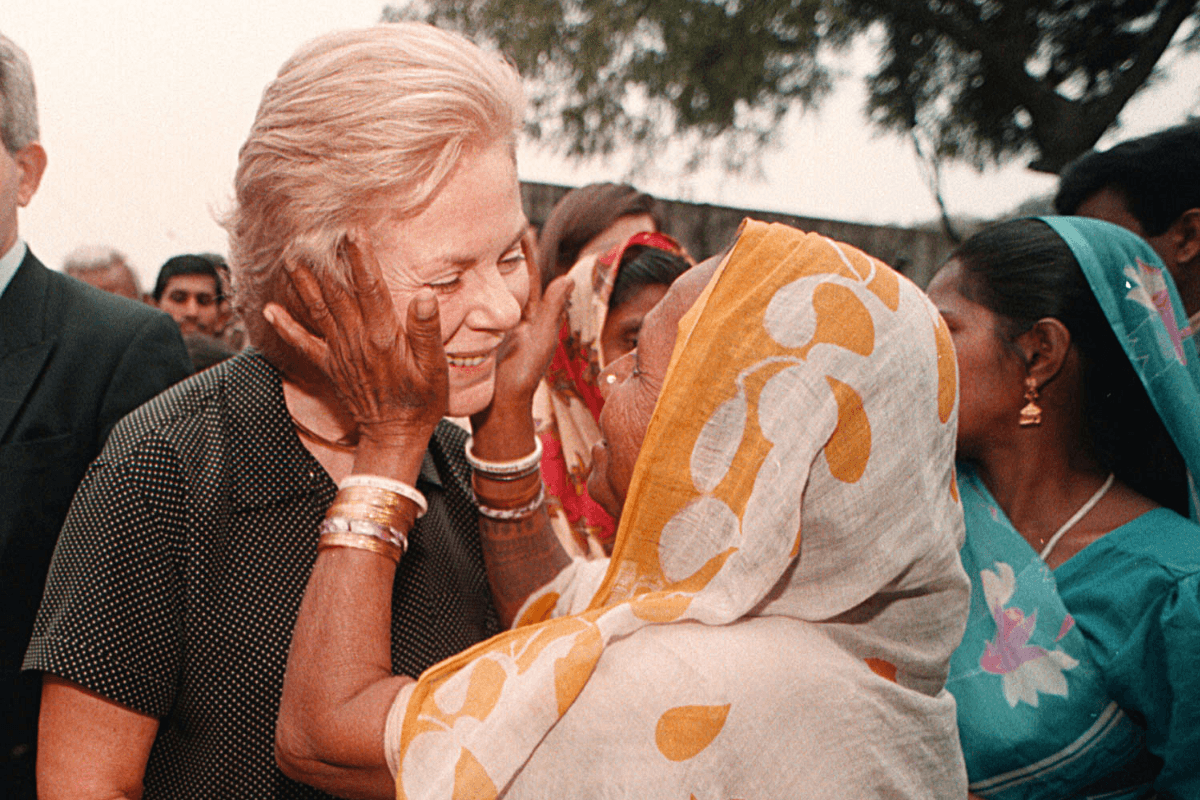
‘Lifetime of Public Service’
Representatives from the faith community also sent their condolences on the news of the duchess’s passing.The Duchess of Kent was known for her compassion, having volunteered for the Samaritans, a British charity that supports people in distress and at risk of suicide.
The duchess was a skilled pianist, organist, and singer, and put those talents to use when she secretly began teaching music at state primary (elementary) schools in East Yorkshire and London. Then in 1996, she began teaching music and worked with the choir at Wansbeck Primary School in Hull, and spent the next 13 years teaching there.
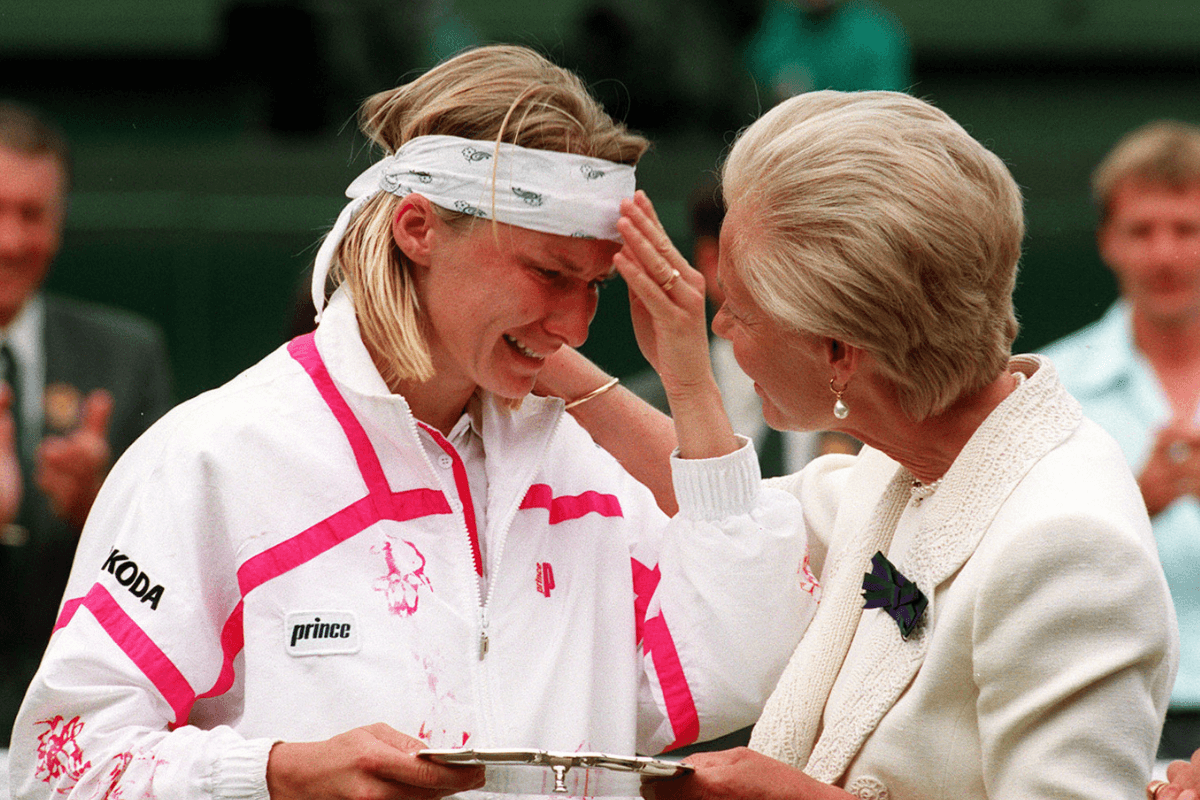
She was a familiar presence at Wimbledon, presenting trophies to winners and earning admiration for her kindness toward runners-up, most memorably when she comforted a tearful Jana Novotna after her 1993 defeat to Steffi Graf in the ladies’ singles final.
In her later years, her notable public appearances include her attendance at Queen Elizabeth II’s Diamond Jubilee in 2012, the then-Duke and Duchess of Cambridge’s 2011 wedding, and the Sussexes’ wedding in 2018.