Moscow has introduced a temporary ban on the export of diesel and other fuel to ensure adequate domestic supply, amid ongoing drone strikes from Ukraine on Russian energy infrastructure.
The Russian government said in a July 8 statement it had issued a ban on the export of diesel, marine fuel, and similar products until July 31.
“The decision was made to maintain stability in the domestic fuel market. The restrictions will not apply to diesel fuel exported from Russia under international intergovernmental agreements,” the statement said.
During a televised government meeting on Wednesday chaired by Russian President Vladimir Putin, Deputy Prime Minister Alexander Novak said that the fuel situation remained complex and that “it is clear that the current situation at filling stations is causing concern among the public.”
Novak said that the diesel fuel export ban “will make it possible to increase supplies to the domestic market.”
He added that Russia would start importing fuel this month.
During the meeting, Putin accused Kyiv of attempting to damage Russia’s economy and to “create a sense of anxiety in society.”
“We all understand that this goal is unattainable,” he said. “The resilience of Russia’s power system is very high—among the highest in the world.”
Ukraine says the strikes are to disrupt Russia’s ability to wage war and force Moscow to the negotiating table.
The Ukrainian military on July 9 also confirmed that it had struck a dozen or more Russian tankers with drones in the Sea of Azov overnight. The strikes are part of a wider campaign to disrupt fuel supplies to Russian forces, as well as to isolate Crimea, which Moscow annexed in 2014.
90 Percent of Aerial Threats Downed
According to the Ministry of Defense of Ukraine, Kyiv intercepted nearly 90 percent of Russian aerial threats in June.
The ministry said in a July 9 statement that Moscow launched nearly 6,000 drones and missiles last month, with Kyiv’s air defense systems intercepting nearly 5,300.
Downed aerial weapons included 90 percent of Gerbera, Italmas, Shahed, and other drones; 40 percent of ballistic missiles; and 89.4 percent of other types of missiles, the ministry said.
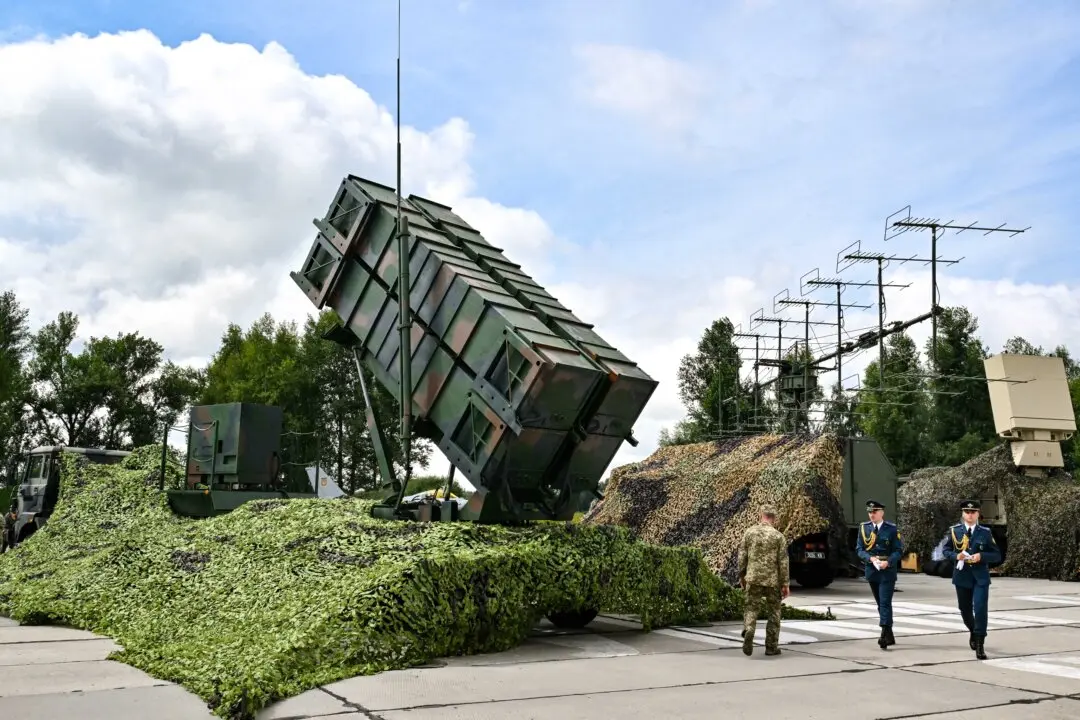
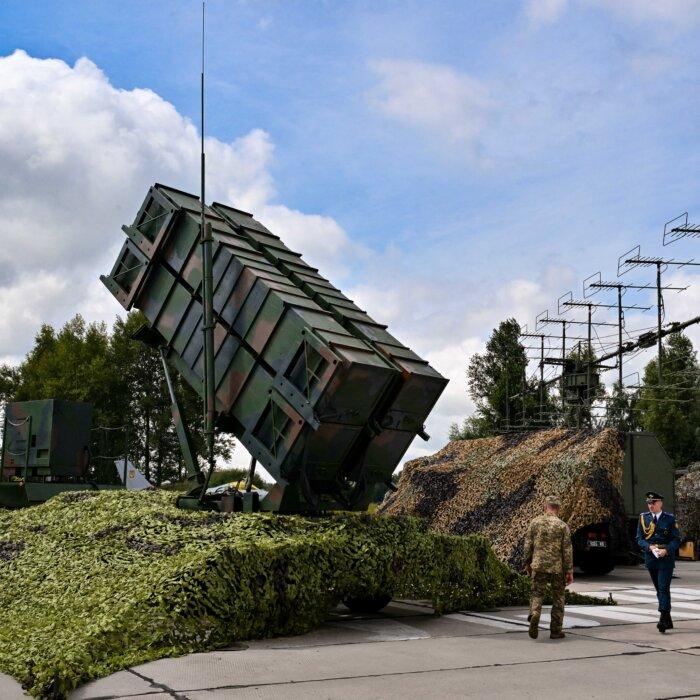
“Ballistic missiles remain the greatest threat,” the ministry said. “Intercepting them requires advanced missile defense systems such as Patriot, which are in limited supply worldwide.”
“Ukraine, together with its international partners, is systematically working to expand its air defense capabilities—from receiving new systems and interceptor missiles to developing other elements of layered defense.”
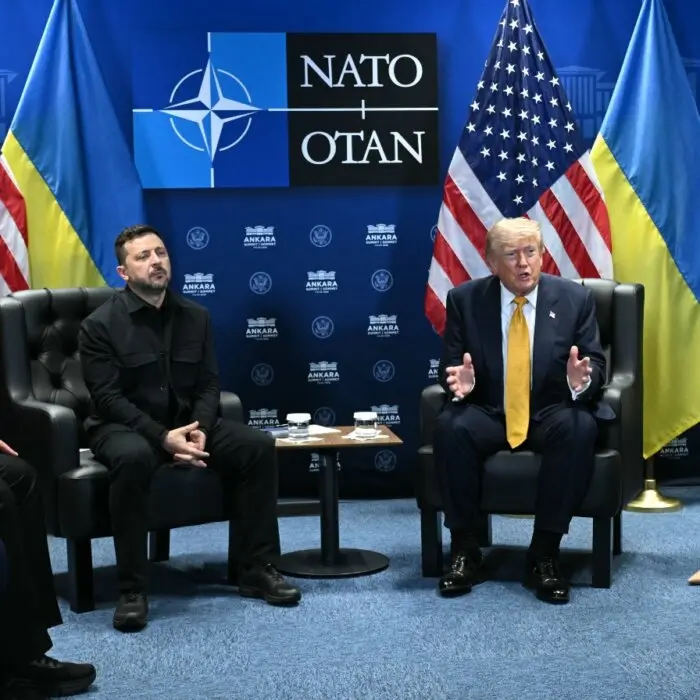
“One of the things we’re going to be talking about is we’re going to give a license to you to make Patriots,” Trump said during a press conference on the sidelines of the NATO summit.
“That’s pretty cool, right? This way, he can’t complain that we’re not giving them enough. Let’s say, ‘make them yourself.’”
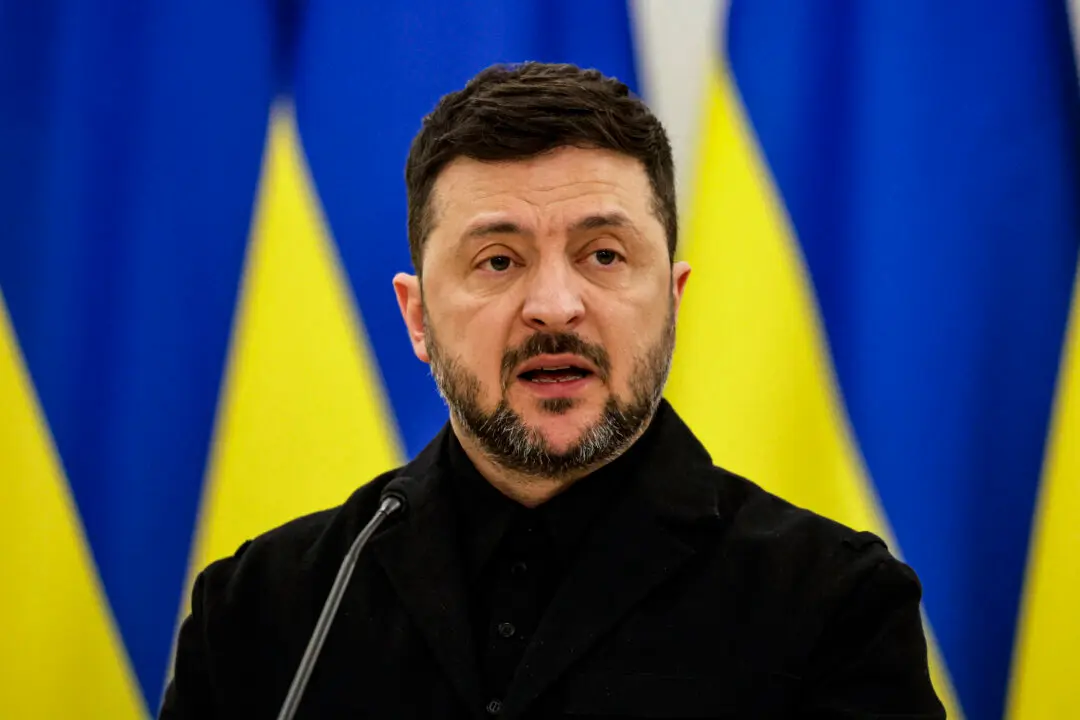
Zelenskyy praised the air defense systems, saying, “The Patriot system is the best, you know, in the world for today, the best anti-ballistic system.”