On most months of the year, you can look up into the night sky and see shooting stars spewing out from a single point in space called a “radiant.” But July is one of those eccentric months for meteor viewing where these shots of light can be seen crisscrossing over each other’s paths, darting from several radiant points at once.
Such is the case when the Delta Aquariid meteor shower sprinkles down on Earth each and every mid-summer. These meteors are eventually joined by another shower, the Perseids, often praised as the year’s best, thus accounting for the crisscrossing shooting stars. It’s sometimes hard to tell which meteor belongs to which shower.
How to View the Delta Aquariids and Radiant
Most meteor showers start slow then ramp up to peak activity around a certain date. This isn’t so with the Delta Aquarrids; they just ramble on steadily at the same pace for weeks. This year, they‘ll last roughly from July 18 to Aug. 21. Though their climax may be underwhelming, astronomers have to give a date: they’ll peak on July 30.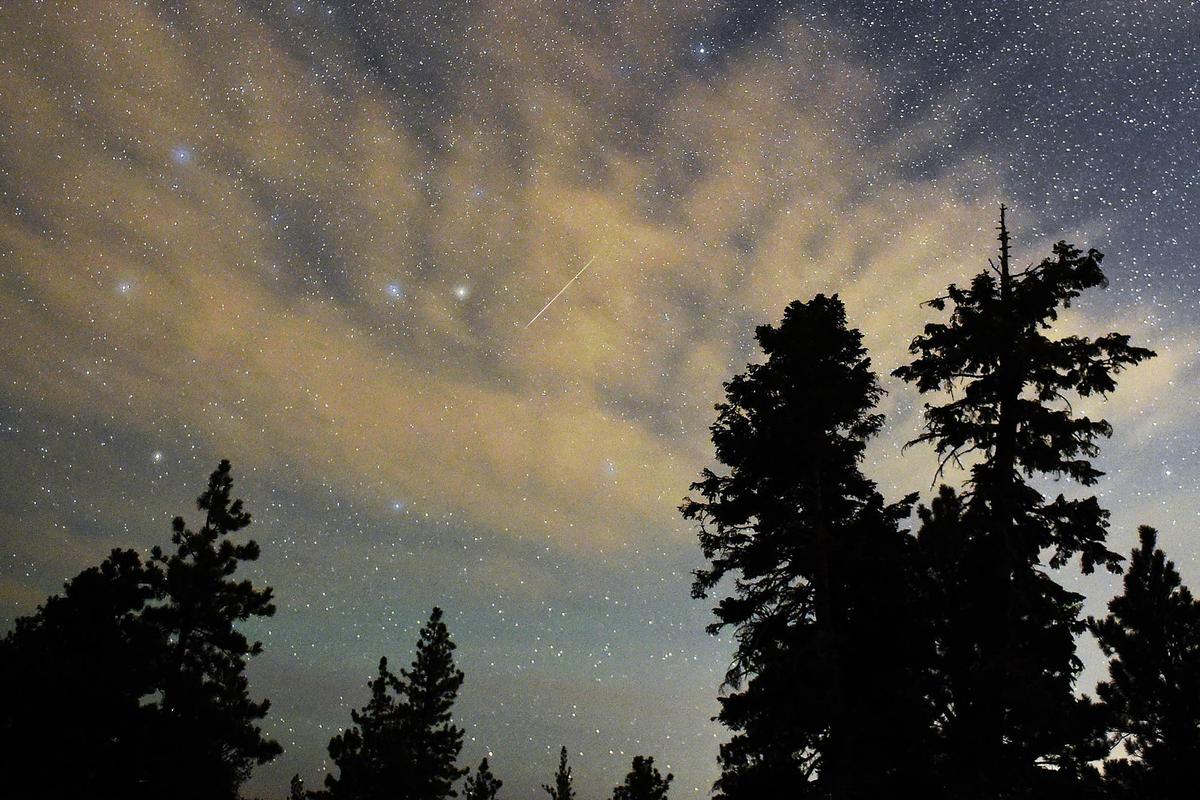
The point from which the Delta Aquariids radiate, the radiant, is located under a southward star formation called the Great Square of Pegasus and nearly overlaps the faint star Skat, or Delta Aquarii—hence the name Delta Aquariids. You can find this faint star just above the bright star Fomalhaut.
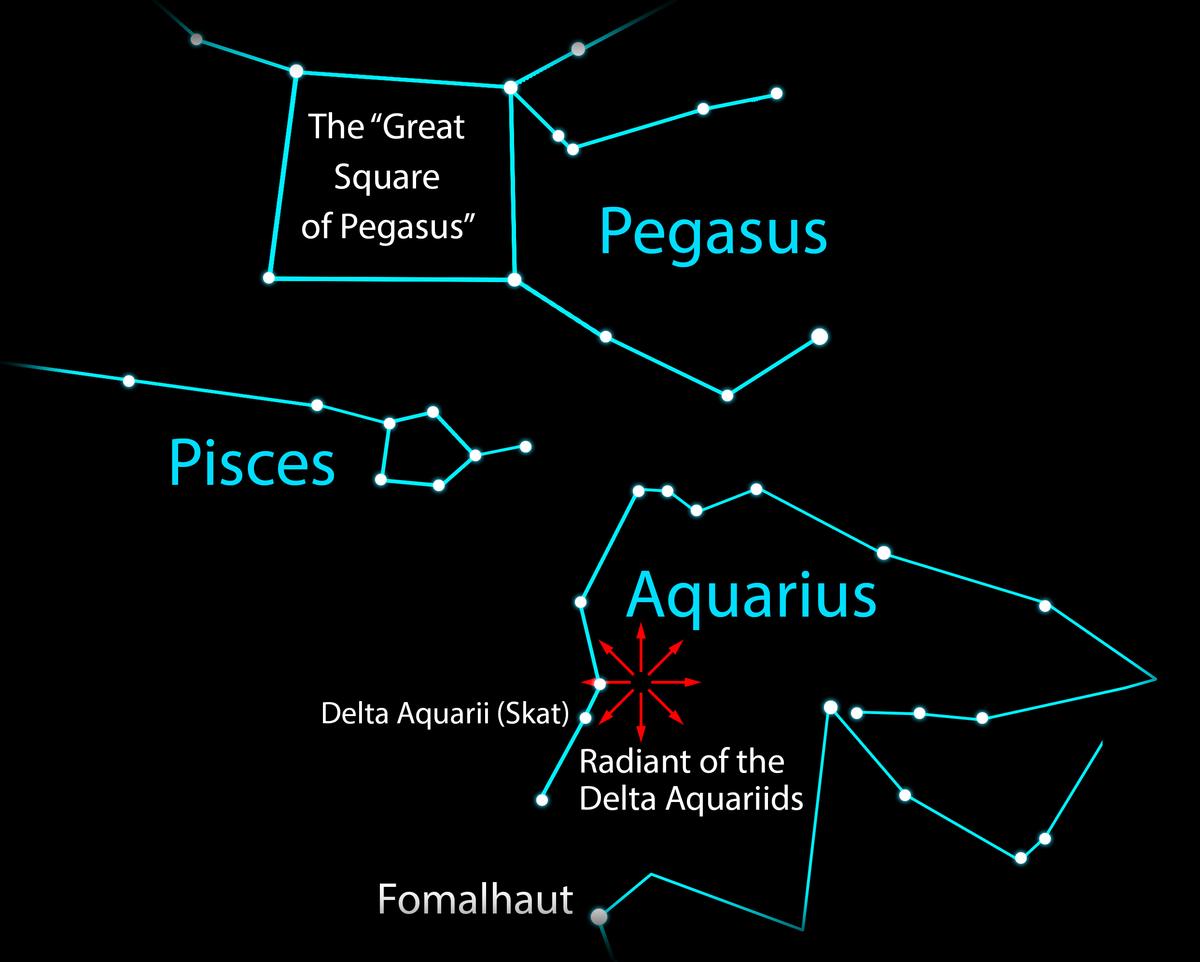
However, the radiant isn’t where meteors will be spotted. Since they’re zipping inbound at uncanny speeds, tens of thousands of kilometres per second, you simply won’t see them at all unless they’re angled off your line of sight, thus showing you their elongated profiles. So, know that the radiant rises to the south and reaches its highest around 2 p.m., but use that only for reference purposes and scan the entire sky.
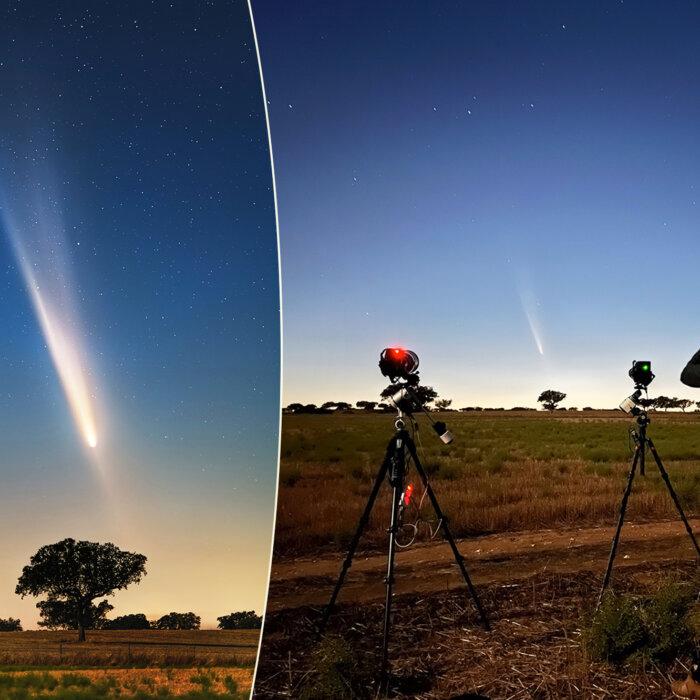
In general, this meteor shower favours observers in the Southern Hemisphere and is often discounted by those up north, yet the southern United States will still boast a pretty good view.
What Are the Delta Aquariids and Where Do They Come From?
It might seem odd that meteors fall on a fixed yearly schedule, and that they radiate from a fixed point in space. The reasons tie into what meteors are, inherently, and where they come from. Here’s the deal.Meteors begin their lives as particles of frozen gas and dust in space, the leftover debris of passing comets travelling along great orbits, often beyond the solar system. Debris streams orbiting through space sometimes intersect with Earth’s orbit and create meteors. Space particles hit Earth when we reach that point. Meteors are caused by those space particles igniting as they strike our atmosphere and fall to Earth.
The dust stream of the Delta Aquariids is believed to be 20,000 years old; it formed after breaking off the comet 96P/M Machholz, which orbits the sun once every 5.3 years. Comets are like dirty snowballs, amalgams of rock and frozen gasses, like ammonia. Comet 96P/M Machholz’s path brings it eight times closer to the sun than Earth—that’s within Mercury’s orbit—where it gets mighty hot.
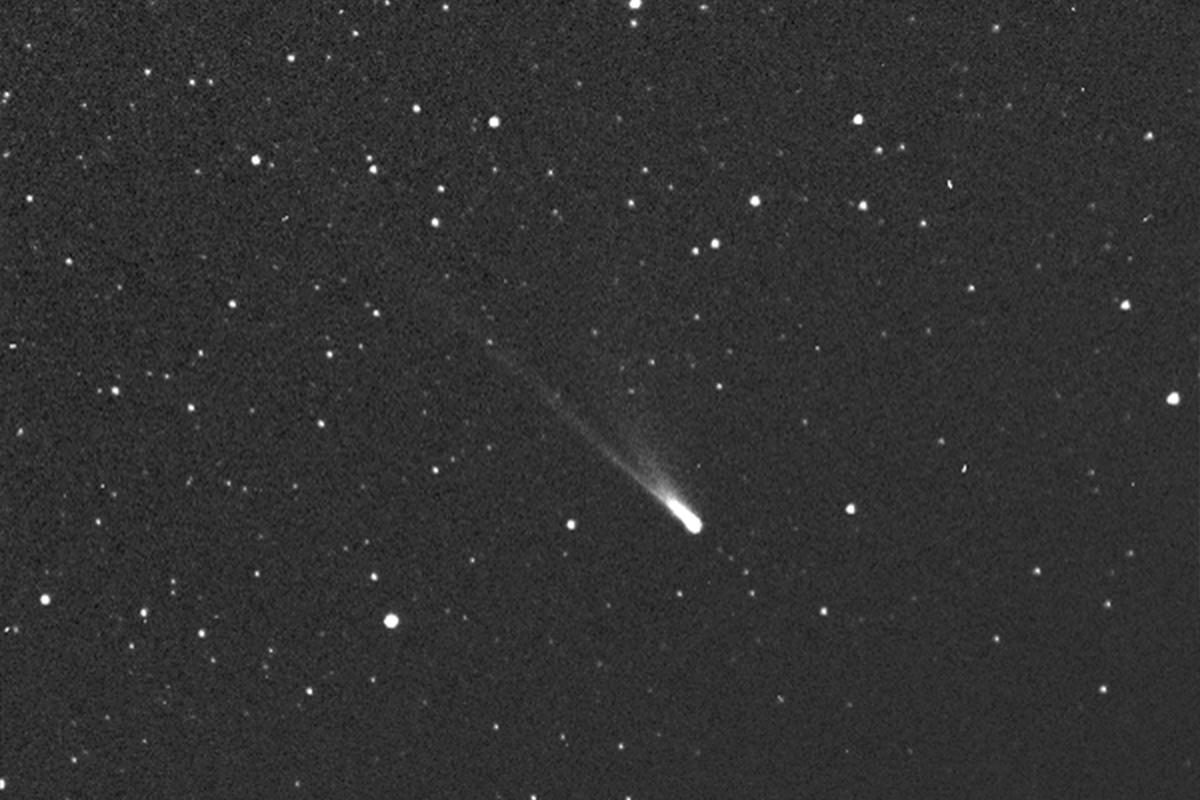
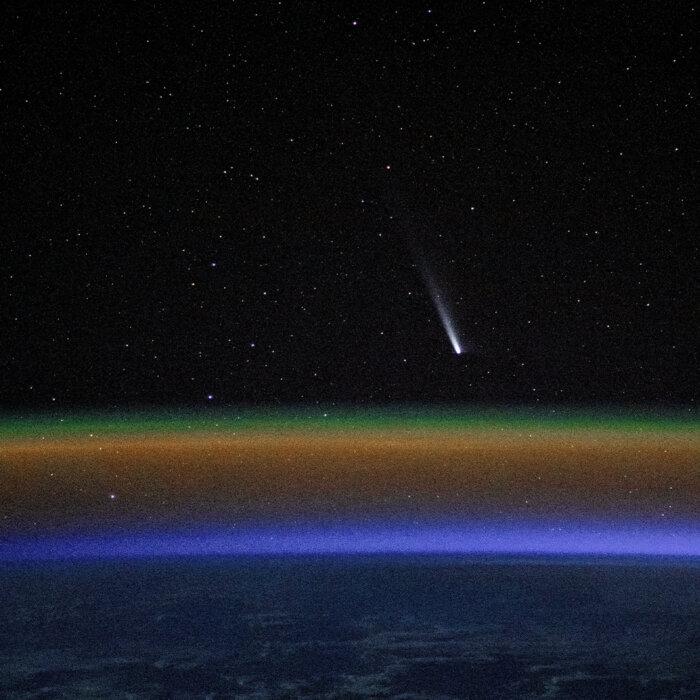
When comets near the sun, intense heat makes them sublimate. As the ice turns to gas, the comet takes on a glow and forms a fiery tail. It sheds its matter to form vast complexes through space, stretching millions of kilometres. These may become meteors.
The Delta Aquariids’ parent comet was first discovered in 1986 by the late astronomer Don Machholz. As the story goes, on May 12, 1986, Machholz summited the craggy Loma Prieta peak near San Jose and erected his 100-pound homemade binocular apparatus to sight new comets. The night did not disappoint.
Sweeping the sky from high to low, left to right, Machholz spotted a “fuzzy object” two degrees south of the Andromeda galaxy. Tracking its movement over several hours, he found it was comet.
Years later, in 2005, astronomers described the larger Machholz complex. They found that both 96P/M Machholz and the Delta Aquariids—plus eight other meteor showers, two comet groups, and at least one asteroid—all share the same origin.