Influencers once held the digital sceptre making us believe we needed everything from glow-in-the-dark yoga mats to miracle mascara that could make your lashes longer than a fishing line.
But those days are over, and now we stand at the dawn of a new era, one where people have finally realised that not every celebrity endorsement is the gospel truth.
Today, only 3 percent of consumers still fall for the celebrity sell.
Yes, no more are we swayed by the likes of celebrities waving their latest miracle product in front of our glazed-over eyes.
The other 97 percent? Well, we’ve grown tired of the endless parade of #ad, #sponsored, and #blatantlylyingtoyourface.
So, what’s gone wrong?

Oh, just a few things, like influencers sneaking undisclosed sponsorships into their feeds, buying fake followers to puff up their importance, and bombarding us with repetitive, commercialised content that feels more like a shopping channel marathon than genuine human interaction.
The Nano-Influencer
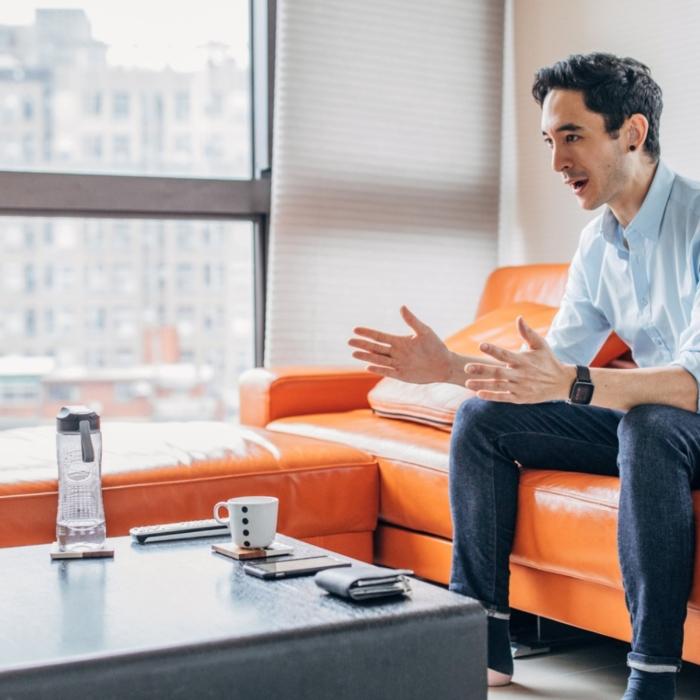
Sabri Suby, founder and head of growth at digital marketing agency King Kong, points out that influencers who oversaturate their feeds with brand deals often weaken their relationship with their followers, causing a dip in trust.This lack of congruence between influencers and the products they promote, has led to a shift where smaller influencers are now gaining traction, offering a more genuine connection with their audience.

The nanos post pictures of their homemade smoothies or their dog surfing and have just a few thousand followers. They’re relatable, affordable, and above all, authentic. And in the influencer hierarchy, they’ve quickly become the darlings of marketing teams everywhere.
Why, you ask? Because they’re trusted! They don’t live in the ivory towers of Instagram fame. They live next door, probably still buying milk at the corner shop, just like the rest of us.
In fact, 85 percent of brands still believe in the power of influencer marketing, and it’s these nano-influencers, with their down-to-earth charm and general lack of pretence, who are leading the charge.
TikTok is their kingdom, AI is their squire, and by 2024, a whopping 60 percent of brands plan to pour more money into their budgets for influencer campaigns.
Not too shabby for someone who only has 3,000 followers and an adorable cat named Terry.

De-Influencing: The New Twist
However, there’s also a new twist in the tale: de-influencing. The very influencers who once told us what to buy are now leading the charge in telling us what not to buy.It’s a delightful exercise in anti-consumerism, where influencers use their platforms to say, “You know what, don’t buy that overpriced hair serum that claims to make you look like Beyoncé, it doesn’t work.”
It’s like watching the high priests of consumer culture suddenly become monks, preaching austerity and minimalism.
Suby explains that this shift towards “de-influencing” reflects a broader change in how influencers maintain credibility.
Instead of mindlessly promoting every product, influencers are now more cautious, understanding that being honest and selective is crucial for maintaining the trust of their audience.
One of the main sparks behind this movement? The infamous #mascaragate scandal of 2023, starring none other than beauty influencer Mikayla Nogueira.
Mikayla, for those blissfully unaware, was accused of using fake eyelashes while promoting a mascara from L’Oreal that promised to make your lashes long enough to swat a fly off your face.
Her followers, ever the detectives, zoomed in on her photos and, to their horror, believed they spotted falsies. The scandal was on, with hashtags flying across TikTok like confetti.

Did Mikayla admit to her alleged crime? Did L’Oreal offer an apology? Of course not. They said absolutely nothing, letting the internet debate itself into a frenzy.
And yet, despite all the uproar, the mascara sold like hotcakes.
You’ve got to admire the irony: in a scandal that could have toppled empires, the product became even more popular. Genius marketing? Or just a lucky break? Who cares!
A Broader Movement Driven By Gen Z
De-influencing isn’t just about saving us from mediocre mascara, though. It’s a broader movement, driven by a Gen Z who value sustainability, thriftiness, and conscious consumption over the flashy, materialistic world of traditional influencer marketing.Suby observes that modern influencer marketing is now less about direct sales and more about creating engaging social content that brands can use across multiple platforms to build credibility and increase conversions.
This shift indicates that influencer marketing is becoming a part of a larger strategy, rather than a standalone sales channel.
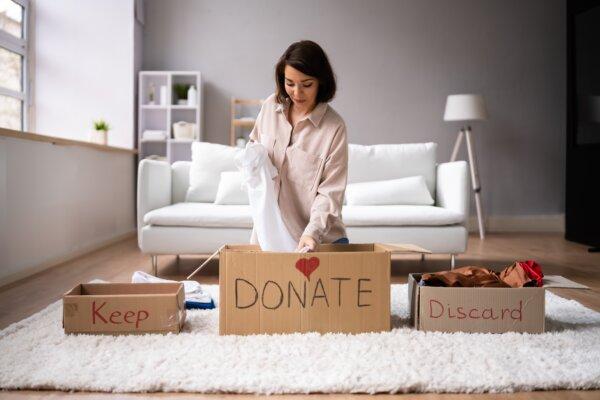
Gen Z influencers now post videos showing off their thrift-store finds, their DIY projects, and their worn-out cars that have somehow survived the apocalypse.
They call it “underconsumption core,” which sounds terribly fashionable and probably involves listening to Norah Jones while painting your own coffee table.
We are now at the crossroads of influencer history.
The nano-influencers are rising, the de-influencers are reigning, and the big-name celebrities are left wondering where it all went wrong. What a time to be alive!
We’ve gone from being told what to buy, to being told what not to buy, and all the while, the marketers are watching us with keen interest, wondering how they can capitalise on this next chapter of social media madness.
The moral of the story?
Influencers may change their tune, but at the end of the day, they’re still influencing us—whether we like it or not.