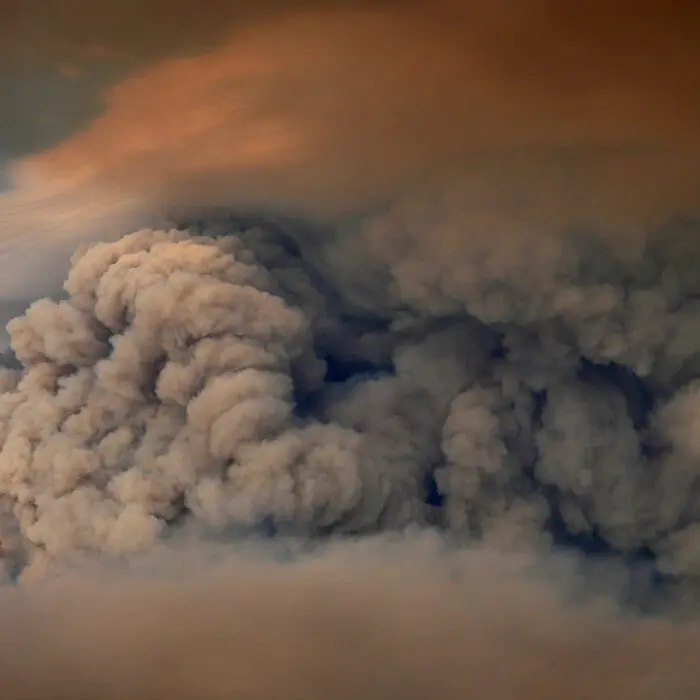
Ontario will continue to experience some of the world’s most hazardous air quality today as wildfire smoke covers much of the province.
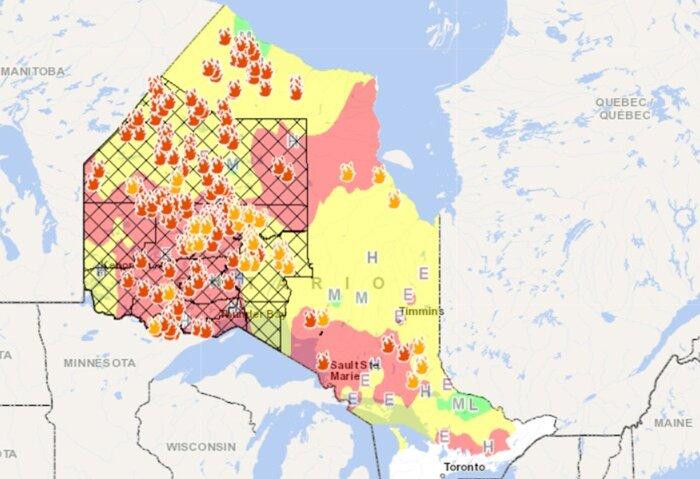
Environment Canada has issued an air quality warning for much of central and southern Ontario as smoke from wildfires raging in the province’s northwest cause another day of poor air quality and heightened health risks.
Areas as far east as Belleville and as far north as Sault Ste. Marie and North Bay were under the same 10+ air advisory.
A change in wind direction from northwest to northeast has brought better air quality to some sections of eastern Ontario. Kingston was classified as a six or moderate risk by Environment Canada during the early morning hours and Ottawa was a three, or low risk.
Toronto
Toronto ranked first globally for poor air quality on July 15 as conditions worsened throughout the day.
IQAir uses the US EPA scale, which categorizes any reading above 300 as “hazardous” and indicates an emergency-level pollution event that carries serious health threats for everyone, regardless of their health status. Toronto had an air quality score of 400.
All outdoor swimming and wading pools that were closed on July 15 will remain closed, city daycares and CampTO programs will operate indoors only, and all outdoor registered programming will be cancelled, postponed, or moved indoors “where possible,” the city said.
Air Quality
Toronto wasn’t the worst on the provincial list, however.
Some areas of Windsor had a particulate matter rating of 434 and Thunder Bay, which is close to the wildfires in the northern part of the province had a rating of 443.
Environment Canada is recommending anyone forced to spend time outside wear a “well-constructed, well-fitting and properly worn respirator type mask,” but warns that even a mask won’t eliminate health risks.
People 65 or older, pregnant women, infants and young children, those with pre-existing illnesses or chronic health conditions, and outdoor workers are more susceptible to the effects of wildfire smoke, the agency said.
Common symptoms of smoke exposure include eye, nose and throat irritation, headaches, and a mild cough.
“More serious but less common symptoms include wheezing, chest pains or severe cough,” Environment Canada said. “If you think you are having a medical emergency, seek immediate medical assistance.”