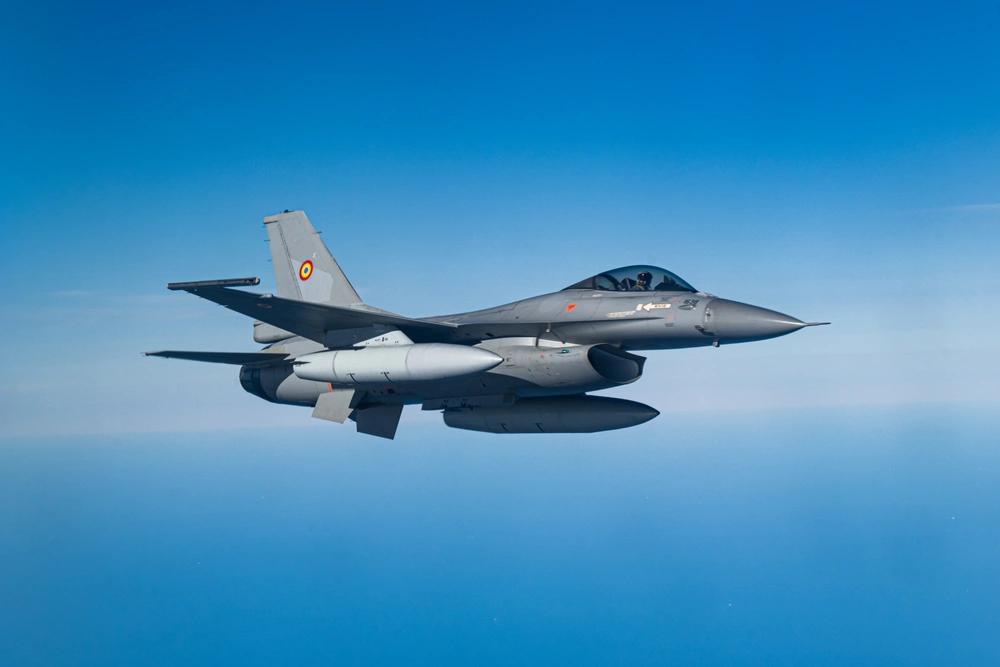
The Czech Republic will miss its minimum NATO spending target again this year, according to the country’s prime minister, but will aim to hit it by 2027.
Prime Minister Andrej Babis said in a June 19 Facebook post that the previous government had not met its defense spending target of 2 percent of gross domestic product (GDP) in four years, and “not even our government will meet 2 percent GDP for defense this year.”
Babis said that the priority for his government was to put public finances in order, but affirmed that strengthening the Czech Republic’s defense capacity was also a priority.
Since taking office in December 2025, Babis’s cabinet has raised spending to subsidize energy prices and fund road building, as well as increasing this year’s overall budget deficit beyond the level proposed by the outgoing government.
He said that his government would need to invest in the army systematically, and according to a plan.
“Raise military salaries, improve service conditions, modernize technology, strengthen air and anti-drone defense, support the domestic defense industry and make sure every penny spent on defense has a real contribution to the security of our Nation,” he said.
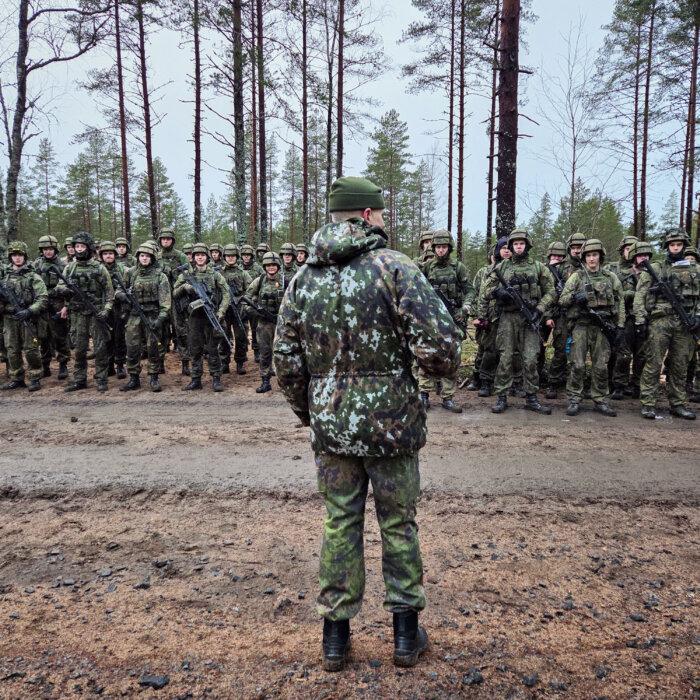
“And that is why I am convinced that we will be able to meet the 2 percent GDP limit next year. Not all in one place, but as part of a long-term plan.
“In the coming years, we will then increase defense spending responsibly and so that they match the security situation and our allied commitments.
“We take the defense of the Czech Republic and our commitments to our allies seriously.”
Babis had said in February that the country is not on track to meet the defense spending target set by NATO last year, after saying before the election that the spending target for his country was unrealistic.
In June 2025, NATO allies agreed to raise defense spending targets from 2 percent of GDP to 5 percent by 2035, split between 3.5 percent for core defense and 1.5 percent for other related areas, such as security and infrastructure.
Lithuania Commits to 5 Percent
Lithuania’s coalition government on June 18 committed to binding the government to maintain defense spending at least 5 percent of GDP, among the highest in the alliance.
Other NATO members along the Eastern Front have also reaffirmed their intention to increase defense spending, including Bulgaria.
In May, Bulgarian Prime Minister Rumen Radev said his country had reached 2 percent and was consistently making progress to increase spending.
“We are determined to take the next step by gradually increasing our budget to 5 percent to meet our defense commitment,” Radev said on May 28.
Poland has also said that countries should endeavor to meet that NATO target by the start of the next decade.
“There’s no point in waiting until 2035 for 5 percent—it must be achieved by 2030, because later may be too late,” Polish Deputy Prime Minister Wladyslaw Kosiniak-Kamysz said on May 6.
The push for Europe to do more to secure its own defense came as the United States reoriented its defense and security priorities.
On Jan. 23, the Pentagon released its National Defense Strategy, which outlines the U.S. plan to prioritize homeland defense, including by “defending America’s interests throughout the Western Hemisphere.”
The document also states that the United States would encourage partners in other parts of the world, including Europe, to take primary responsibility for their own defense “with critical but limited support from U.S. forces.”
Review of US Force Posture in Europe
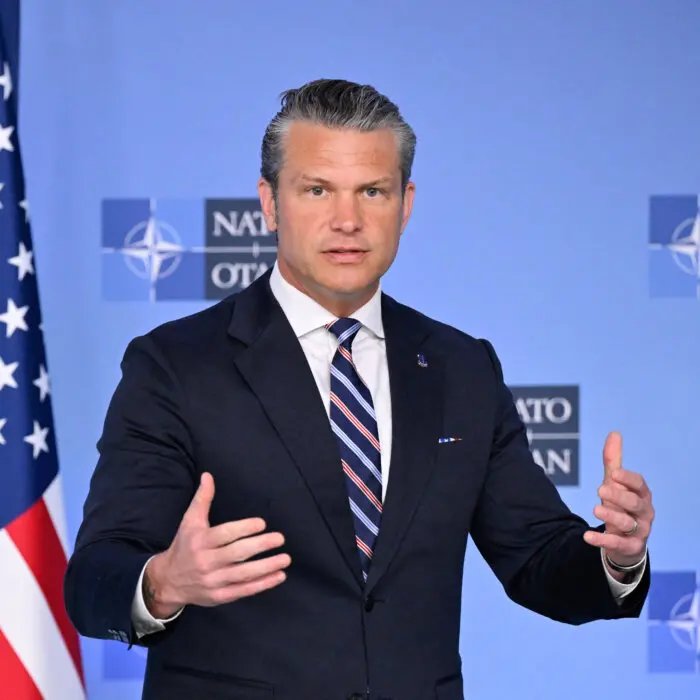
On June 18, U.S. Secretary of War Pete Hegseth ordered a six-month review of American troop deployments in Europe.
Speaking at a meeting of NATO defense ministers in Brussels, Hegseth described the review as part of a broader transformation of the alliance into “NATO 3.0”—a return to what he characterized as the alliance’s original mission, with a focus on deterrence and warfighting.
“It will be designed to ensure that NATO is moving fast and irreversibly toward Europe leading, stepping up to take primary responsibility for the defense of Europe, stepping up to ensure our forces are postured for America’s global needs,” Hegseth said.
Although the secretary of war did not question the U.S. commitment to collective defense, he indicated that allies failing to meet spending targets could see reductions in contributions from the United States.
“Going forward, our annual NATO dues will be contingent on other countries meeting their defense spending targets,” Hegseth said.
“Where other allies do not spend with urgency, our dues contributions will go down. ... It’s a review that some countries will fail and others will pass with flying colors.”
Reuters and Tom Ozimek contributed to this report.