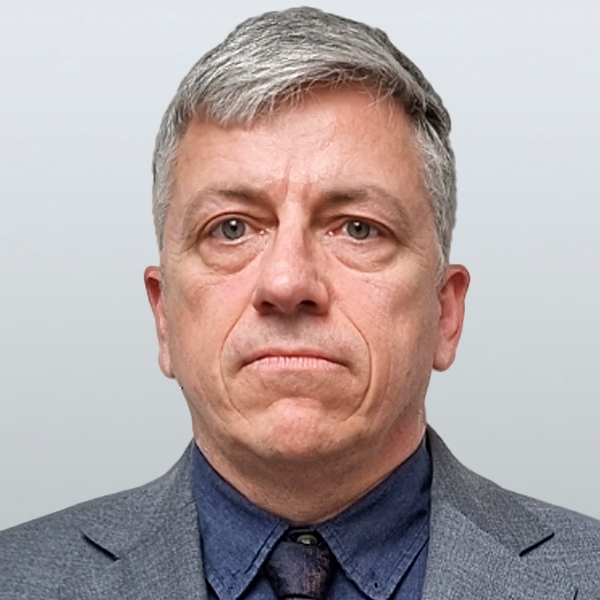
Cuban leader Miguel Díaz-Canel said on March 13 that the island’s communist regime has held talks with the United States.
Díaz-Canel said the talks with the United States “were aimed at finding solutions through dialogue to the bilateral differences between our two nations. International factors facilitated these exchanges.”
He said the talks were based on Cuba’s “sovereignty and self-determination.”
Díaz-Canel said the aim was “to determine the willingness of both parties to take concrete actions for the benefit of the people of both countries.”
Could Cuba Follow Venezuela?
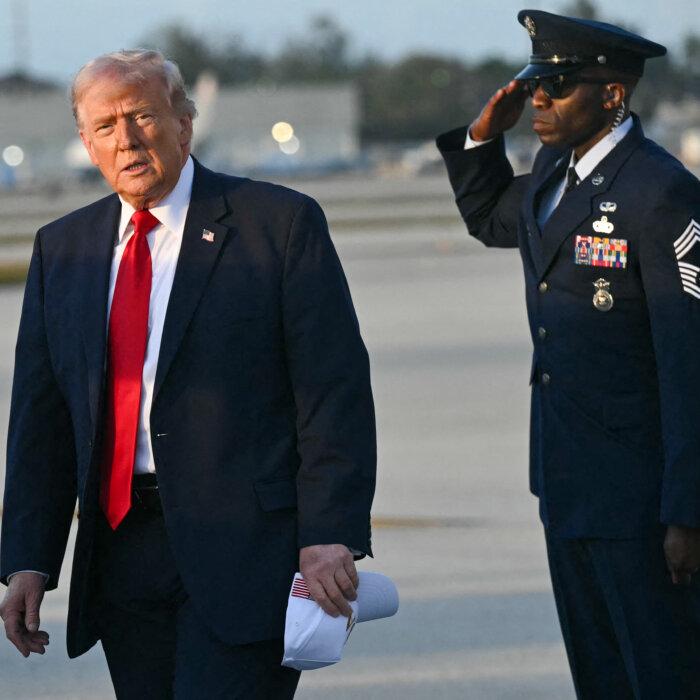
“As we achieve a historic transformation in Venezuela, we’re also looking forward to the great change that will soon be coming to Cuba,” Trump said. “They have no money. They have no oil. They have a bad philosophy. They have a bad regime that’s been bad for a long time.”“It may be a friendly takeover, it may not be a friendly takeover,” Trump said.
“This dialogue is essential,” Mexican President Claudia Sheinbaum said on March 13.
Sheinbaum declined to say if Mexico had been involved in diplomatic moves to get the talks going, but said, “Let’s say we’ve promoted dialogue with both U.S. and Cuban authorities.”
“Mexico will continue to support the Cuban people in every way possible,” Sheinbaum added.
Díaz-Canel, 65, took over as Cuba’s leader in 2021, following the resignation of 89-year-old Raúl Castro, whose brother Fidel led the communist regime until 2011, and died five years later.
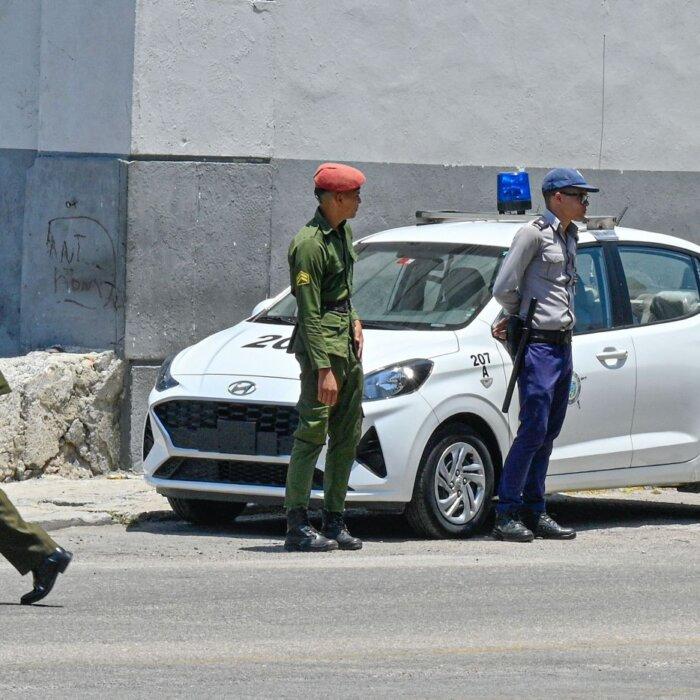
Díaz-Canel has said Cuba has received no petroleum shipments in the past three months, and the island’s western region was hit by a complete power outage last week, leaving millions without power.
He said the shortage of fuel oil and diesel meant two power plants had to shut down.
‘The Impact is Tremendous’
“The impact is tremendous,” the Cuban leader said.“Without energy, no country can produce at normal levels. All of this has meant making adjustments to employment.”
He revealed that more than 115 bakeries had switched to burning firewood or coal.
Díaz-Canel said Cuba was running on natural gas, solar power and thermoelectric energy.
He added that 955 solar panels had been installed in homes in the countryside, and more solar farms would come online before the end of the month, which could add 100 megawatts to Cuba’s electricity grid.
“Even with everything we’re putting together, we still need oil.”
The Trump administration and the Vatican have both been putting pressure on Cuba to release prisoners.
In January 2025, Cuba released prominent dissident José Daniel Ferrer, following talks with the Vatican.
Ferrer left Cuba in October and now lives in the United States.
The nonprofit Prisoners Defenders said that, as of February 2026, there were still 1,214 political prisoners in Cuba.