DUNCAN, B.C.—A planned overhaul of rural zoning rules in Vancouver Island’s Cowichan Valley, a region of small farms, artisanal shops, and lifestyle-focused residents, has been put on hold after weeks of public backlash.
At the centre of the dispute is a clash between global planning priorities shaping local zoning, focused on environmental protection, housing regulation, and standardized land-use rules, and the practical realities of rural living. It’s a situation that’s increasingly playing out in communities across Canada and beyond.


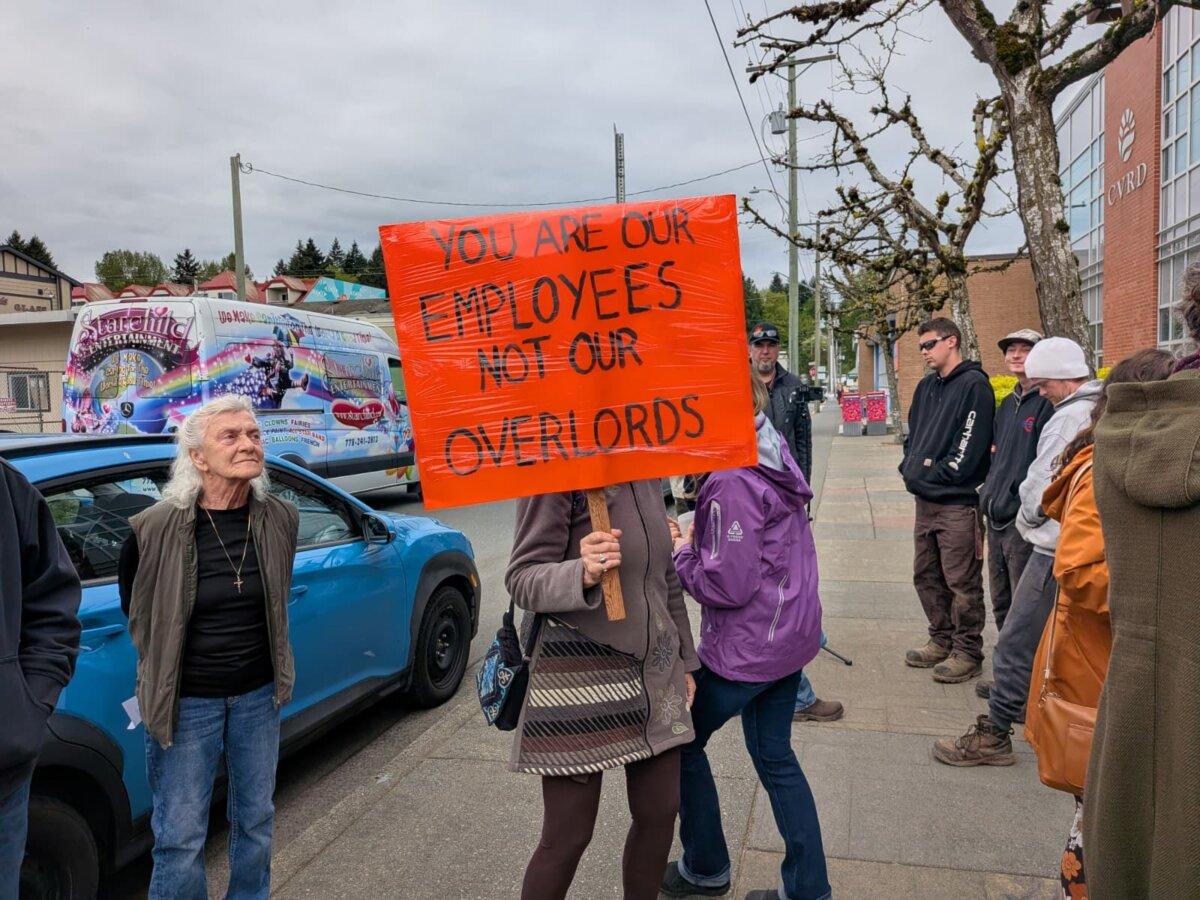
‘Most Restrictive Rule Applies’
The proposed zoning bylaw would prohibit any land use not explicitly permitted in the books, meaning activities such as certain home businesses or farming practices could be deemed illegal if not listed. It also introduces a “most restrictive rule applies” standard—when multiple regulations overlap, the strictest one governs. Violations could incur fines of up to $50,000 per offence, per day if pursued through the B.C. Supreme Court.The bylaw overhaul would tighten rules on secondary dwellings such as tiny homes and RVs, require multiple layers of permitting for a single project, and restrict how land can be subdivided.
The overhaul also expands permit requirements for activities in environmentally sensitive areas and increases setbacks from water bodies.
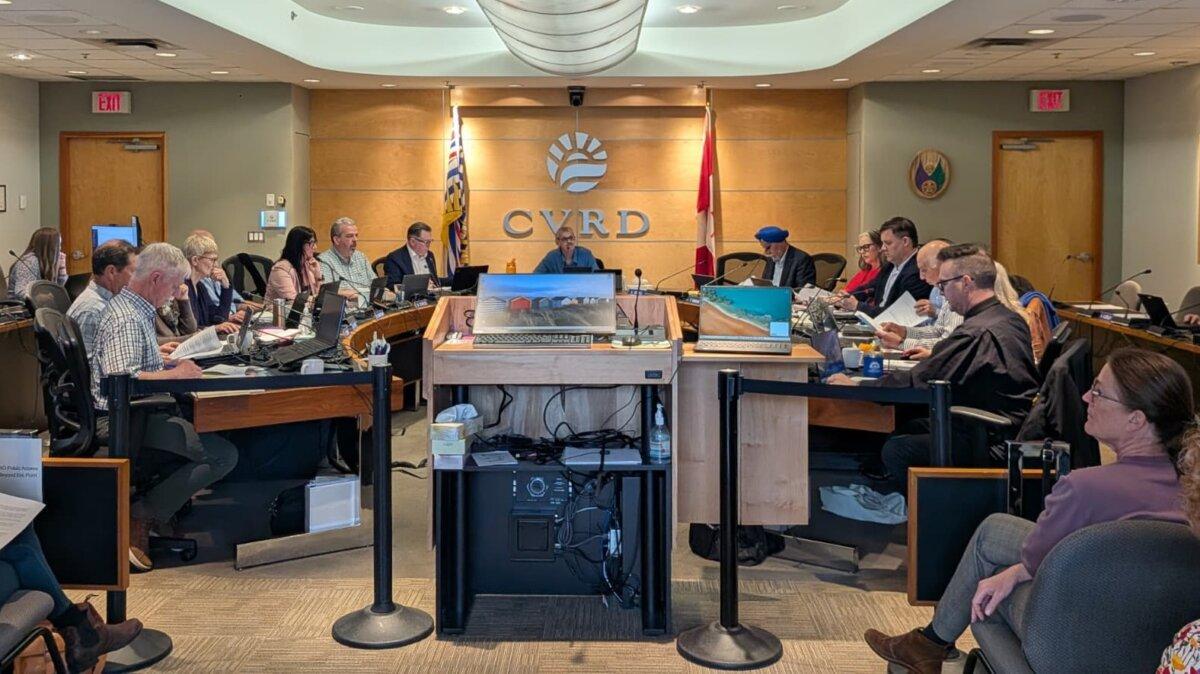
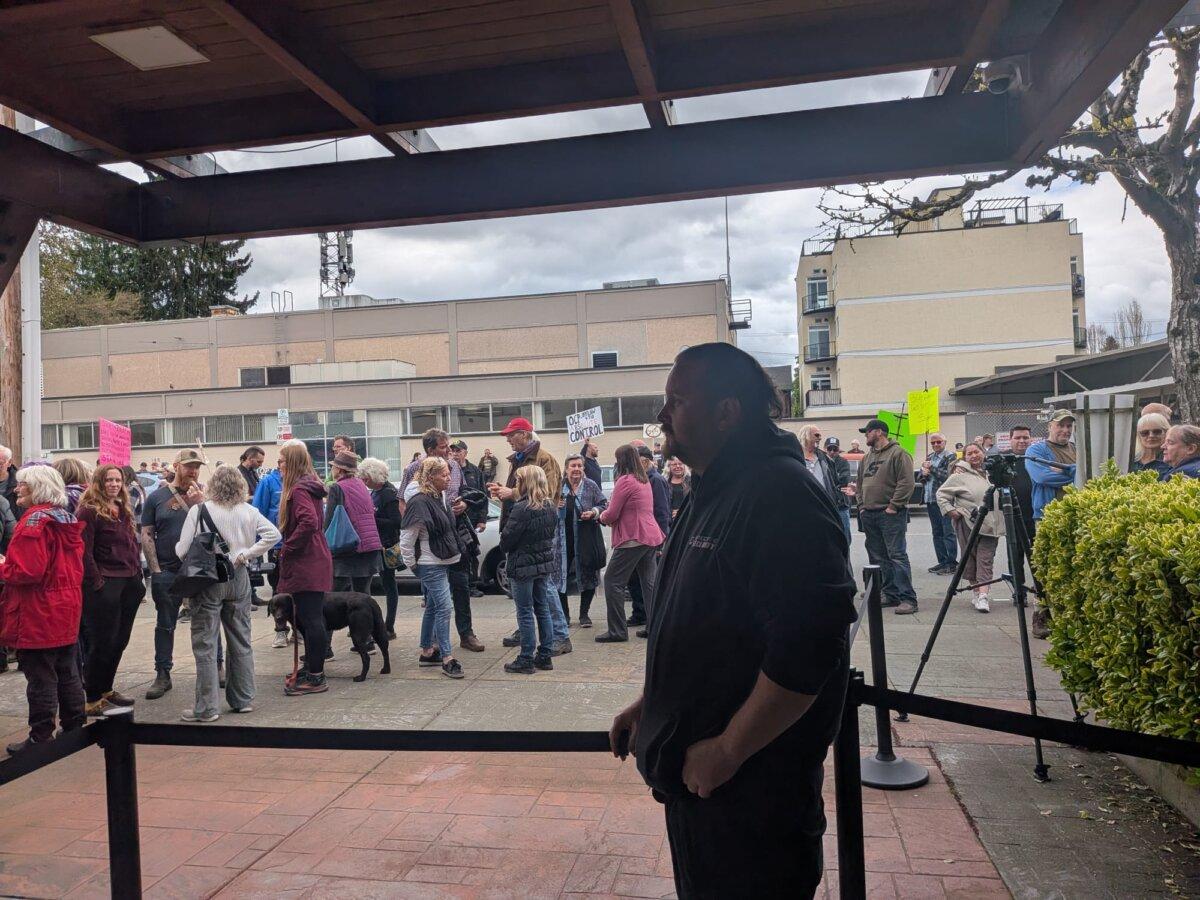
On April 22, the regional district board voted to pause the overhaul for six months following weeks of backlash in the normally laid-back community that included intense lobbying, protest meetings, name-calling, and occasionally bitter sentiments on both sides.
While supporters on the regional district board had said the proposed changes were meant to modernize fragmented bylaws and regulations across the region’s nine electoral districts, many residents argue the initiative was an overly restrictive restructuring of how people live, farm, and use their land.
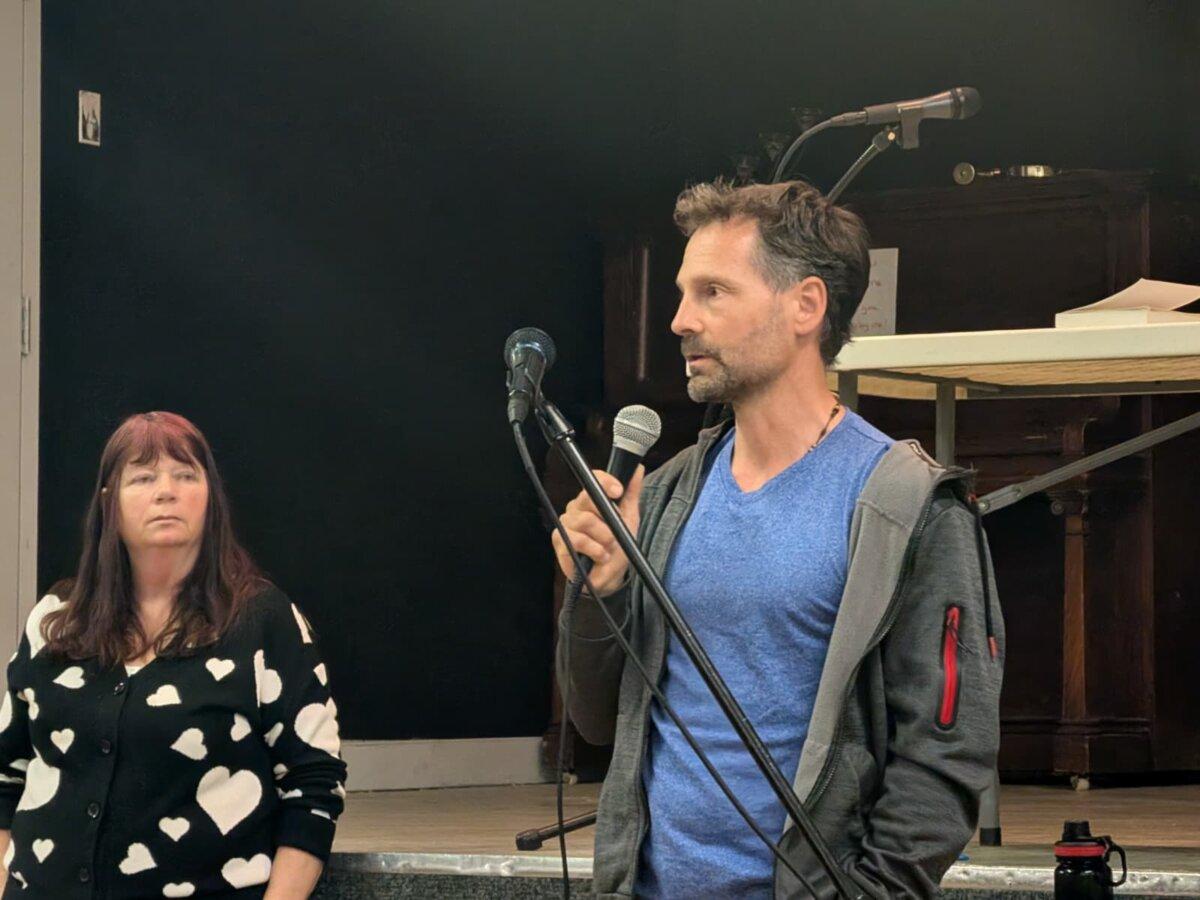
Retired farmer Brian LaRose said the overhaul would hurt him in a number of ways, including forcing out an elderly man who he allows to live in a trailer on his property.
“He said he would be devastated if it goes through,” LaRose said at a gathering of about 100 local residents on April 20 to discuss resistance to the plan. “He’s got heart issues. He’s a diabetic, and everything else.”
Global Goals, Local Bylaws
Adrienne Richards, co-chair of the Cowichan Valley-focused Citizens Oversight and Accountability Project, said the April 22 vote to pause the bylaw overhaul represents an “amazing win,” particularly because the clash is part of a global story.“We’ve been fighting this stuff for a long time,” said Richards, referring to local promotion of global planning policies, such as the United Nations’ Sustainable Development Goals (SDGs).
“Every policy goes through that lens,” she said in an interview with The Epoch Times.
Indeed, the dispute drew attention to broader planning frameworks and groups influencing local governments around the world, including the SDGs, a set of global targets for sustainable development, including climate action, land use, and urban planning.
While municipalities such as Duncan, the largest city in the Cowichan Valley, explicitly reference the SDGs in planning documents, the district itself incorporates many of the objectives indirectly through policies focused on land-use controls, emissions considerations, and environmental safeguards.
The district is also a member of Germany-based Local Governments for Sustainability (ICLEI), which promotes SDG-related targets among member municipalities. Documents from the Cowichan Valley district also show the use of ICLEI planning tools, including its Building Adaptive and Resilient Communities methodology, in shaping local climate strategies.
The Cowichan Valley district’s Official Community Plan outlines a long-term vision for land use based on a “transect framework” that regulates development intensity from rural to urban zones, an approach in line with SDG themes such as sustainable cities, environmental protection, and climate action.
Richards said she is particularly happy that the pushback in Cowichan Valley seemed to cross political boundaries.
‘Loss of Trust’
Regional district board chair Kate Segall, a key supporter of the regulations, acknowledged the intensity of the backlash and ended up voting in favour of the pause.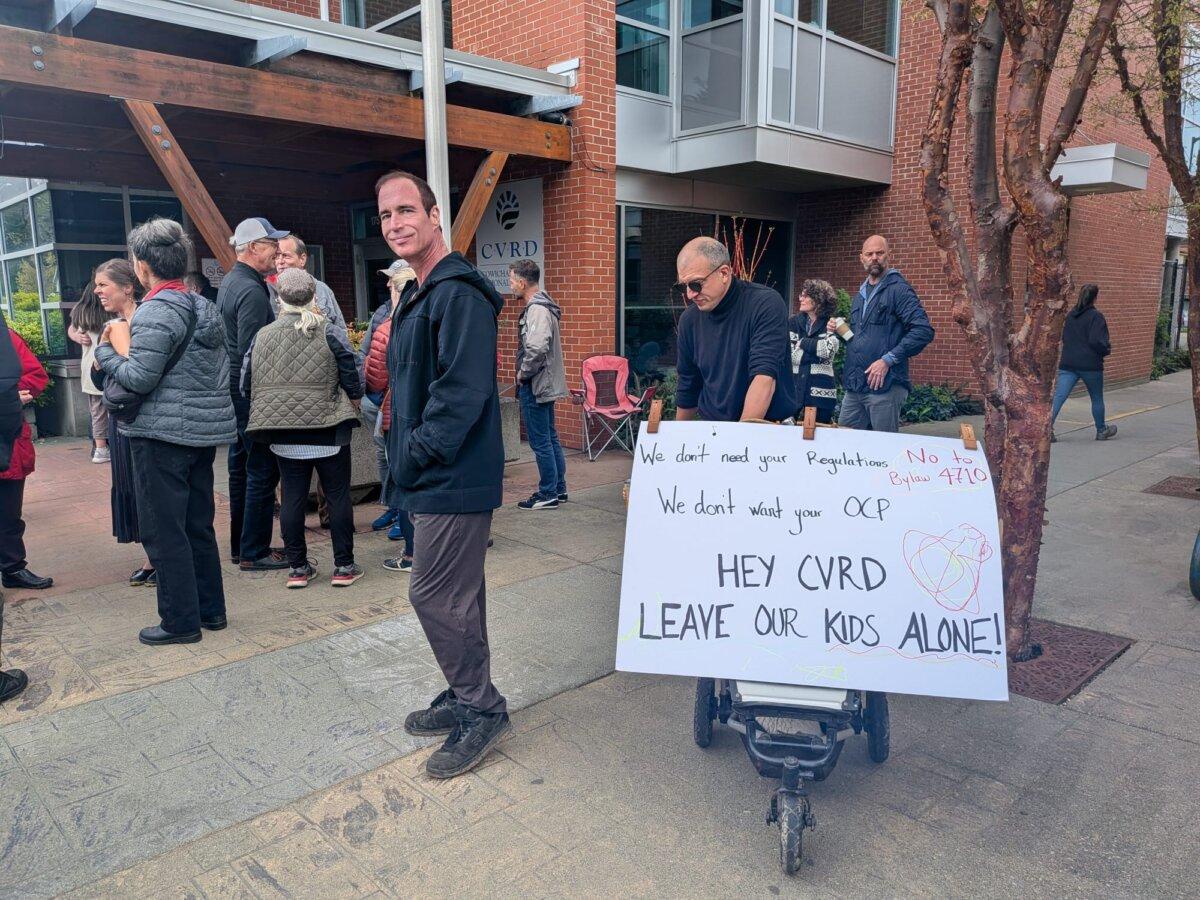
She added that the decision to start the work on implementing the overhaul “was made collectively, unanimously by all of the directors, and so therefore we share this responsibility for how it unfolded.”
As opposition grew, several directors who had supported the changes switched to supporting the pause.
Mike Wilson, director for Area C (Cobble Hill) of the Cowichan Valley, said this is partly due to the increased engagement of the public with local government.
More Clashes
The clash in the Cowichan Valley is a notable case of a rural community pushing back, but it’s not the only one.A similar case arose in Ontario’s Prince Edward County when the local authorities introduced stricter bylaws on short-term rentals and rural zoning, most notably between 2021 and 2023.
Rural residents raised concerns about property rights and impacts on income. In the face of sustained protest, the county scaled back some provisions, adjusted licensing rules, and continued to revise the framework.
In the Regional District of Kootenay Boundary in B.C., zoning rules were tightened between 2018 and 2020 around tiny homes, RVs, and off-grid living. Residents protested, saying the rules threatened affordable housing. Eventually, the regional board softened its approach and opened discussions on flexibility.
Across the country, land-use policy is increasingly caught between local attempts to cope with a struggling local economy and policies created in distant cities that demand climate change action and strict zoning redefinitions. Local control is coming up against centralized planning in increasingly noticeable ways.
The Cowichan Valley district is expected to revisit its bylaw overhaul after local elections in October, and opponents say they are already vetting new candidates to run for the board who can replace a number of electoral area directors who have supported the measure.