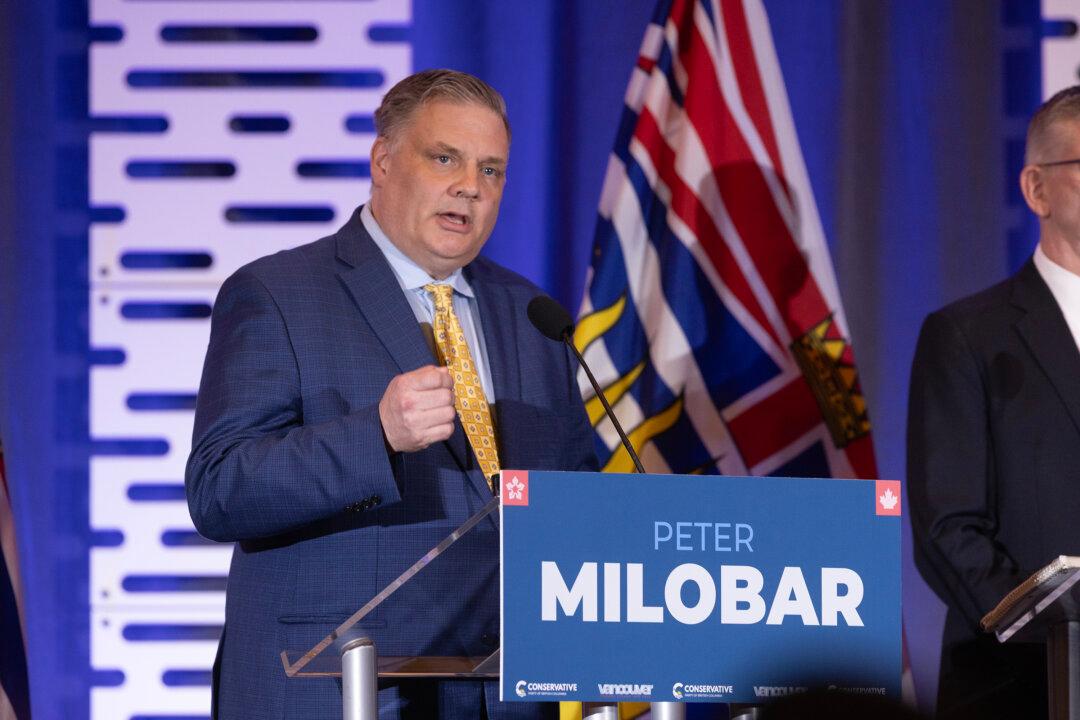
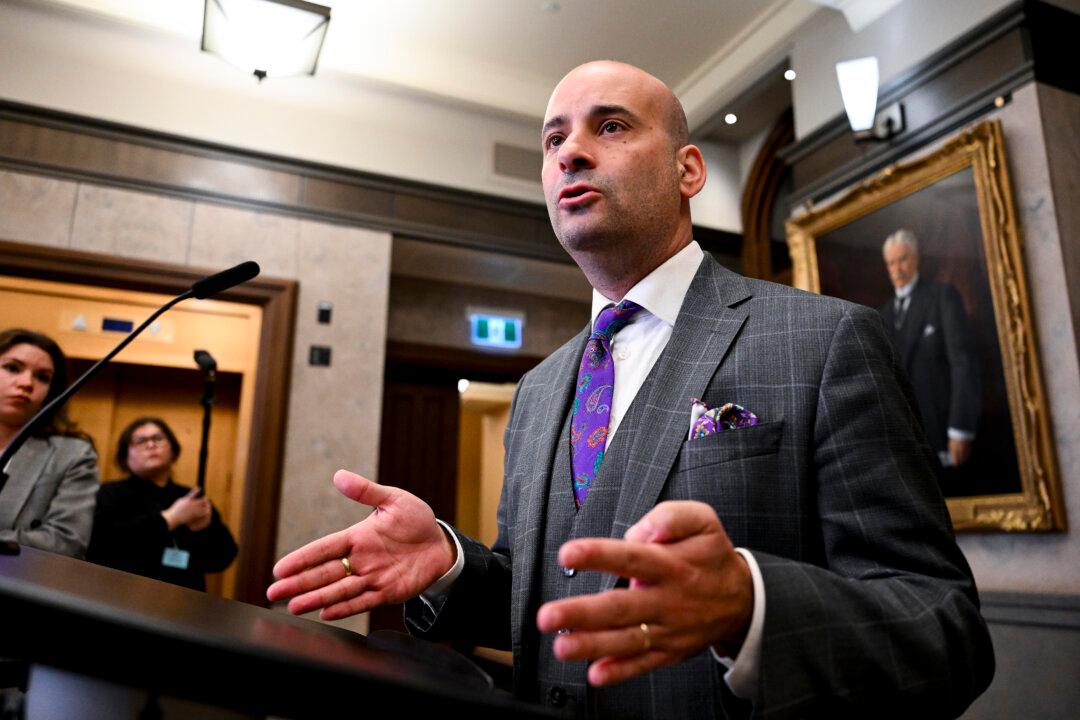
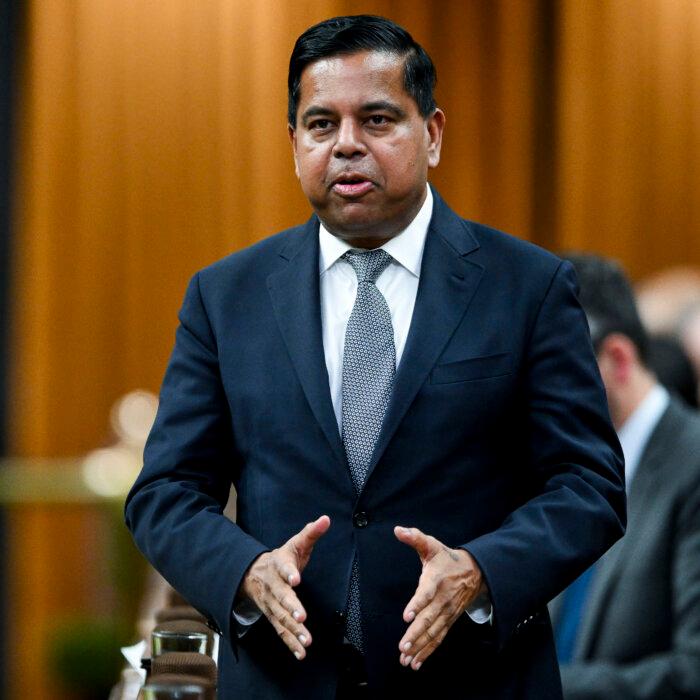
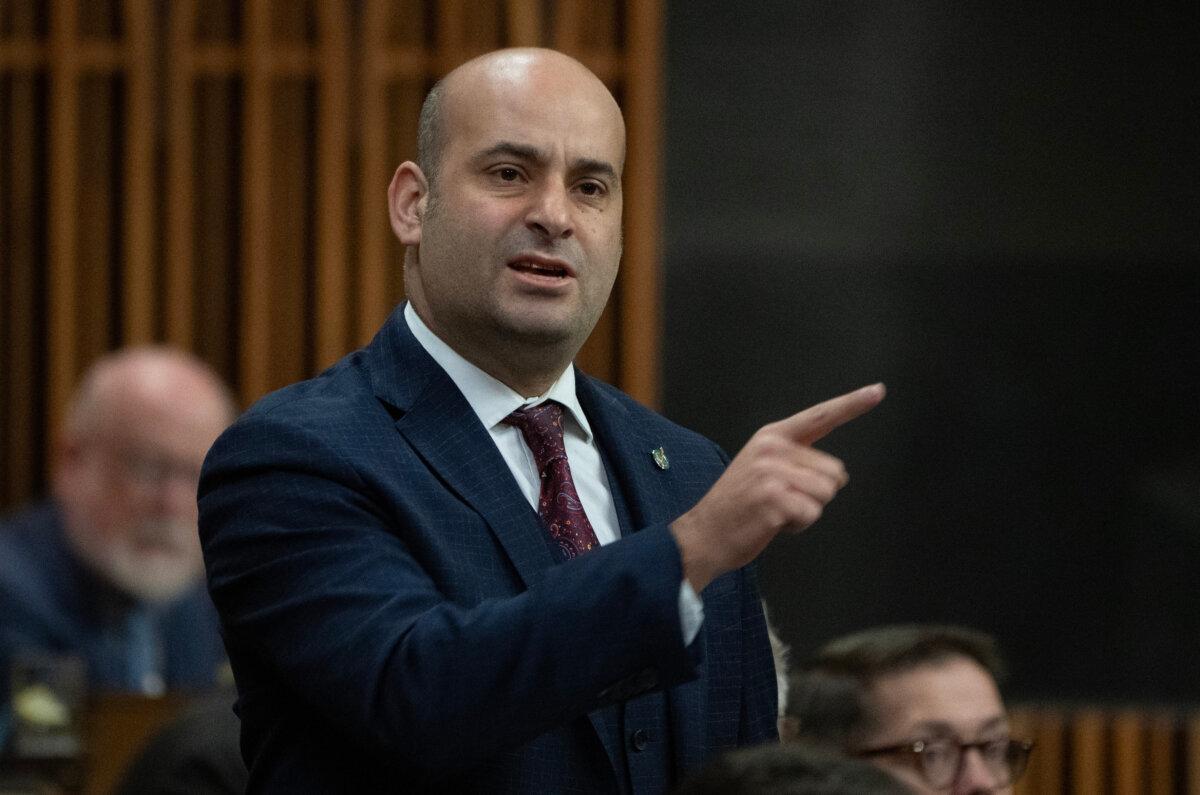
Caputo told Public Safety Minister Gary Anandasangaree that a judge would find him in “contempt” for not clearly answering his questions related to the MOU, asking whether Beijing has a veto over Ottawa’s release of the text of the agreement on cooperation between the RCMP and China’s Ministry of Public Security in combating crime.
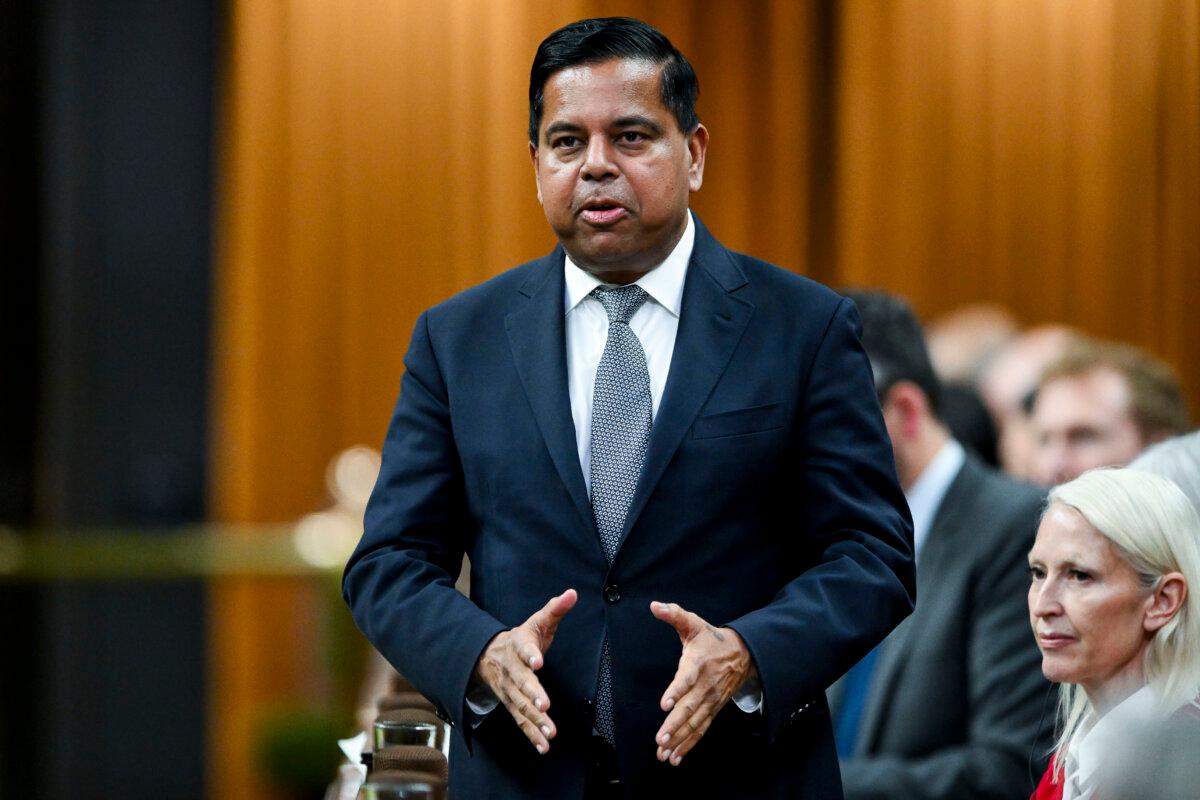
The heated exchange occurred as Anandasangaree answered questions before MPs at the House Committee on Public Safety and National Security on May 28.
“We would not disclose anything in the agreement without their permission, and mutually they would do the same,” he said.
Anandasangaree said it is solely up to the Canadian government whether or not to release the text of the documents, but noted that multiple MOUs signed with China in the past have been kept secret.
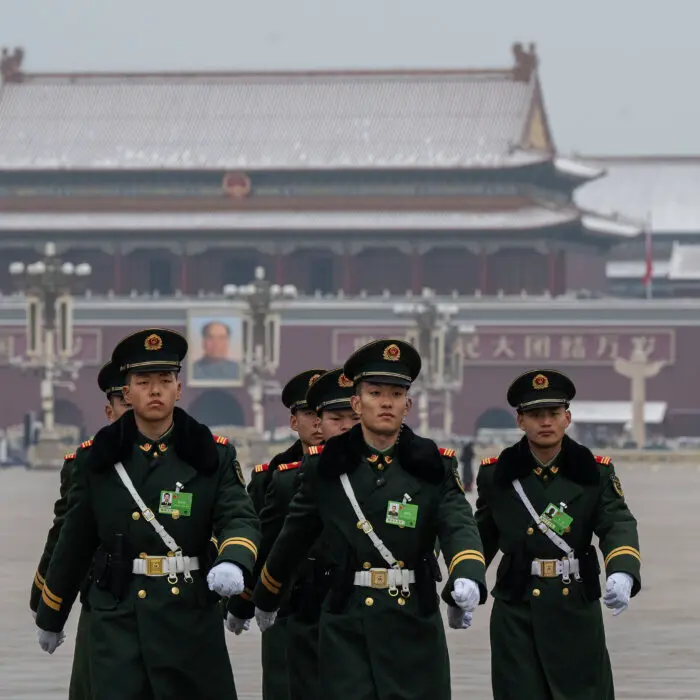
“Since 2010 we’ve had multiple MOUs on security with the Chinese government, they have never been made public,” Anandasangaree responded.
‘Greatest Security Threat’
Caputo pressed the safety minister to answer why Ottawa and Beijing signed the MOU given Carney’s comments last year describing China as Canada’s “greatest security threat.”Anandasangaree said Canada’s deepening ties with China are motivated by economic interests and doing what’s best for Canada’s future.
“In the last year, significant world developments—I don’t want to insult your intelligence—have taken place, where Canada needs to expand its trade relations,” Anandasangaree said.
Caputo responded with consternation.
New Reality
A recent inquiry into foreign interference said in its final report in 2025 that various foreign states, and in particular, China, have tried to interfere in Canada’s democratic processes multiple times.While Justice Marie-Josée Hogue, who oversaw the inquiry, said there was no proof that this interference had changed election outcomes, she cautioned that Canada’s democratic institutions are under a “real” and “persistent” threat.
Referencing the inquiry, Caputo said Canada–China relations are no longer in the same atmosphere they were in under former Prime Minister Stephen Harper after Anandasangaree referenced several security-related MOUs signed by China under the Harper administration.
“There wasn’t a foreign interference inquiry,” Caputo said.
“We had members of Parliament that lost their seats because of foreign interference that happened under your government’s watch,” he added.
Former Tory Leader Erin O'Toole has testified he was the subject of a Chinese disinformation campaign in the 2021 election, while former Conservative MP Kenny Chiu said he believes he lost his race in 2021 due to foreign interference. Both have been vocal critics of China’s rights abuses.
Anandasangaree rejected suggestions by Caputo that Ottawa may be acting under pressure from the Chinese regime.
Motion
In giving notice of his motion calling on Ottawa to release the full text of the MOU, Caputo said it’s about “transparency.”“Transparency demands that this be released ... People in this House, let me be clear, people in this chamber potentially lost their seats because of foreign interference,” he said.
After giving notice of motion, committees generally require at least 48 hours’ notice before it can be debated and it is then put on an agenda for a future committee meeting, at which point a vote is held and the motion passes if a majority of the committee supports it.
NDP MP Kwan’s Letter
The NDP’s public safety critic Jenny Kwan has also called for the text of the security MOU between Ottawa and Beijing to be released.Kwan said Canadians deserve transparency about the agreement as well as details on what protections are included to keep members of the Chinese diaspora community as well as dissidents who oppose China’s ruling Chinese Communist Party (CCP) safe.
In a May 12 open letter to Anandasangaree and Foreign Affairs Minister Anita Anand, Kwan wrote that it’s important to know if safeguards are in place to “prevent Canadian information from being used against dissidents, human rights defenders, journalists, or diaspora communities.”
She also said that secrecy about the agreement is causing anxiety among communities who have been the victim of repression from Beijing.
“However, these objectives cannot come at the expense of democratic transparency, public trust, or the safety of vulnerable communities who already face intimidation from authoritarian state actors.”
Meeting
The May 28 committee hearing had originally been intended to focus on the government’s public safety spending, including funding for the RCMP, Canadian Security Intelligence Service (CSIS), the Canada Border Services Agency (CBSA), and indigenous-led policing projects.Anandasangaree reiterated Ottawa’s plans to hire 1,000 additional CBSA officers as well as 1,000 additional federal RCMP officers, and noted that Public Safety is asking for $16.7 billion for fiscal year 2026–27 to fund the RCMP, CSIS, CBSA, Corrections Canada, and a range of law enforcement, emergency management, policing, and national security organizations.
The meeting also touched on the ongoing dispute over the Carney government’s proposed “lawful access” Bill C-22, which gives authorities more access to digital subscriber information and metadata from telecommunications and technology companies. Anandasangaree said May 28 that the government is open to amending the bill to strengthen its protection of encryption.
“There’s no question, the intention was never to jeopardize encryption,” he said.