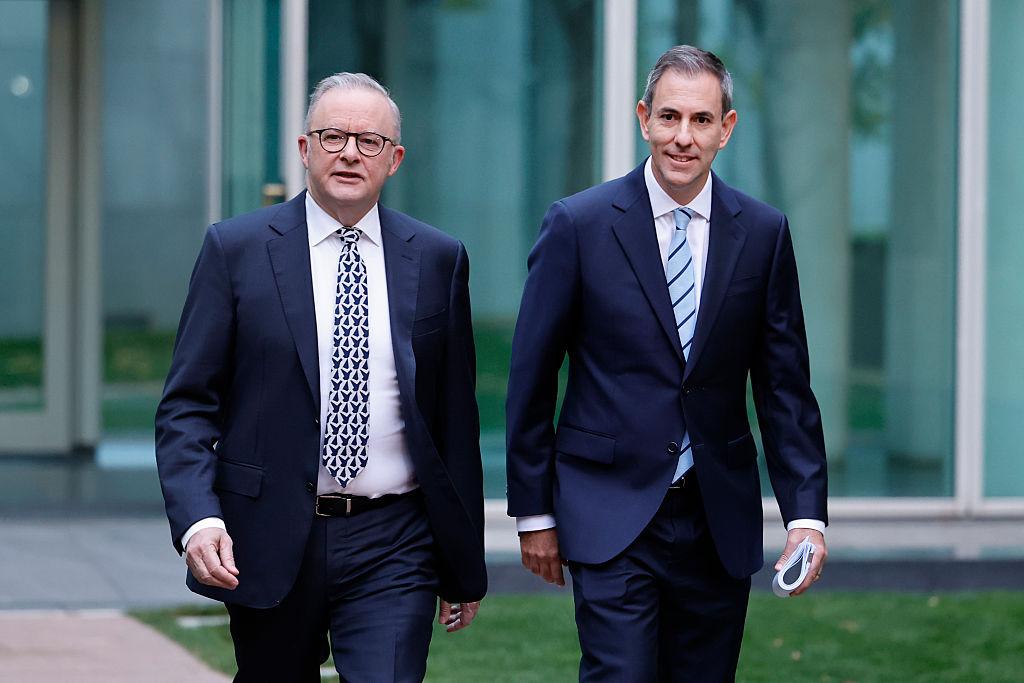
The Labor government has unveiled a new push to make electric vehicles cheaper for Australian consumers by partnering with Korean carmaker Hyundai.
Under a new initiative, the government-owned Clean Energy Finance Corporation (CEFC) will commit up to $60 million (US$42 million) in partnership with Hyundai Capital Australia to provide discounted finance of between 0.5 and 1.0 percent for selected Hyundai and Kia EV models.
According to the government, a person on a $70,000 loan could save more than $1,900 in interest with a 1.0 percent discount over five years.
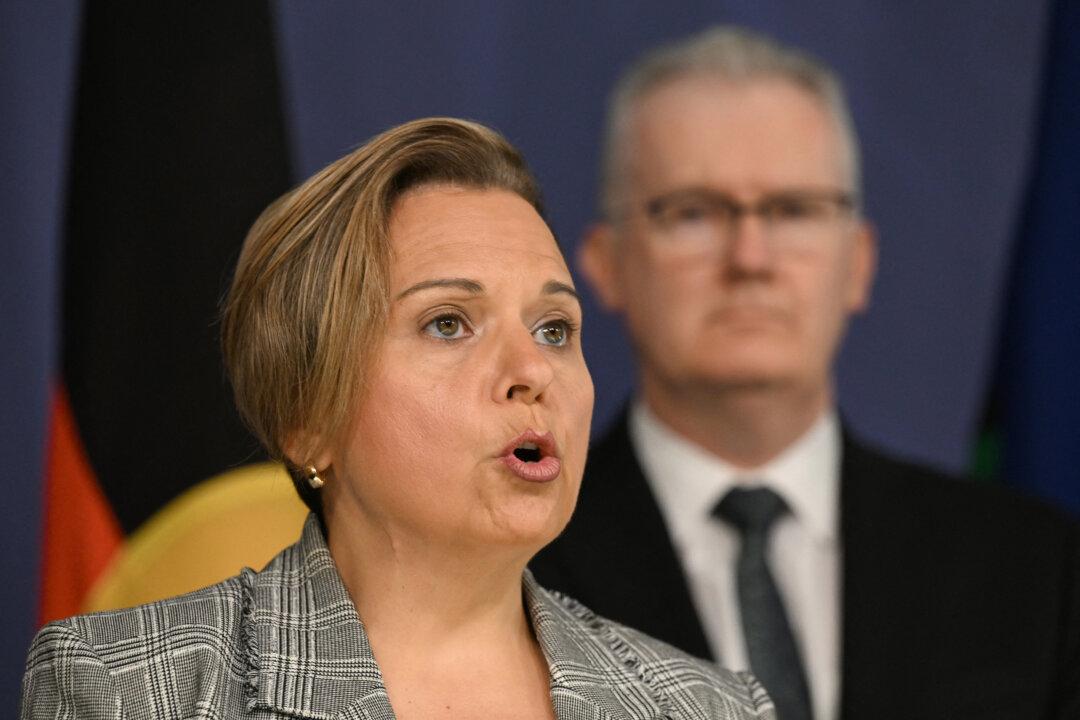
Climate Change and Energy Minister Chris Bowen said the program was designed to tackle one of the biggest barriers to EV ownership: upfront cost.
“This CEFC investment will help lower the cost barrier for households and small businesses, making EV ownership more accessible,” Minister Bowen said.
“Transport is one of our biggest sources of emissions, and electric vehicles are a key way we cut pollution while saving people money.”
EV Sales Accelerate
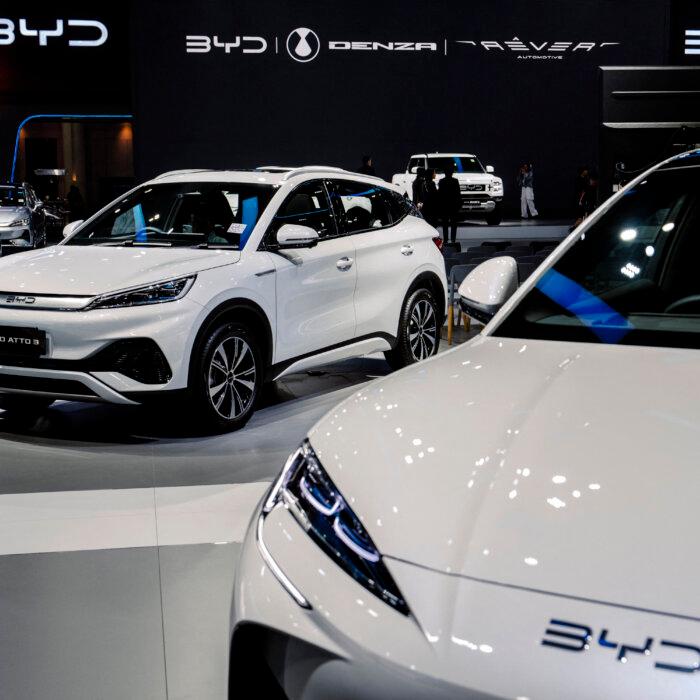
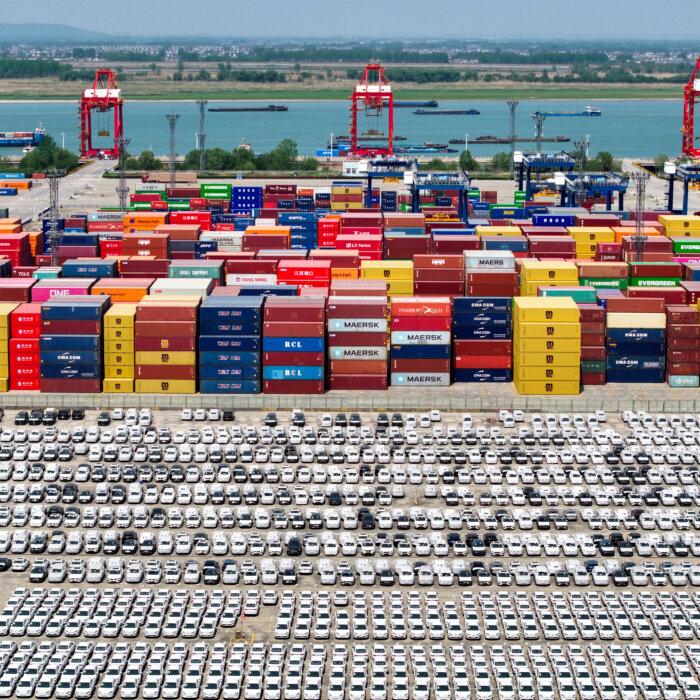
The announcement comes amid record momentum in Australia’s EV market.Electric cars tightened their grip on the market during the last September quarter, even as overall vehicle sales fell by 3.83 percent.
Real-World Testing Reveals Range Gap
As the government continues to provide more incentives for EVs, fresh testing has raised questions about how they perform outside laboratory conditions.The AAA tested vehicles on a 93-kilometre circuit around Geelong, Victoria, designed to reflect everyday driving conditions, and compared the results with manufacturers’ laboratory figures.
Four new EV models fell between 3 and 31 percent short of their claimed ranges.
The Tesla Model Y 2025 came closest to its advertised performance, recording a real-world range of 450 kilometres, just 3 percent below its lab data.
At the other end of the scale, the Chinese-made 2023 MG4 reached just 281 kilometres on a single charge—31 percent less than advertised.
The Kia EV3 2025 achieved 537 kilometres, 11 percent below its laboratory range, while the Smart #1 2024 only reached 367 kilometres, falling 13 percent short.