Electric vehicles (EVs) are travelling significantly shorter distances than advertised, according to new real-world testing by Australia’s peak motoring body.
The Australian Automobile Association (AAA) has been testing the range of new EV models on a 93-km circuit around Geelong, Victoria to compare real-world performance with the laboratory tests used by car manufacturers.
The AAA found four new EVs fell between 3 and 31 percent short of their advertised ranges.
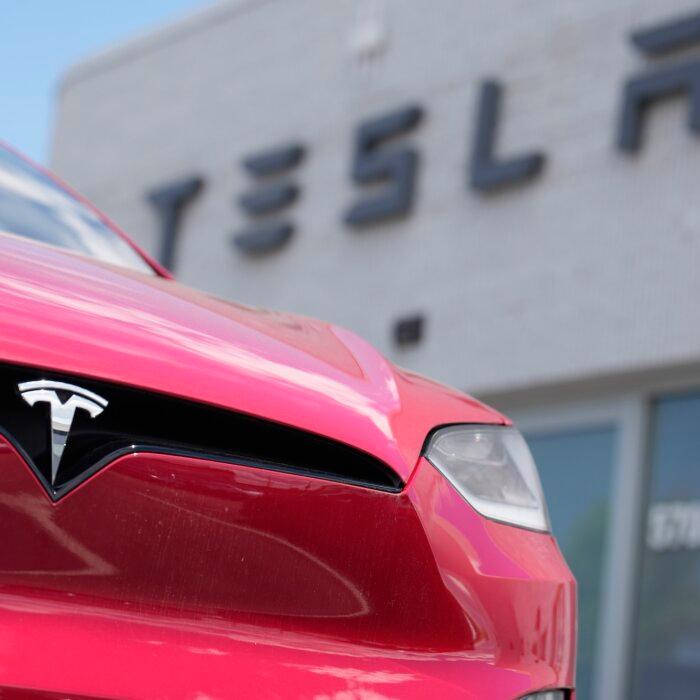
The Tesla Model Y 2025 recorded the result closest to its lab test, with a real-world driving range of 450 km—3 percent below the laboratory figure.
In contrast, the MG4 2023 reached only 281 km on a single charge in real-world conditions, 31 percent lower than advertised.
The Kia EV3 2025 achieved a real-world range of 537 km, 11 percent below its lab result, while the Smart #1 2024 reached 367 km in the real world, 13 percent lower than its lab range.
AAA Managing Director Michael Bradley said the results give consumers an independent indication of how EVs perform on the road.
“This means buyers can see which cars perform as advertised and which do not,” he said.
The test is conducted using strict protocols based on European regulations. This ensures results are repeatable and reduces the influence of human factors, such as driving style and fluctuating traffic conditions.
Earlier Tests Also Found Range Gaps
It’s not the first time the AAA has found discrepancies, with August results showing similar shortfalls across several models.The Tesla Model 3 reached 441 km, 14 percent less than its laboratory figure, while the BYD ATTO 3 recorded a 23 percent drop.
The Tesla Model Y and Kia EV6 both recorded an 8 percent reduction, and the Smart #3 was 5 percent shorter.
The federal government has provided $14 million in funding for the AAA’s testing program, which was established after the 2015 Volkswagen emissions scandal.
Battery Electric Vehicle Sales Increasing
Meanwhile, battery electric vehicle sales increased in November 2025, according to the latest figures from the Federal Chamber of Automotive Industries (FCAI).Battery EVs made up 9.1 percent of sales in November, rising from 6.5 percent in 2024.
So far this year, battery EVs make up 8.2 percent of the market, up from 7.4 percent at the same time in 2024.
FCAI chief executive Tony Weber attributed this increase to a wider range of EV types being available.
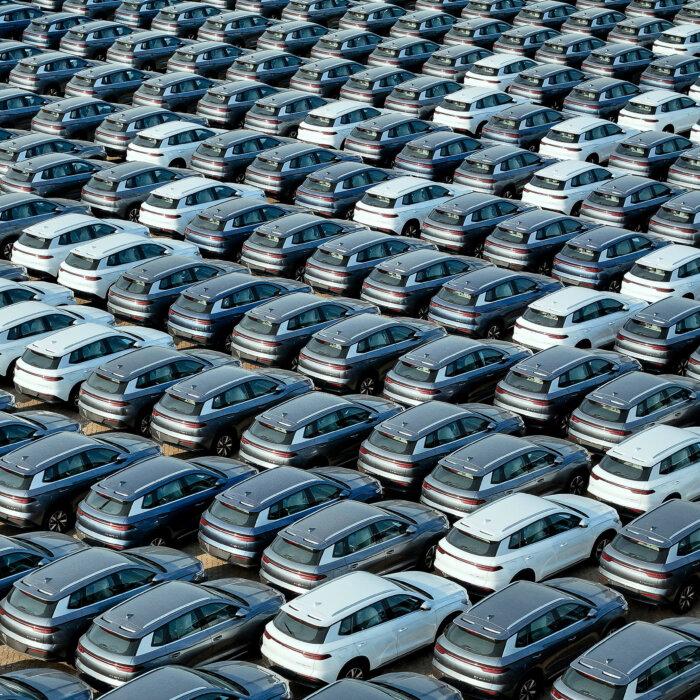
“The choice of BEVs provided by manufacturers is growing, with 110 models in the market in 2025,” he said.
“We encourage governments to continue to invest in recharging infrastructure to support growth in consumer confidence in this new technology.”
Plug-in hybrid electric vehicle sales in Australia have also been growing rapidly, surging 83.3 percent in November to 4,768 vehicles.
In total, Australians bought 97,037 new vehicles in November, with petrol and diesel cars still dominating the market.
However, Federal Chamber of Automotive Industries chief executive Tony Weber said there was a sustained shift in buyer priorities.
In the year so far, plug-in hybrid EV sales have soared a mammoth 131 per cent to 47,565 sold.