After months of suspense and a few leaks to the media, Prime Minister Mark Carney unveiled his plan to revive the economy with what the government dubs “nation-building” projects to be fast-tracked.
As of now, however, there will be nothing on the scale of or as transformative as what older generations witnessed, whether with a cross-country railroad or the St. Lawrence Seaway.
What Carney announced on Sept. 11, when fully approved and operationalized, will likely help boost Canada’s economic prospects, but they are low-risk and also not novel. The projects selected are largely in advanced stages of approval, having also largely cleared indigenous consultations.
The proposed major projects will now be advanced to the Major Projects Office for consideration.
“There’s a few things to be done to shepherd across the line, and it’s the intention ... to move quickly,” Carney said when asked by reporters what role Ottawa will play to move the projects ahead.
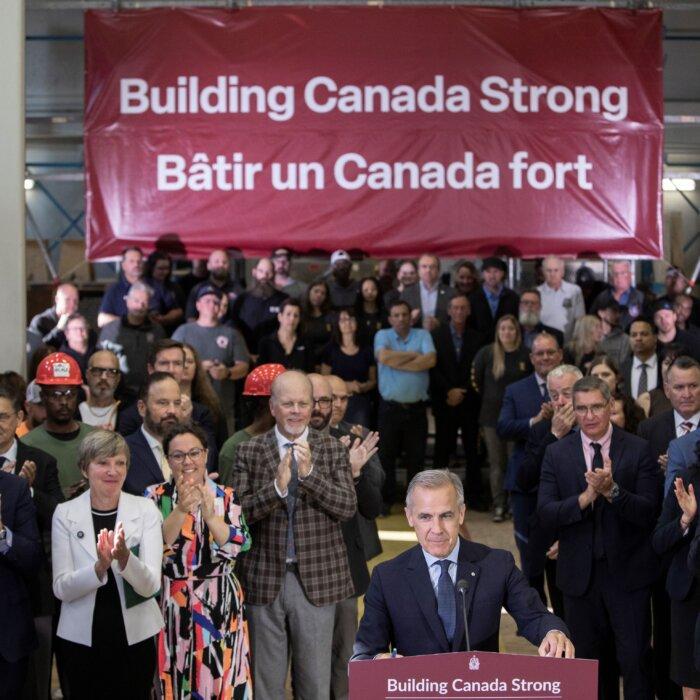
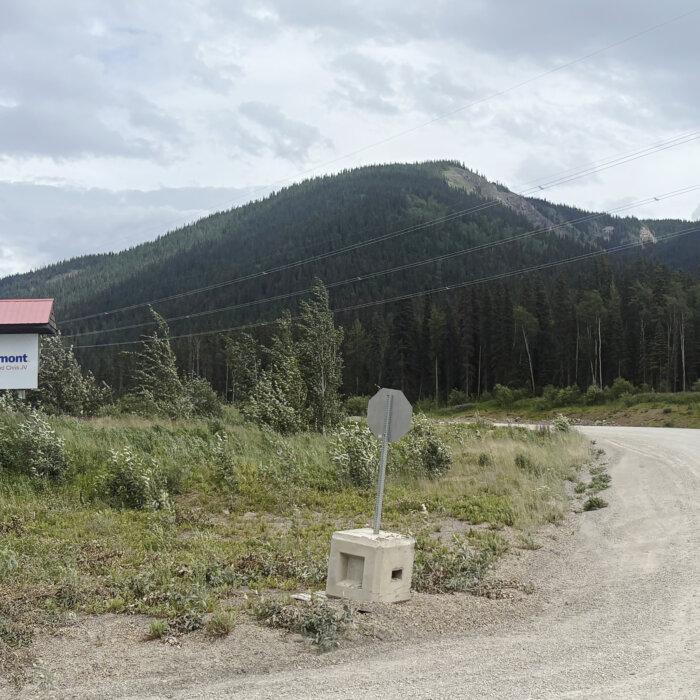
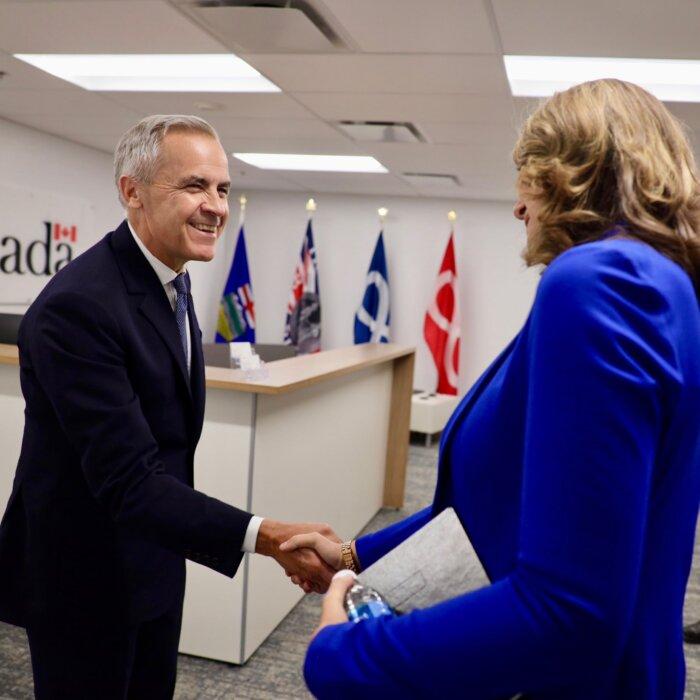
After pledging during the spring election campaign to launch “nation-building” projects in the national interest, in a bid to build the “strongest economy in the G7,” the prime minister unveiled his first tranche of five projects.
This came after the passing of the Building Canada Act in June, which allows Ottawa to bypass some laws to speed up the construction of projects if it deems them to be in the national interest.
A new oil pipeline was not among the projects announced. Talk around this topic had heated up during the election campaign, with Carney sending mixed signals on the issue. Tory Leader Pierre Poilievre argued it would be common sense to connect Alberta’s oil to Eastern Canada, especially when Canada ships most of its oil south of the border at a discount at a time when the United States is imposing new tariffs on Canada. The Liberal government says there should be private-sector interest first for such a project to be considered, while Alberta says it has been the feds’ policies in recent years that have driven away private-sector dollars.
What will be referred immediately to the newly-launched, Calgary-based Major Projects Office does include one hydrocarbon project.
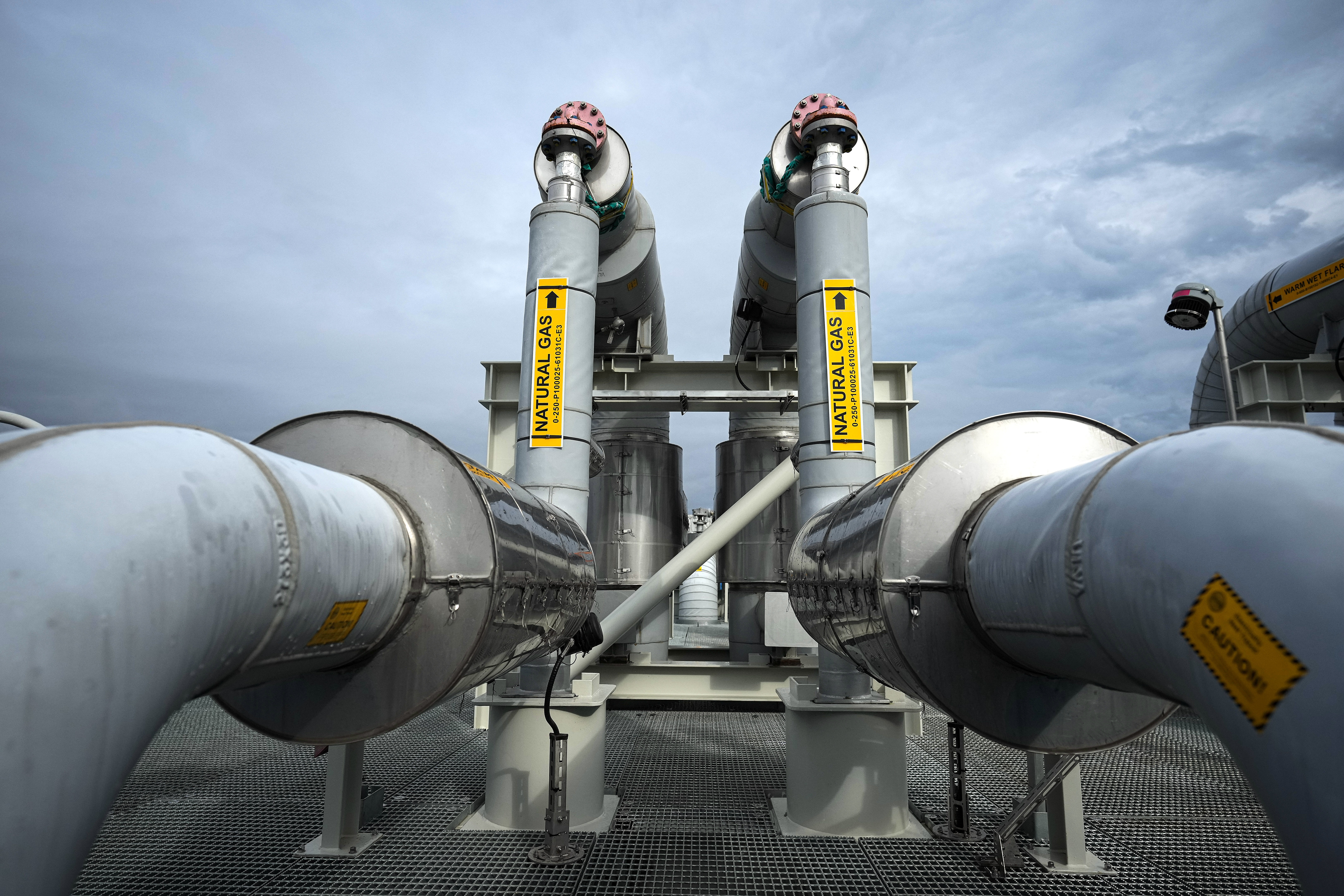
Phase 2 of LNG Canada in Kitimat, B.C., made the list, with Carney noting the expansion of the project would double LNG Canada’s production of liquefied natural gas. LNG Canada Phase 1 became operational a few weeks ago and sent out Canada’s first shipments of LNG.
Carney said that for the selected projects, there is “some aspect of the financing or support packages for the projects that remain to be determined.”
“We expect, with the vast majority of these projects, that federal dollars will catalyze many multiples of private dollars,” Carney added.
In the case of LNG Canada Phase 2, Carney put the total capital cost at $32 billion and said Ottawa will decide on federal incentives, which he noted would be a “modest” amount relative to the overall cost.
The other energy project picked by the Carney government is similarly in advanced approval stages.
In each of these newly identified projects, the more controversial aspects of the Building Canada Act will not be put to use, such as bypassing the Impact Assessment Act to the benefit of a speedier joint provincial-federal assessment, or “one review.”
There is also no expected issues with indigenous peoples given the already completed consultations, save for the case of the Red Chris mine.
In that sense, the first major projects picked by Carney represent a low-risk approach, perhaps to serve as easy proof-of concept models for the first exercise of the Building Canada Act, and to attract private-sector interest. But in the same vein, they could come across as under-delivering in transformative potential after making the pledge to bring Canada’s economy to another level.
It will be interesting to see whether the Liberal government will take a bolder approach in the coming months by actively pushing forward projects such as the Arctic Economic and Security Corridor, something the Prime Minister’s Office says could be “truly transformative” for Canada. It would entail building an all-weather, land and port-to-port-to-port infrastructure that can be used for trade and also national defence, while also connecting isolated communities to the rest of the country.