Prime Minister Mark Carney announced he will travel to Washington, D.C., on Oct. 7, to meet with U.S. President Donald Trump for a “working visit.”
A release from the Prime Minister’s Office said the visit will be focused on “shared priorities in a new economic and security relationship between Canada and the U.S.” Both Canada and the United States recently launched consultations in preparation for the United States-Mexico-Canada Agreement’s (USMCA) renewal in 2026.
This will be Carney’s second visit to Washington, as he travelled to the White House to meet with Trump on May 6. Following that meeting, Carney told reporters that their “very constructive” and “wide-ranging” discussions would continue, but did not say when he believed Ottawa could get the United States to remove tariffs.
Throughout 2025, the United States has placed a wide range of tariffs on Canada, including 50 percent levies on steel, aluminum, and copper, 25 percent tariffs on vehicles and auto parts, and 10 percent tariffs on oil and potash. It has also imposed 25 percent tariffs on Canadian exports not covered under the USMCA, which was increased to 35 percent in August.
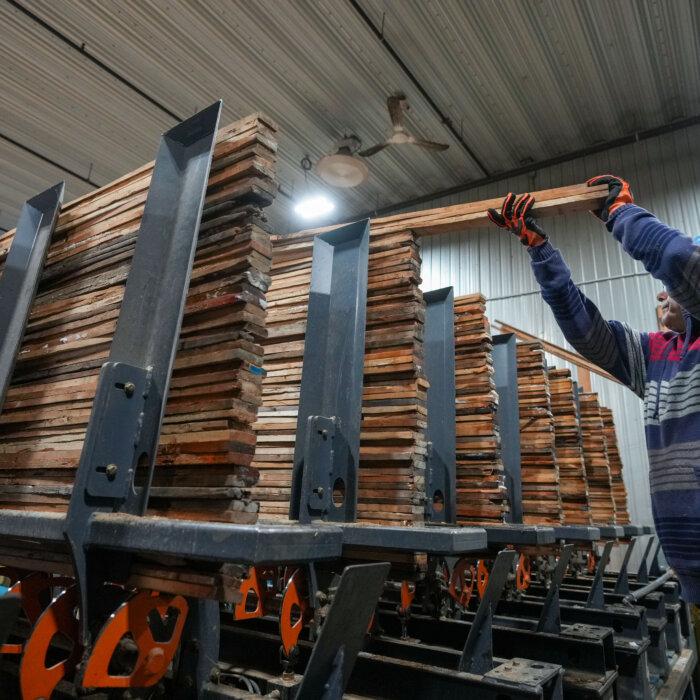
The United States will also be placing universal 25 percent tariffs on kitchen cabinets, bathroom vanities, and associated products, 10 percent tariffs on timber, as well as 100 percent tariffs on branded and patented pharmaceuticals. Trump has also said he will be imposing tariffs on foreign movies and semiconductors.
Carney and Trump had initially set a deadline for July 21 to make a trade deal that could have reduced tariffs. This was later pushed back to Aug. 1, but the deadline past without reaching an agreement. Other countries like the United Kingdom and Japan made deals before that deadline, which also include tariffs on goods entering the United States.
Carney has argued that Canada has one of the best trade deals with the United States because around 85 percent of exports to the country are tariff-free due to exemptions under the USMCA. Ottawa has pledged to provide relief for industries impacted by tariffs.
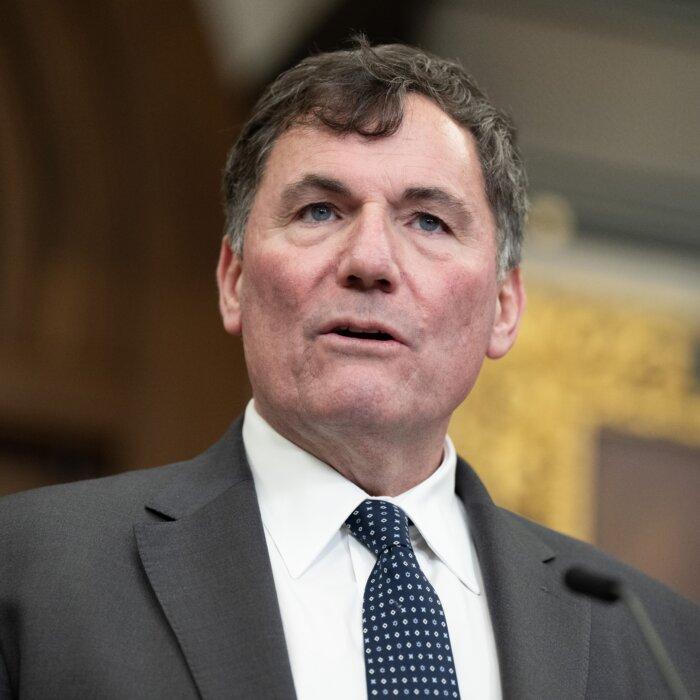
Canada-U.S. Trade Minister Dominic LeBlanc said on Oct. 2 that he remains hopeful that the two countries can reach a deal before the USMCA review in 2026, but said he would not provide a timeline for when a deal could be finalized. LeBlanc told MPs on the international trade committee that “time will tell us if my optimism is misplaced.”
LeBlanc also told the committee that Canada’s supply management system—which coordinates production and demand relating to dairy, chicken, eggs, and turkey products and involves high tariffs—will not be included in negotiations with the United States. Trump has repeatedly criticized Canada’s supply management tariffs.
Conservative Leader Pierre Poilievre has been critical of the Liberal government for failing to make a deal with Trump before the deadline. “Since Mr. Carney took office promising to be a brilliant negotiator, American tariffs on Canada have more than doubled,” Poilievre said on Oct. 2.