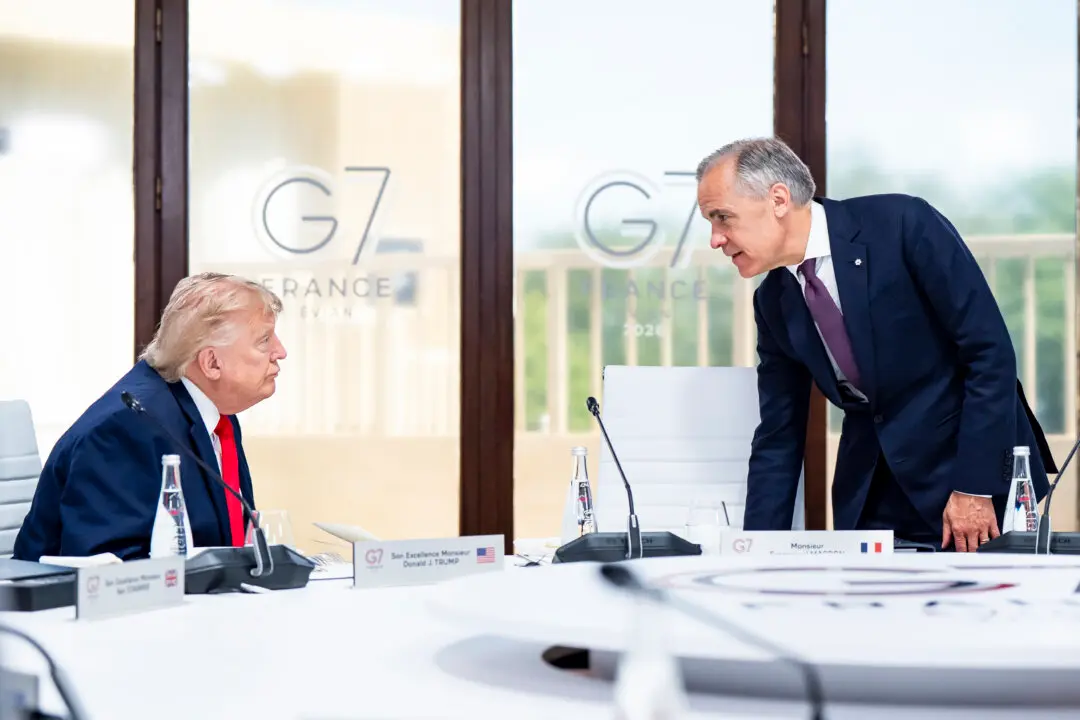
Prime Minister Mark Carney says he discussed his Chinese electric vehicle deal with U.S. President Donald Trump at the G7 summit in France.
The discussion took place as Chinese electric vehicles are entering the Canadian market and as Ottawa is courting China to establish production lines in Canada.
“I was explaining the actual structure of the deal… He likes the structure. Actually, we had a follow-up conversation about it as well,” Carney said.
The prime minister’s comments come after a hot mic captured him appearing to tell Trump at a working luncheon during the June 16 G7 Summit that Canada would “cap” Chinese EV imports at 49,000, which he said represents “less than 3 percent of the market.”
The Epoch Times contacted the White House for comment but didn’t hear back before publication time.
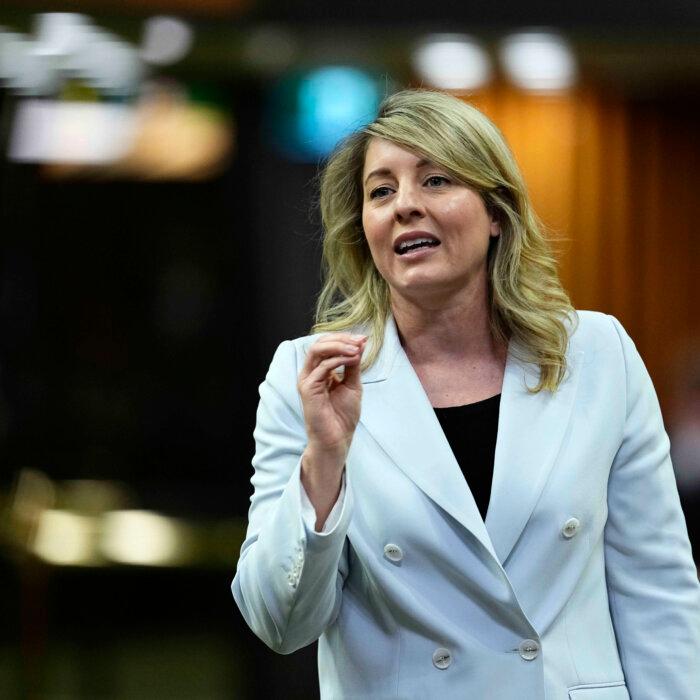
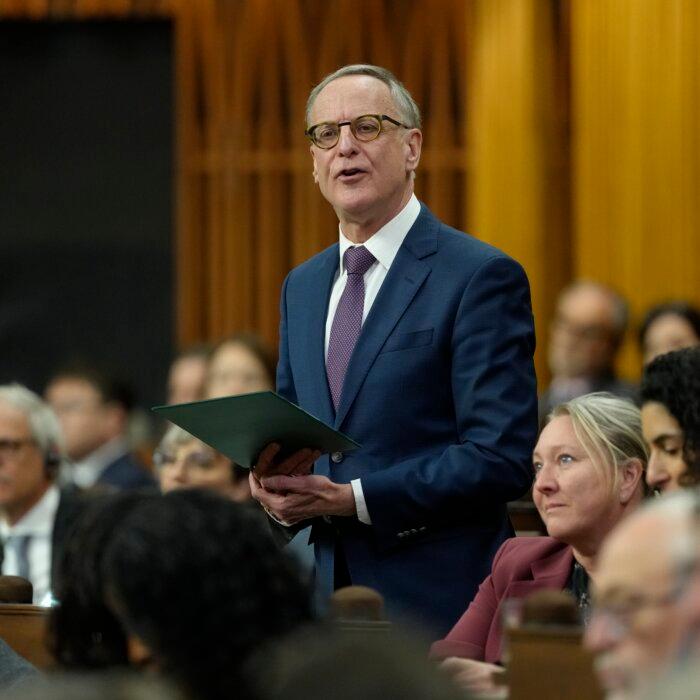
Carney’s government struck a deal with Beijing in January to allow 49,000 Chinese EVs into Canada at a reduced tariff rate of 6.1 percent from the previous rate of 100 percent.
Carney told reporters on June 17 that the deal with China aims to encourage commercial Chinese investment in Canada, noting that Ottawa is only interested in Chinese EV investment that involves Canadian production.
“We’re not interested in kits being put together in Canada,” he said. “We’re interested if there are joint venture partnerships, Canadian control, substantial value add, Canadian labour standards, substantial jobs, etc.”
Joly’s office said she met Chinese automakers BYD and Shanghai Launch on June 16, and is set to meet Geely Auto and Chery Auto on June 17.
Forced Labour Issues
When testifying before a House of Commons committee on June 16, Foreign Affairs Minister Anita Anand was asked about the Chinese EV deal and the government’s new bill to counter forced labour.“I cannot confirm what goods will be on the list,” Anand responded, noting that the government will speak to stakeholders and other groups to hear their perspectives. She said the list will be prepared when Parliament returns in the fall, and it will be discussed with the foreign affairs committee.
“If we can see that [Chinese] EVs require forced labour in their supply chain, will you put those EVs on the list of products that are banned in Canada?” Brunelle-Duceppe asked again.
Anand responded that any products involving the use of forced labour are “already prohibited under Canadian law,” and Bill C-35 provides “additional tools” to the Canada Border Services Agency (CBSA) to ensure they do not enter the country.
Canada is obliged under the Canada-United States-Mexico Agreement on free trade to not import products made in whole or in part by forced labour.
Anyone importing goods on the list would need to prove to the CBSA, at the request of a customs officer, that the products are not produced with forced labour. Otherwise, the goods would be prohibited from entering the Canadian market.