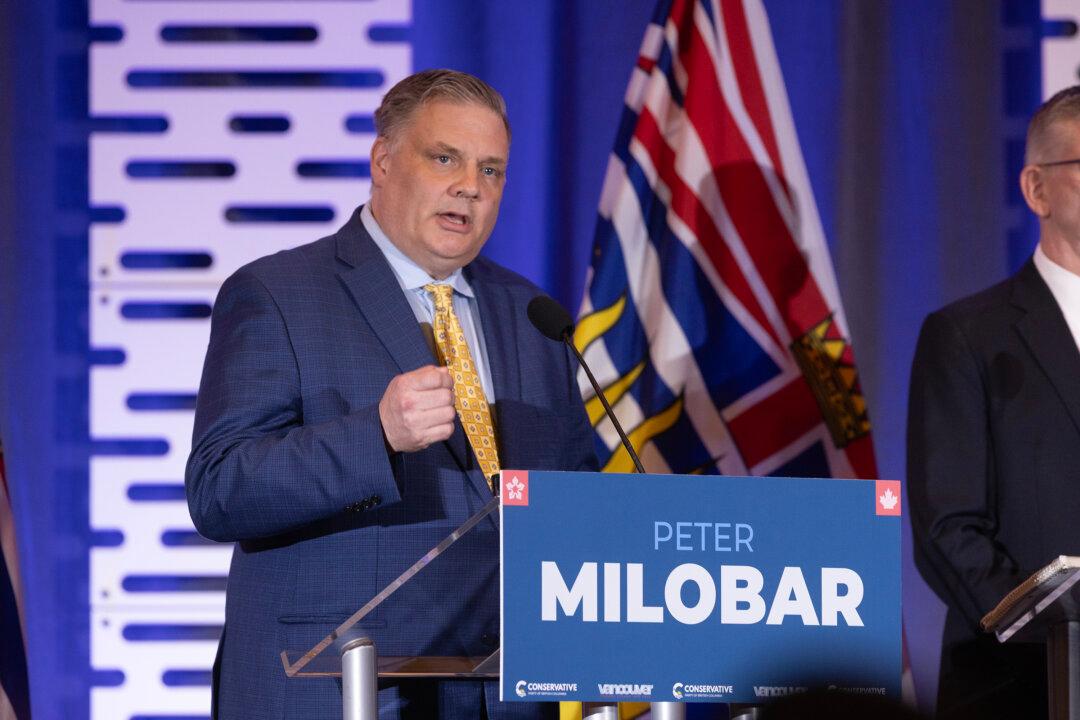
Prime Minister Mark Carney announced a new national food strategy that he says will help lower food prices, boost domestic food production, and reduce Canada’s dependence on imports.
The plan involves up to $3.2 billion in funding overall, according to Carney, including a $1 billion Food Link Fund to support new food infrastructure over the next decade, such as expanding existing terminals, starting construction on two new food terminals by the end of 2028, and setting up 40 commercial food hubs across Canada.
“A country that can’t feed itself or fuel itself or defend itself isn’t truly sovereign. It’s vulnerable to global shocks, it’s vulnerable to supply chain disruptions, it’s vulnerable to tariffs,” he added.
The prime minister said the new food security strategy has four main goals: increasing grocery competition, processing more food in Canada, growing more fruits and vegetables year-round, and lowering costs by lessening regulatory barriers.
‘Agricultural Superpower’
Carney said the strategy also includes $750 million in funding over seven years to increase production of Canadian fruits and vegetables, helping to fund construction of regional food distribution hubs meant to help farmers store, process, and sell their products more efficiently.
Carney said Ottawa plans to increase the number of independent grocers buying from food terminals and hubs by 15 percent within the next four years as well as boost local food sales from small and medium-sized producers by 25 percent over the same period.
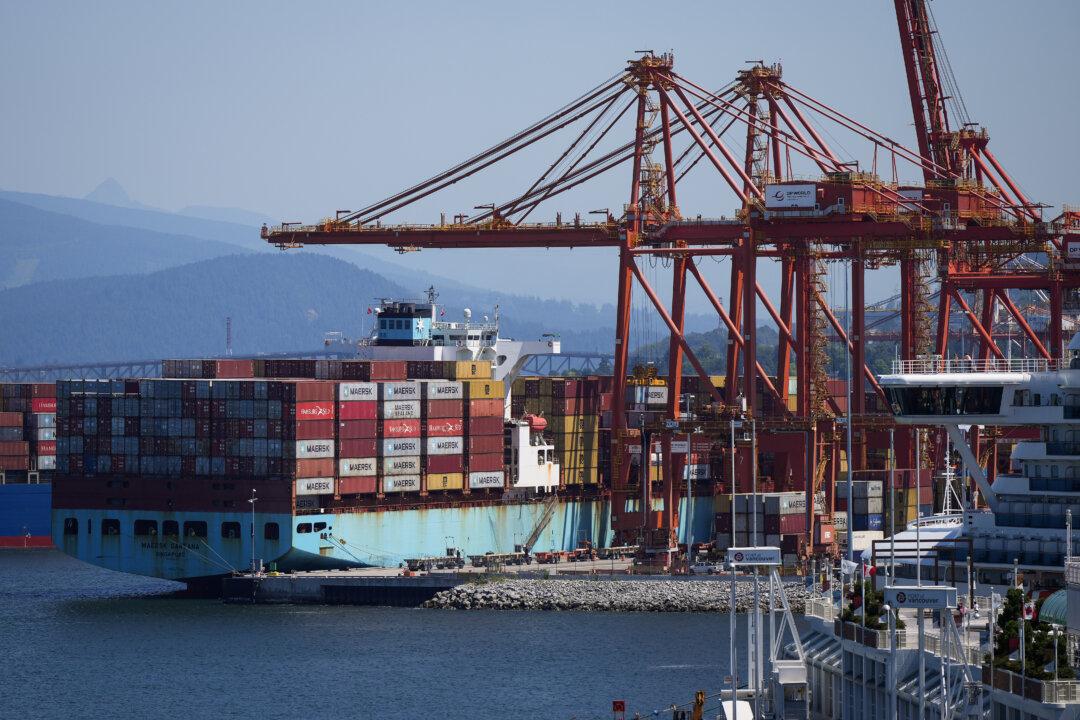
He said that Canada currently imports “nearly 90 percent of our fresh fruit” and more than 70 percent of its vegetables, exposing the nation to price shocks from supply chain disruptions, droughts, conflicts, and tariffs.
Boosting Production Capacity
Carney noted that $650 million will go to technologies that aim to cut labour, energy, and operating costs in controlled-environment agriculture. Another $100 million will be put toward boosting local food production in rural communities and in northern Canada.Controlled-environment agriculture includes vertical farms, greenhouses, and other growing systems, including the use of artificial lighting, temperature, and humidity controls, and hydroponic or aeroponic cultivation to maximize crop production.
The new strategy also aims to boost food processing capacity closer to where crops are grown, with Carney outlining investments through new and existing industrial programs that he says will support food processing plants, innovation, and bringing new products to market.
“For decades we’ve been paying other countries to convert what we already have into what we need,” Carney said, arguing that more food processing should take place in Canada.
‘Struggling to Put Food on the Table’
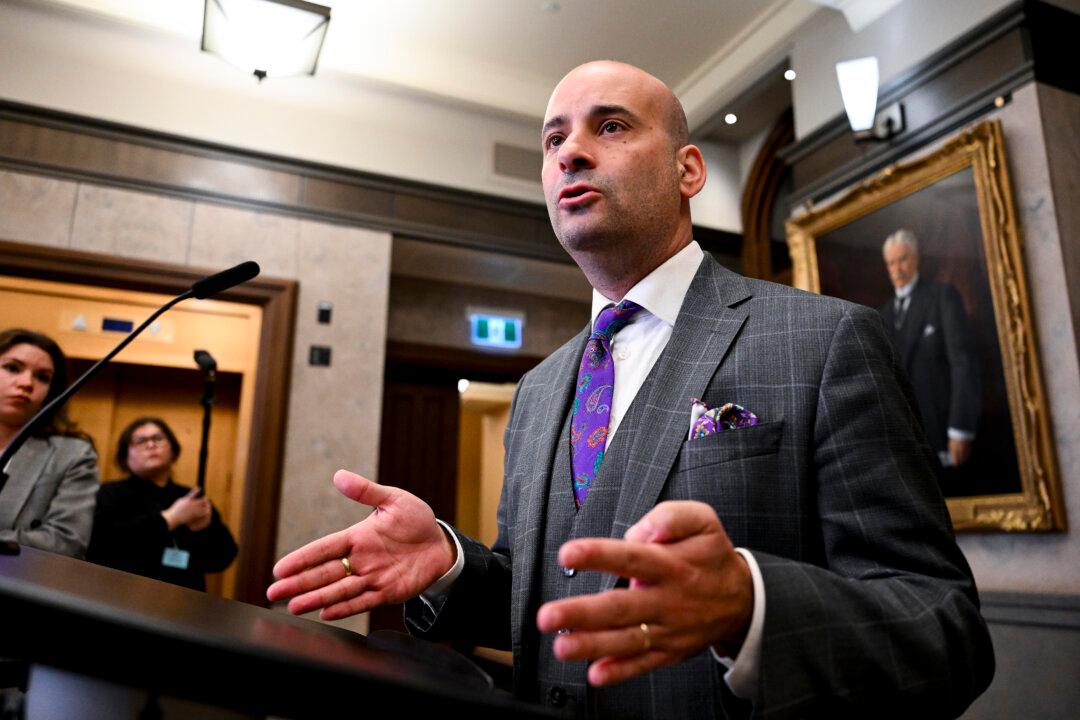
Conservative Leader Pierre Poilievre criticized Carney for Canada’s rising food prices, saying the government’s high spending, deficits, and industrial carbon tax have hiked prices throughout the food supply chain.“Canadians deserve a prime minister who will make life affordable, so that Canadians can fill their grocery carts, fill their fridges, fill their stomachs, without emptying their bank accounts,” Poilievre told reporters on June 10.
Competition
In addition to the Food Link Fund and boosting production of Canadian fruits and vegetables, Carney said Ottawa also plans to help the Competition Bureau and Competition Tribunal crack down on anti-competitive practices in the food industry.The prime minister noted that five large supermarket chains make up roughly three-quarters of food retail sales in Canada.
He added that Ottawa plans to introduce legislation before the end of the month to change federal privacy laws to offer more protection of consumer data in order to crack down on “surveillance pricing” and ensure that “companies can no longer use it to charge you higher prices.”
Regulation
The new plan says the Canadian Food Inspection Agency (CFIA) will take measures to improve interprovincial trade for food businesses and put forward a temporary exemption to let small-scale livestock producers use slaughterhouses in other provinces when there isn’t enough capacity in their own province.The slaughter measures will help lessen transport costs and boost food security in rural and remote areas of the country, according to officials.
The plan also calls for the CFIA to speed up reviews for products needed by farmers, including fertilizers, animal feed, veterinary products, and seeds, with a goal to cut approval times by about one-third.