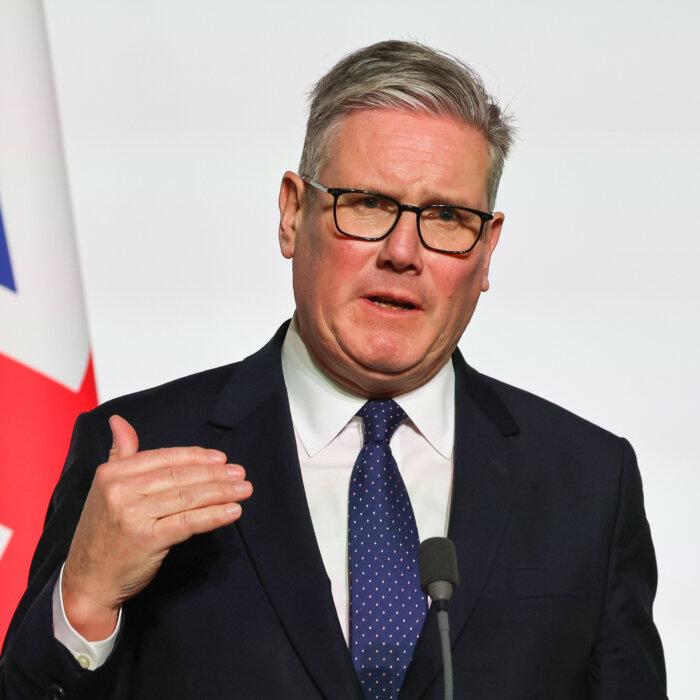
British Health Secretary Wes Streeting resigned from the government on May 14, saying that he had lost confidence in British Prime Minister Keir Starmer.
In his resignation letter published on X, Streeting said Starmer had created a “vacuum” where the country needed a “vision” and urged him to listen to his fellow lawmakers.
“Leaders take responsibility, but too often that has meant other people falling on their swords,” Streeting wrote. “You also need to listen to your colleagues, including backbenchers, and the heavy-handed approach to dissenting voices diminishes our politics.”
He said it is now “clear that [Starmer] will not lead the Labour Party into the next general election.”
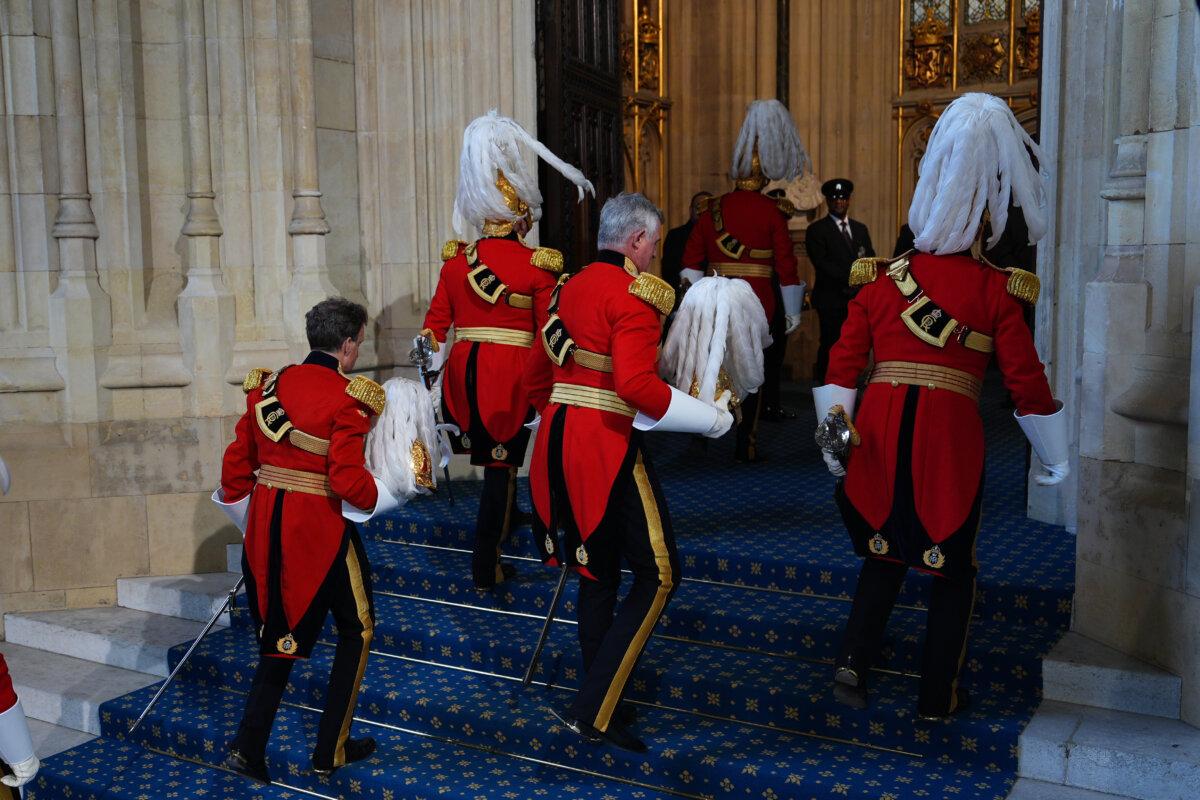
The traditional pomp and pageantry associated with the State Opening of Parliament was overshadowed on May 13 by the growing political intrigue around Streeting.
Although more than 100 members of Parliament signed a letter saying that it was “no time for a leadership contest,” about 90 others said Starmer should stand down or at least set out a timetable for his departure.
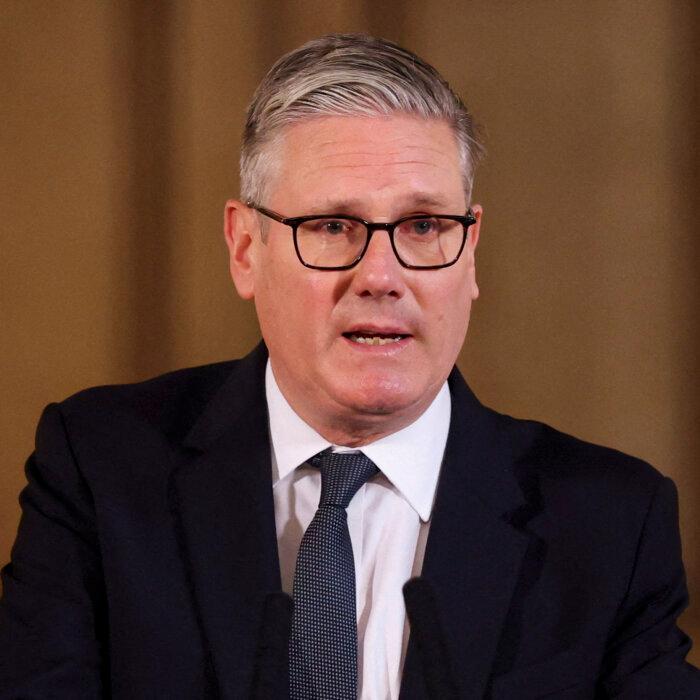
That is not enough to trigger a leadership contest, as no candidate has issued a challenge to the prime minister. Under Labour Party rules, one-fifth of its lawmakers in the House of Commons, or 81 members, must publicly give their backing to a single candidate for a leadership election to take place.
Streeting said in his letter that there should now be a leadership contest.
‘Months of Peacocking’
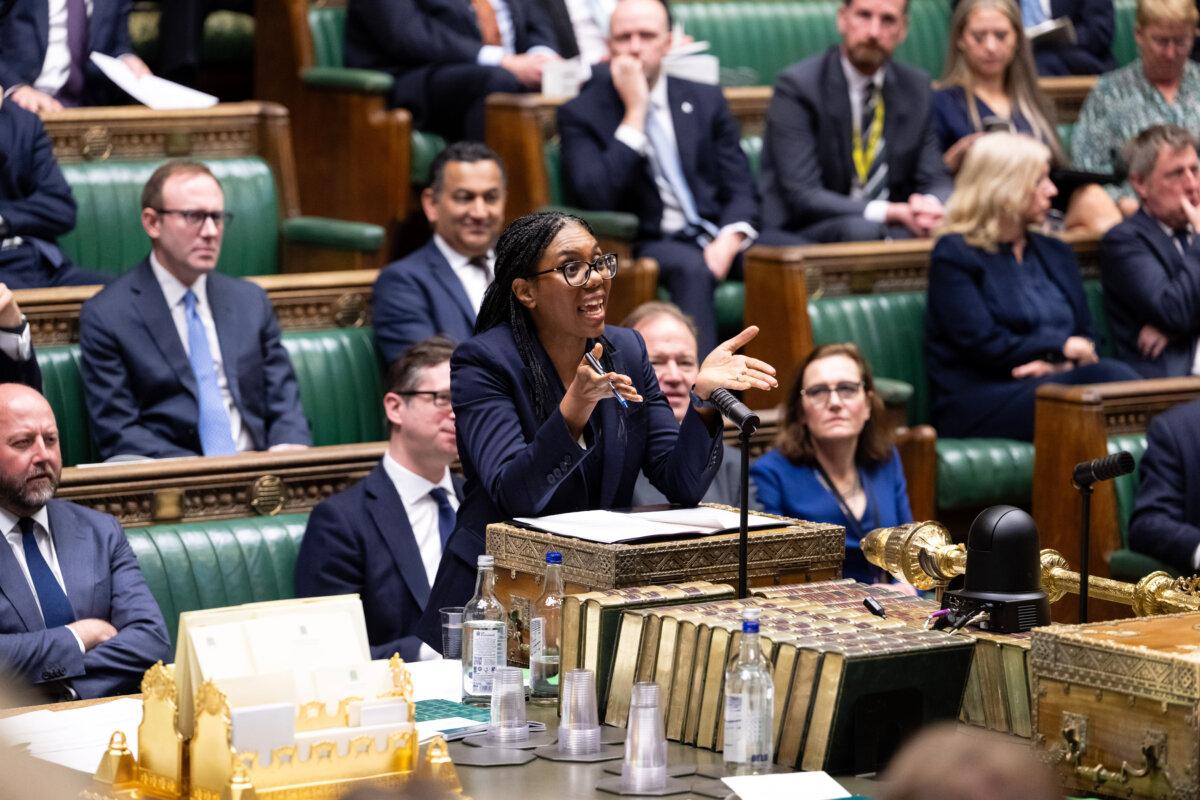
Kemi Badenoch, leader of the main opposition Conservative Party, told lawmakers that Starmer must resign.“It is absolutely preposterous that the government are here laying out a program as their ministers are resigning and a large proportion of the Labour Party is saying that the prime minister needs to go,” she said, as they began a debate over the government’s agenda for the coming year in Parliament.
Badenoch said she felt “sorry for the poor Labour [members of Parliament] who will now be subjected to months of peacocking by leadership candidates while the country is not being governed.”
The next general election must be held by August 2029, according to the Institute for Government, although a snap general election can be called at any time by the prime minister.
Lawmakers can also trigger a general election if they pass a vote of no confidence in the prime minister, although with a large Labour majority in the House of Commons, this is considered unlikely to happen.
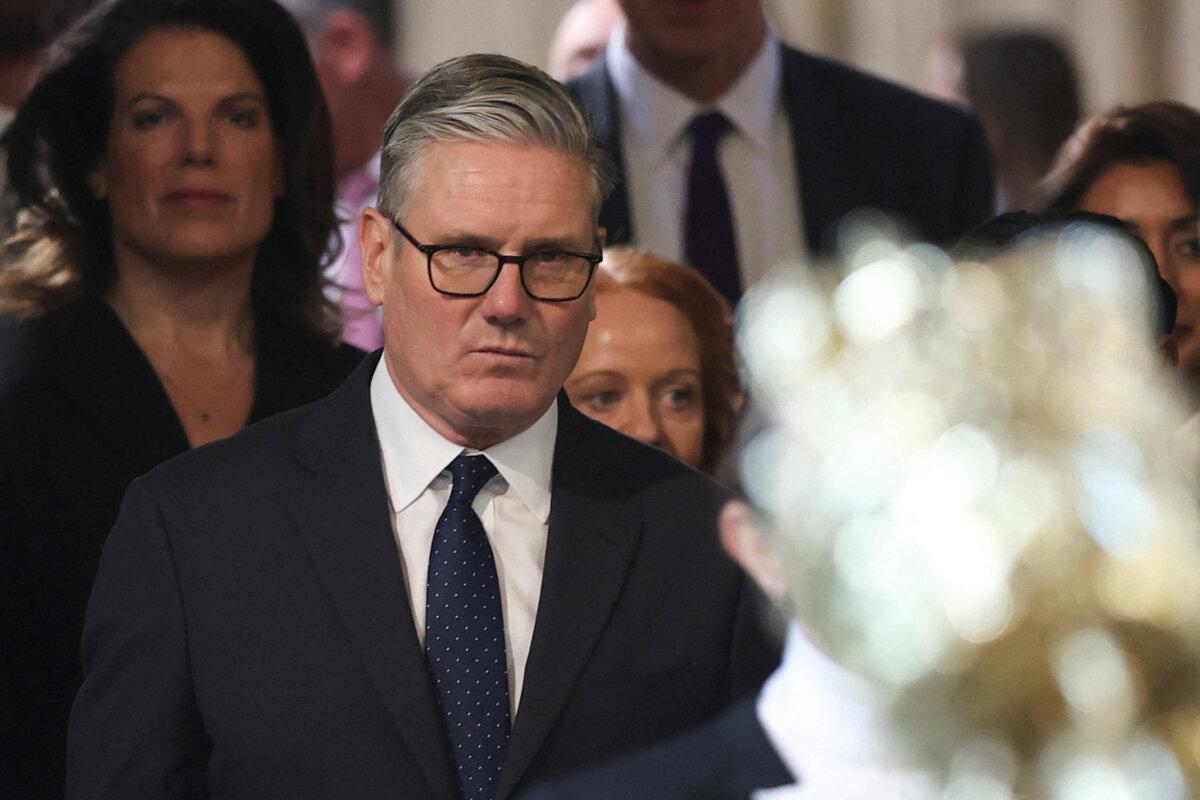
Starmer, 63, entered politics in 2015, having previously been the UK’s most senior prosecution lawyer, as head of the Crown Prosecution Service.
His administration has been criticized over a series of policy U-turns, as well as a cost-of-living crisis, a stagnant economy, and continued high rates of both legal and illegal immigration.
Starmer has made it clear that he has no imminent plans to stand down and will fight any leadership challenge. He is publicly backed by the majority of his Cabinet, including top ministers.
‘Significant Moment’
The prime minister told lawmakers on May 13 to lay out forthcoming legislation and said he welcomed “the radical agenda of this Labour Government that will tear down the status quo that has failed working people and build a stronger, fairer Britain.”He jokingly thanked Badenoch for her “warm” contribution, saying, “In difficult days, her input is always a ray of sunshine.”
On the morning of May 14, the Guardian newspaper revealed that Starmer’s former deputy prime minister, Angela Rayner, had been cleared by authorities of deliberate wrongdoing following an investigation into her tax affairs that forced her out of government.
The investigation by the tax office had been an impediment to her challenging Starmer.
“I’ve said to [Starmer] this is a really significant moment for our party and the country,” she told the Guardian.
“The pace of change hasn’t been enough for voters to see, and also mistakes have really blown us off course and made voters doubt us.”
She also said that Starmer should “reflect on” whether to resign.
Rayner, considered further to the left than Starmer, hinted that she could enter a leadership challenge.
“I’ll play my part in doing everything we possibly can to deliver the change, because it’s not a personal ambition, I know the difference it makes,” she said.
Labour Party Membership Polling Favors Rayner
If Starmer is forced out, the new leader would be the UK’s seventh prime minister in the past decade, since the Brexit vote to leave the European Union in 2016. A general election is not required if the ruling party changes leader.A Survation poll of party members for LabourList showed that Starmer would win a head-to-head contest against Streeting but would lose in a direct contest against Rayner, Burnham, or former Labour leader and Energy Secretary Ed Miliband, who led the party to an election defeat by the Conservatives in 2015.
The candidates favored by the party membership are all regarded as being to the left of Starmer. Polling found that 57 percent of party members believe that there should be a change of leader.