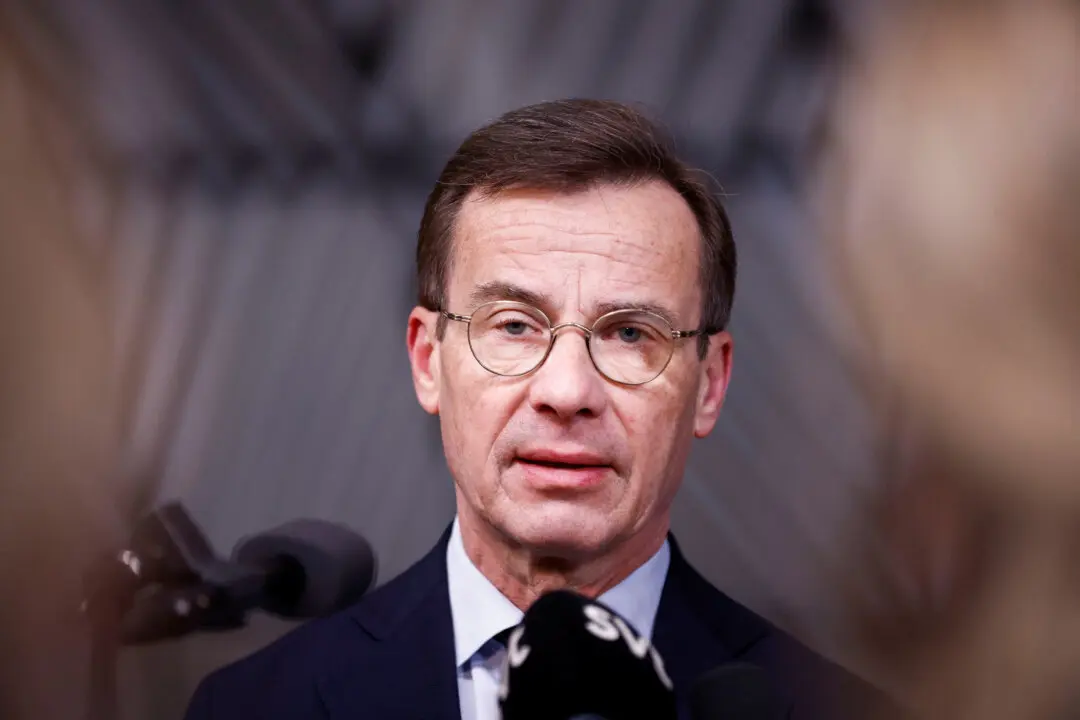
According to the statement from the prosecutor general’s office, Eduardo Bolsonaro, who is a sitting member of Brazil’s Chamber of Deputies, “repeatedly sought to subordinate the interests of Brazil and the entire society to his own personal and family agenda.”
Prosecutors also charged Brazilian journalist and commentator Paulo Figueiredo, grandson of former Brazilian President João Figueiredo, with the same crime.
Both Eduardo Bolsonaro and Paulo Figueiredo live in the United States, with the former moving there earlier this year to seek support from U.S. President Donald Trump—a longtime ally of the now-incarcerated former Brazilian leader—to stop criminal proceedings against his father.
Eduardo Bolsonaro has also claimed credit for pushing the White House to impose 50 percent tariffs on most Brazilian goods.
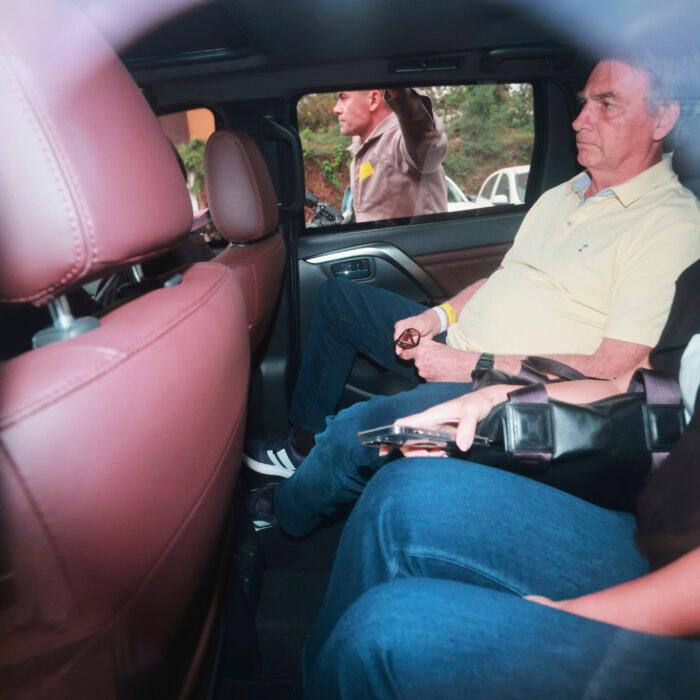
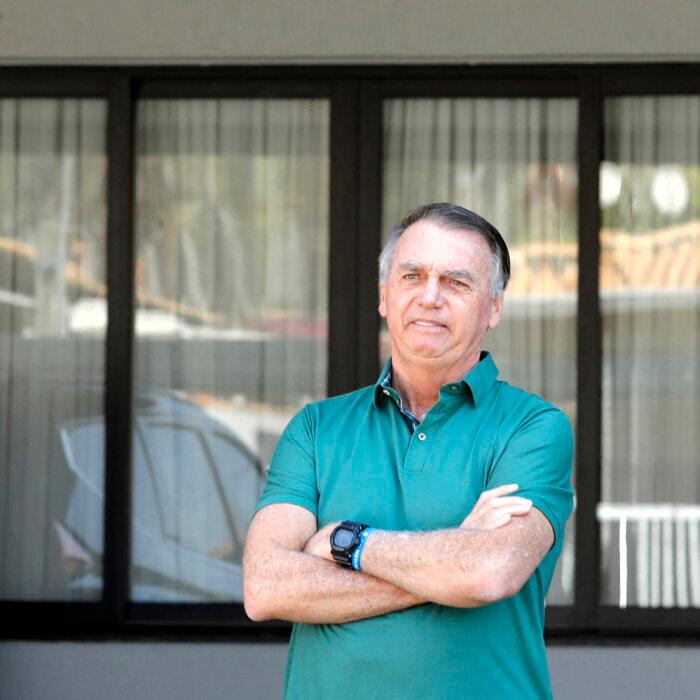
The U.S. State Department stated on Sept. 22 that its Office of Foreign Assets Control was sanctioning Viviane Barci de Moraes and the couple’s holding company, the Lex Institute, for enabling Alexandre de Moraes to use his justice position to “weaponize courts, authorize arbitrary pre-trial detentions, and suppress freedom of expression.”
The five-justice court finalized the conviction on the same day, finding him guilty on five counts: attempted coup, participation in an armed criminal organization, attempted violent abolition of the democratic rule of law, violence-related damage, and serious threats against state assets and protected heritage.
The panel then quickly moved to the sentencing phase, sentencing the former Brazilian president to 27 years and three months in prison. This makes Bolsonaro the first former Brazilian president to be convicted of attempting a coup.
The conviction stems from the aftermath of the 2022 Brazilian presidential election, during which Bolsonaro’s supporters allegedly attacked government buildings.
Bolsonaro has denied any involvement and claims that he is the target of political persecution under the administration of his former rival, Brazilian President Luiz Inácio Lula da Silva, commonly known as Lula.
At the time, Trump said he was unhappy with the conviction and said it was “very bad for Brazil.”